
Let's talk about the awkward part first
Starting something new with a partner means starting intimacy new too. You don't know their body yet. They don't know yours. There's no shared history, no rhythm you've fallen into together, no silent language. What worked with your last partner might not work here. What you've always needed might feel different now. And introducing a lemon vibrator into this situation can feel loaded with pressure, misunderstanding, or shame that honestly doesn't belong there.
Here's what I tell couples in my practice: a lemon clitoral vibrator isn't a workaround for bad chemistry or a confession of broken desire. It's a communication tool. It says something out loud that's hard to say with words alone.
Why lemon vibrators lower the barrier to conversation
Let me back up. Most people avoid talking about what feels good because vulnerability is terrifying, especially early on. You worry that saying "slower" or "I need more time" or "that doesn't work for me" will feel like rejection. Your partner worries that asking feels pushy or suggests you're not satisfied. Both of you get stuck.
A lemon vibrator changes the dynamic because it's not about them anymore. It's not "your touch isn't enough." It's "my body responds to suction differently than friction, and here's a tool that helps us both understand what I need." Suddenly you're a team troubleshooting pleasure together instead of two people trying to read each other's minds in the dark.
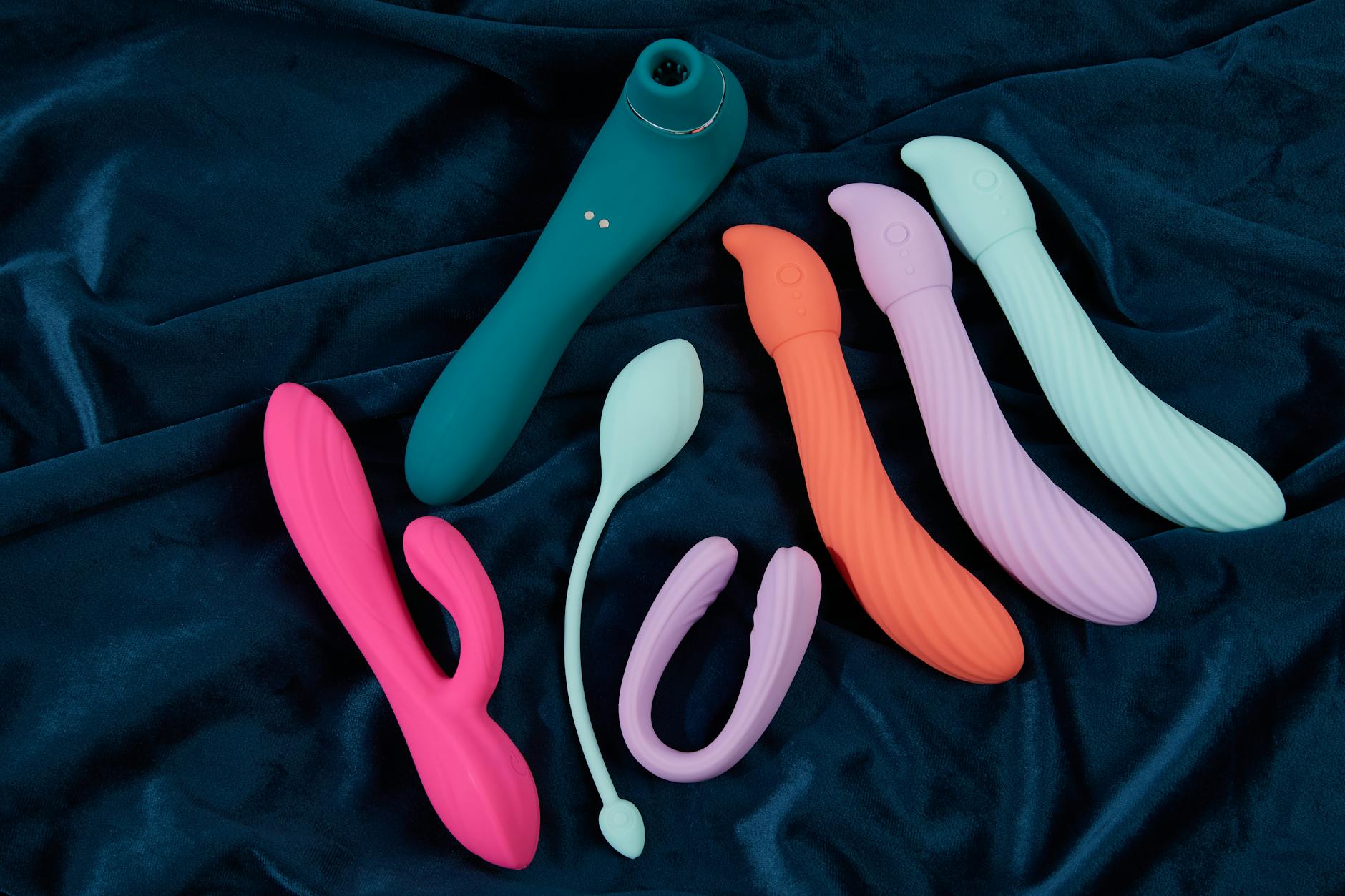
Photo by IFONNX Toys on Pexels
Starting the conversation before you need it
Don't wait until you're already intimate to bring this up. That's when vulnerability gets twisted into performance pressure. Instead, have this chat when you're clothed, caffeinated, and outside the bedroom. Here's roughly what this sounds like:
"I've been thinking about trying something that could help us explore pleasure together. I use a lemon vibrator sometimes, and I'd like to show you how it works and see if we want to use it together. The thing is, there's no pressure on either of us. This is about learning what feels good, not about fixing anything."
Notice what that does. You're not asking permission. You're not apologizing for your body. You're naming something you want and inviting them to be curious about it. That's the energy that actually works.
Your partner might say yes immediately. They might need time to think. They might have questions like "Will I feel left out?" or "Does this mean you prefer that to me?" These are completely fair questions, and the answer is: no. A lemon vibrator does one specific thing. It stimulates through suction, not vibration. It reaches nerves in a way hands and friction can't replicate. That's not a replacement for your partner. It's an expansion of what's possible together.
The first time: setup matters more than you'd think
Once you're both interested, don't just jump in. Create an environment where you both feel safe to be awkward, laugh, and pause if something doesn't work.
Start with the basics. Show your partner how the lemon vibrator works by itself first. Let them hold it, try the different intensity levels (usually 1-3 for beginners), listen to the sound. Demystifying the tool removes so much anxiety.
Talk about touch. Does your partner want to hold the vibrator while you guide it? Do you want to guide it yourself while they touch you elsewhere? Do you want them just present and attentive, watching your face to see what feels good? None of these is better than the others. Different energy, same destination.
Use lube. I recommend this whether you're using a toy alone or with a partner. Water-based lubricant makes everything feel better and sends a message that you're taking this seriously. It also gives your partner something to do with their hands while you're figuring out the vibrator, which actually makes them feel less sidelined.
Start with lower intensity. If you usually jump straight to level 3 when you're alone, try level 1 or 2 when your partner's involved. The stakes feel higher when someone's watching, and your nervous system might be more activated just from that. Meet yourself where you actually are, not where you think you should be.
What to do with your hands and attention
Here's what often happens: one person is focused on the tool and the other person freezes, not sure where they fit anymore. Don't let that be you.
Your partner's hands can be everywhere else. They can touch your breasts, your neck, your inner thighs. They can kiss you. They can tell you what they're seeing or feeling. They can adjust the angle slightly if you gesture that you want them to. They can check in with you: "Is this good? Do you want to shift position?"
And here's the thing that actually builds intimacy: your partner can learn your body in a completely new way. They can watch which intensity makes you breathe differently. They can feel your responses and understand you on a level that actually deepens trust. This isn't a replacement for their presence. It's them being present in a different way.
If you're using the vibrator yourself while they're with you, you're also teaching them what you like. You're showing them your own rhythm and preferences. That's valuable data for later. That's real intimacy.
Managing expectations (yours and theirs)
You might not orgasm the first time. Your nervous system might be too activated by the newness, the vulnerability, the presence of another person. That's completely normal and says nothing about the lemon vibrator or your partner or your capacity for pleasure.
If it happens, great. If it doesn't, that's information too. You can pause, regroup, and try again another time with less pressure. You can say, "I loved the closeness and the learning curve, but my body wasn't ready for orgasm today." That's a sentence that brings you closer, not further apart.
Your partner might feel like they're not needed if you come with the vibrator instead of with them. This is a conversation worth having before it becomes a resentment. The truth is: orgasm through suction feels different from orgasm through other stimulation. You're not replacing one with another. You're expanding the palette. And honestly, how you use lemon vibrators with your partner is its own skill that gets better with repetition and honesty.
After the first time: what actually happened
You learned something. Maybe you learned that you prefer this together. Maybe you learned that you prefer it alone. Maybe you learned that your partner's actually curious about their own pleasure now and wants to explore. Maybe you learned that the conversation was easier than you expected.
All of this is good data. The point isn't to magically have perfect intimacy right away. The point is to build a partnership where pleasure is something you explore together, where vulnerability is safe, and where trying something new doesn't feel like a referendum on your relationship.
The long view
New relationships require time to find rhythm. You need to learn each other's bodies, communication styles, and desires. A lemon clitoral vibrator doesn't speed that process up artificially. What it does is create a shortcut through shame and misunderstanding. It says, "I want us to know how to please each other. I'm willing to be vulnerable first so we can both learn." That's actually the foundation of good intimacy.
Every time you have this conversation, it gets easier. Every time you explore together, you learn something new about each other. Within a few months, you'll have your own language, your own rhythm, your own ways of connecting. The vibrator was just the tool that helped you start.
Frequently Asked Questions
Q: Will my new partner think I'm weird or broken if I suggest using a lemon vibrator?
A: Not if you frame it right. Reframe it as curiosity and exploration, not as a problem-solving mechanism. "I want to show you something I enjoy and see if we can explore it together" sounds completely different from "I need this because normal sex doesn't work." Most partners actually find it refreshing and sexy that you're being direct about pleasure.
Q: What if my partner gets insecure about the vibrator?
A: This is real and worth taking seriously. Listen without getting defensive. Questions like "Does this mean you don't enjoy me?" or "Will you prefer this to me?" deserve actual answers, not dismissal. Reassure them that different sensations aren't a replacement for their touch. Consider ways they can be involved so it feels collaborative instead of isolating.
Q: How do I know if my partner actually wants to do this or is just going along with it?
A: Ask directly and watch their face when they answer. "Are you genuinely interested, or are you saying yes because you think I want you to?" If they seem hesitant, you can say, "It's totally okay if this isn't your thing. I'd rather you tell me truth than pretend." A partner who's willing to risk their comfort for you is already halfway there.
Q: Can we use a lemon vibrator if I've never had one before and don't know how it works?
A: Absolutely. In fact, learning together can be really intimate. Take time alone first to understand how it works, what the sensations feel like, what intensity level you prefer. Then bring that knowledge into the partnership. You're not fumbling around in the dark with a stranger. You're showing them something you've already explored.
Q: What if I'm embarrassed to even ask my partner about this?
A: Write it down first. Seriously. Write out what you want to say. Practice it alone. This removes some of the real-time anxiety of finding the right words. You can also start with "I'm a little nervous to bring this up, but I want to" which immediately signals vulnerability and usually makes your partner more receptive.
Q: Is there a best time to have this conversation?
A: Yes. Not during sex, not when either of you is rushed or stressed, not when you're already worried about the relationship. Choose a calm moment where you have space and privacy. Afternoon coffee. Sunday morning in bed (but not actively intimate). A walk. Somewhere you can both focus without distractions.
Starting fresh with a new partner is actually the perfect time to build intimacy around pleasure from the ground up. There's no bad habit to unlearn, no "that's just how we've always done it." You get to write the story together. A lemon vibrator is just a tool that makes that conversation possible. The real work, the real intimacy, that comes from you both being willing to be vulnerable and curious. That's what actually connects people.
If you're looking for guidance on other aspects of pleasure and connection, discover how lemon vibrators improve sensitivity or learn about the technique differences so you're fully prepared to have this conversation with confidence.