
How to Use Lemon Vibrators With a Partner: A Communication Guide
Here's the thing: most couples don't bring a vibrator into their bed because they're afraid of the conversation, not because they don't want one. The anxiety lives in the opening sentence. "Hey, I want to try a lemon vibrator" sounds simple until you're actually sitting across from your partner trying to say it.
I've worked with hundreds of couples through this exact moment. What I've learned is that the awkwardness isn't about the toy itself. It's about what you think the toy means. Let's untangle that first.
What you think it means (and what it actually means)
Most people carry one of two stories into this conversation. Story One: "A vibrator means I'm not enough." Story Two: "A vibrator means my partner doesn't want just me." Both are completely understandable. Both are also fiction.
Here's the clinical reality. A lemon clitoral vibrator like the Lem doesn't replace your partner. It does something your partner's body literally cannot do. Suction-based clitoral stimulation creates a specific kind of pressure and rhythm that hands, mouths, and bodies simply don't replicate. It's not better. It's different. And adding different doesn't subtract anything.
Think of it this way. If your partner suggested you both try a new restaurant, you wouldn't assume they think the food at home is bad. You'd assume they want to try something new together. A lemon vibrator is the same logic applied to intimacy.
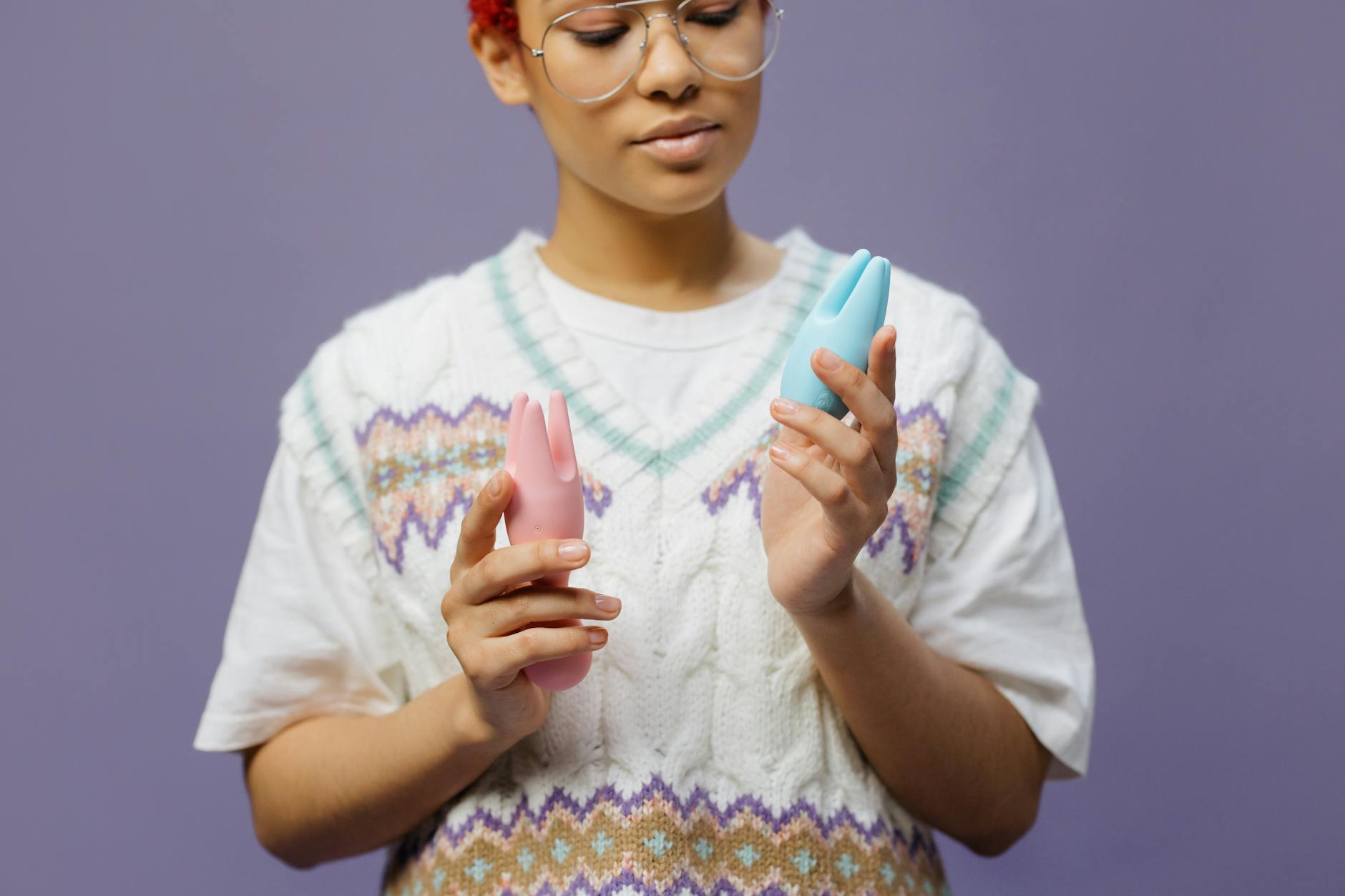
Photo by cottonbro studio on Pexels
The second part is worth saying out loud: statistically, couples who introduce toys into their sex life report higher satisfaction across the board. Not just with the toy. With each other. The vulnerability of asking for what you want, the willingness to explore together, the communication that has to happen. All of that builds intimacy in ways that surprise people.
The conversation framework that actually works
Timing matters more than you think. Don't bring this up during sex. Don't bring it up when you're angry or distant. Bring it up when you're both calm, clothed, and actually able to listen.
Here's the structure I recommend:
Step 1: Lead with curiosity, not criticism. Not: "Sex has been boring lately." Yes: "I've been thinking about how we could explore more together. Would you be open to that?" The first version sounds like an attack. The second sounds like an invitation.
Step 2: Be specific about what you want. "I'd like to try a lemon clitoral vibrator" is clearer and less vulnerable than "I want us to spice things up." Specificity reads as thoughtful, not demanding. You've done your research. You're not just throwing an idea at them cold.
Step 3: Explain the why for you. Not the why they should want this, but the why you do. "I've read that clitoral vibrators can help me relax into pleasure differently, and I'd like us to try it together" is about your experience. It's not about their performance.
Step 4: Ask an open question. "What do you think about that?" or "How does that land for you?" Then actually listen. Not to defend. To understand.
If your partner says no, that's information worth having. It might mean they need more time, more reassurance, or a different approach. It doesn't mean you're broken for asking.
Handling the objections you'll probably hear
Most partners have one of three concerns, and all of them are addressable.
"Do you not enjoy sex with me?" This is the big one. The answer is honest and calm: "I enjoy sex with you. I also think I could enjoy pleasure more deeply with this, and I'd like to explore that together. That's about discovering more, not about you not being enough." Say it again if you need to. People who've been hurt before need to hear reassurance more than once.
"I'm worried it will make sex about the toy, not about us." Fair. Agree with that upfront. "That's a real concern. Let's not make it the whole show. We'll use it as one tool in what we're doing together." Then follow through. The first time you use a lemon vibrator with a partner, don't make it the centerpiece. Integrate it. Use it for part of sex, not all of it.
"I don't know how to use it or where it fits." Honestly, this is easy to solve. Show them. If you've been thinking about this, you've probably looked at how a lemon clitoral vibrator works. Show them the shape, explain that it sits against the vulva, and that you control it. Most partners are relieved when they realize they don't have to figure out the logistics solo.
The logistics of using a lemon vibrator together
First time, lower your expectations. You're not trying to reach some earth-shattering climax while also navigating a new toy and new dynamic. You're just practicing.
Before you start: Charge it fully. Have lube on hand (water-based if you're using a silicone toy). Know what pattern feels good for you solo, so you can guide your partner to that if needed. Tell them it's okay if the vibe is a little awkward the first time. It usually is.
During: Your partner can be actively involved or passively present. Some partners love holding it. Some prefer to focus on touching you elsewhere while you guide the vibrator. Some hands-off approaches feel collaborative too. There's no right shape here.
After: Talk about what felt good, what didn't, what you want to try differently next time. This conversation is where the intimacy deepens. You're literally giving feedback on pleasure. That's vulnerable. That's also exactly where trust lives.
When to bring lemon clitoral vibrators in (and when to wait)
Don't introduce a new toy when your relationship is in crisis. That's not the moment. But if you're in a reasonably stable, connected place, anytime is fair game. Some couples bring toys in because sex has been dull. Some bring them in because they want to deepen something that's already good. Both are valid reasons.
One note: if you're introducing a lemon vibrator because you're struggling to orgasm, be honest about that. "I want to try this because I think it might help me understand my body better" is different than introducing it as a solution to a bigger disconnect. Sometimes the toy helps. Sometimes the real work is elsewhere. A therapist specializing in couples and sexuality can help you figure out which.
The partner who suggested it first
If you're the one bringing this to your partner, remember something. You're asking them to be vulnerable in a way that touches something primal for a lot of people: their sense of desirability, their adequacy as a lover, their fear of being replaced. Be patient with that fear even if it frustrates you. It's not rational, but it's real.
The best partners acknowledge the courage it took to ask, create space for that fear, and then move forward together anyway. That's what transforms a potentially awkward conversation into an intimacy builder.
People Also Ask
Can you use a lemon vibrator while your partner is inside you?
Yes. Many couples use a clitoral vibrator during penetrative sex. The stimulation pattern is different enough that you're not fighting for the same sensation. It adds something rather than competing. Some partners love the sensation of you being stimulated while they're inside you. Communication is key. Agree on positioning beforehand so nobody is surprised mid-moment.
What if my partner wants to use the lemon vibrator on me but I'm nervous?
Nervousness is normal. You're letting someone else control something intimate. Start slow. Show them exactly where and how much pressure you want. You can always say stop. The goal isn't to surrender control completely. It's to share it. If they're impatient or dismissive of your boundaries, that's information about your relationship that goes beyond the toy.
Does using a lemon clitoral vibrator with a partner change how I feel about solo play?
Not usually. Most people find that shared exploration actually enhances their solo experience because they've learned more about what their body responds to. The two experiences are complementary, not competitive. Understanding your own pleasure better actually makes partnered sex richer.
How do you know if your partner is uncomfortable but won't say it?
Watch for patterns. Do they go quiet during or after? Do they avoid initiating sex? Do they make jokes that feel like deflection? These often signal discomfort that hasn't been named yet. The move is a gentle, low-stakes check-in outside the bedroom. "I noticed you seemed quiet when we tried that. I want to make sure you're genuinely into this." This opens the door without pressure.
Is it weird if my partner wants to use the lemon vibrator more than I do?
Not weird at all. Some partners get genuinely excited about the way it makes their partner respond. If that's your dynamic, lean into it. Some couples find that a lemon vibrator becomes their favorite shared experience. That's fine. The tool serves your pleasure. If that pleasure shifts over time, so does how you use the tool.
What if we try it and it doesn't work or feels awkward?
Then you've learned something useful. Not every toy works for every body. Not every dynamic works for every couple. You don't have to keep using it just because you bought it. You also don't have to decide after one try. Give it two or three goes. Awkwardness often softens with familiarity. But if it genuinely doesn't feel right, you move on. No shame. The goal is connection, not a specific tool.
The real skill here is conversation
What I've noticed over decades of working with couples is this: the couples who thrive aren't the ones without friction. They're the ones who can talk through friction honestly. Introducing a lemon vibrator isn't really about the toy. It's about practicing vulnerability, asking for what you want, and trusting someone else with that ask.
Most of the couples I've worked with who brought toys into their sex life reported not that sex got more exciting, but that their relationship did. Because they'd practiced being honest in a tender way. And once you can do that about pleasure, you can do it about other things too.
If you're feeling stuck in the conversation department or like there's a deeper disconnect underneath the toy question, that's what a relationship therapist is for. We help couples build the communication skills that make everything easier, including conversations about intimacy. The toy is just the opening.
Your pleasure matters. Your desire to explore matters. And your relationship can hold that exploration. You just have to be willing to say it out loud first.