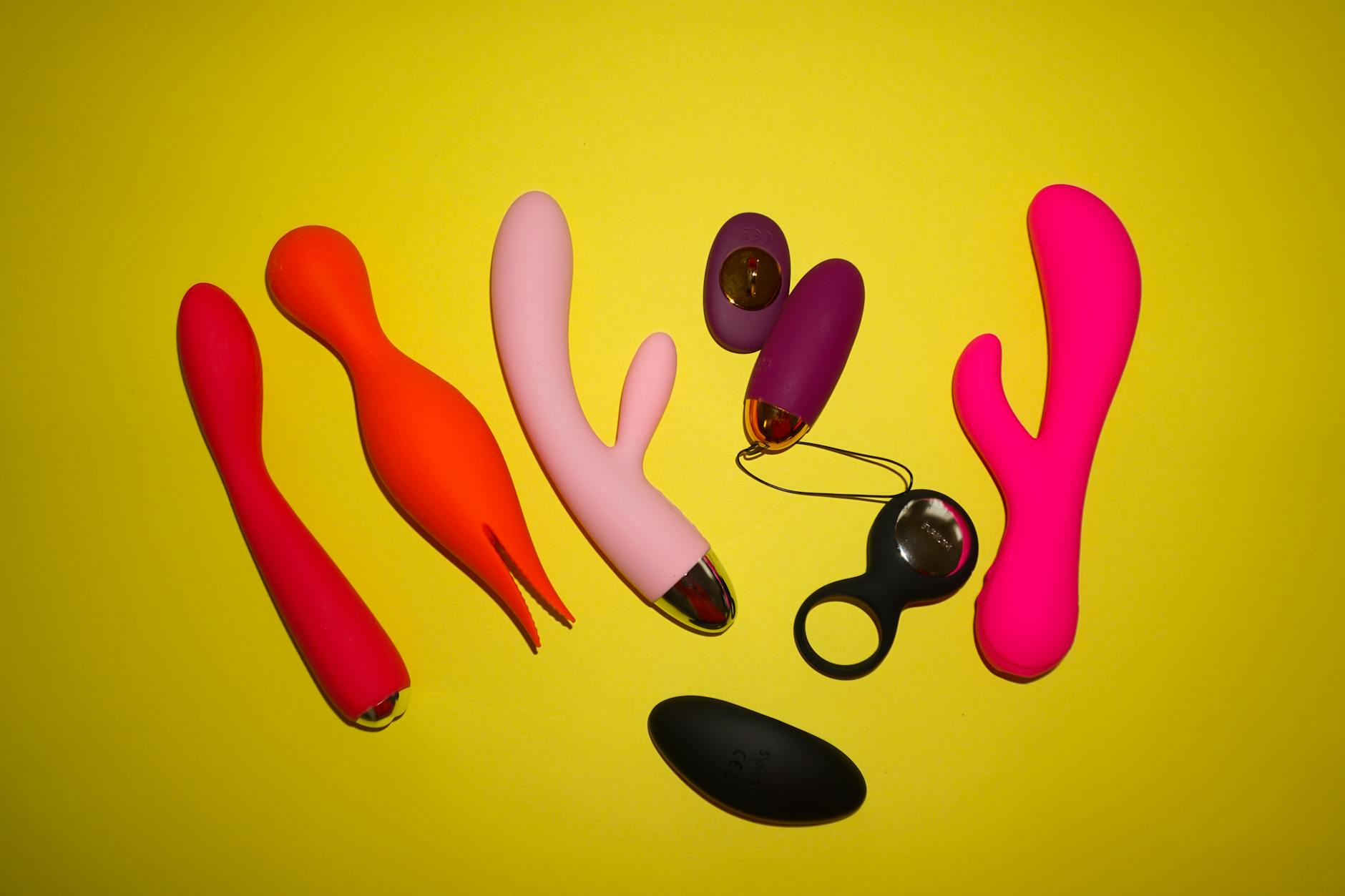
How Lemon Vibrators Improve Pleasure With Thin Vaginal Tissue
Let's be real. If you've noticed that sex toys that used to feel amazing now feel uncomfortable, or if direct vibration makes you feel raw or sore, you're probably dealing with thin vaginal tissue. And you're not alone.
Tissue thinning happens to lots of people—usually linked to dropping estrogen, hormonal shifts, certain medications, or breastfeeding. The problem is that most vibrators out there were designed for tissue that can handle sustained friction and pressure. When your tissue is thin, that same vibration that felt perfect before now feels like it's working against your body instead of with it.
That's where lemon clitoral vibrators change everything. The suction mechanism works differently than traditional vibration, and for thin tissue, that difference is huge.
What happens when vaginal tissue gets thinner
Tissue thinning is actually pretty straightforward biology. Your vaginal tissue is thick and elastic because of estrogen. When estrogen drops—whether from menopause, hormonal birth control, postpartum recovery, or certain medications—that tissue gets thinner, drier, and less stretchy.
That's not bad tissue. It's just different tissue.
The problem shows up when you try to use toys designed for thick, well-lubricated tissue. Traditional vibrators create friction. They move back and forth or side to side against tissue that's now more delicate. Even with lubricant, that constant movement can create micro-tears, irritation, or just plain discomfort.
It's like the difference between rubbing silk and rubbing sandpaper across your skin. The sandpaper isn't bad—it just isn't the right tool for this job.
Why suction works differently than vibration
This is the game-changer part. Lemon vibrators and other suction-based clitoral vibrators don't move across your tissue. They create a gentle seal and pulse. The sensation happens in the nerves, not from friction against the surface.
Think of it this way. Traditional vibrators stimulate through mechanical movement. Suction vibrators stimulate through gentle rhythmic pressure changes. That pressure pulls and releases against the clitoral tissue without requiring any sliding motion across delicate skin.
For thin tissue, this means:
- No friction damage. Your tissue stays protected because there's no rubbing back and forth.
- Deeper nerve activation. The suction engages nerve endings that traditional vibration sometimes misses, especially when tissue is thin.
- Less desensitization. Because the mechanism is different, your body doesn't adapt to it the same way.
- Natural lubrication response. The gentle suction actually triggers your body to produce its own lubrication, which thin tissue often struggles with on its own.
The clinical difference in how lemon clitoral vibrators feel
I work with clients who've switched from traditional vibrators to lemon adult toys, and the feedback is consistent. The sensation feels more concentrated, more controllable, and less painful. Some describe it as feeling "pulled" rather than "buzzed."
That matters because intensity and pleasure aren't the same thing. A traditional vibrator at high intensity might feel like overstimulation or irritation when your tissue is thin. A lemon vibrator at the same intensity level feels completely different—powerful but not harsh.
Many people also report that their orgasms shift when they switch to suction. Instead of the rapid, surface-level orgasm that traditional vibrators sometimes create, suction-based toys often produce deeper, more full-body responses. For thin tissue especially, that deeper response doesn't come with the irritation that intense traditional vibration might bring.
How to use lemon suction toys safely with thin tissue
Even though suction is gentler than friction-based vibration, thin tissue still needs care. Here's what I tell my clients.
Start at the lowest intensity. You don't need high suction to get strong sensation when your tissue is delicate. In fact, lower settings often feel more intense because they're not creating friction that distracts from the actual pleasure sensation.
Always use water-based lubricant. Even though suction doesn't create friction, a little lubrication helps the seal form more comfortably and can intensify sensation. It also protects tissue by reducing any chance of micro-suction marks.
Warm up longer than you might expect. Thin tissue doesn't respond as quickly to arousal, and the blood flow takes longer to build. Spend 15 to 20 minutes on foreplay or external stimulation before using a toy. Your body needs that time to prepare.
Pay attention to positioning. With thin tissue, the angle matters more than it does with thicker tissue. Experiment with direct contact versus slight offset positioning. Some people find that a slight angle reduces intensity in a way that feels better.
Stop if you feel any pain or raw sensation. Pleasure shouldn't involve pain, and thin tissue can become irritated faster than thick tissue. If something feels off, take a break and come back to it later.
When thin tissue is related to other conditions
If you're dealing with vaginal tissue thinning because of genitourinary syndrome of menopause, urinary tract infections, or other medical conditions, it's worth talking to a healthcare provider. Topical estrogen creams or vaginal moisturizers can improve tissue thickness and comfort in weeks. These treatments work well alongside using lemon vibrators—they're not competing approaches, they're complementary.
If you're postpartum and breastfeeding, your tissue will usually thicken up naturally once you stop nursing or once hormones stabilize. In the meantime, suction-based toys are one of the gentler options.
Some medications, like certain antihistamines or SSRIs, also thin tissue. If you suspect your medication is the issue, ask your doctor if adjusting the dose or switching medications is possible.
Building sensation back up after using harsh toys
If you've spent months or years using traditional vibrators on thin tissue, your nerve endings might have gotten used to that kind of stimulation. Your sensitivity might feel low, which can feel discouraging.
Here's the good news. When you switch to a lemon clitoral vibrator, you're actually giving your nerve endings a chance to reset. The different stimulus pattern retrains your body's response. Many people find that after two to three weeks of using suction-based toys, their sensitivity bounces back and orgasms become easier and more intense.
Give yourself that adjustment period. Your first few times with a lemon sucker might feel less intense than you expect. That's normal. Your body is learning a new sensation pattern.
The emotional shift that comes with comfort
Here's something that doesn't get talked about enough. When toys have been painful or uncomfortable, you start avoiding them. That avoidance creates distance from your own pleasure, which creates distance in intimate relationships and in your own sense of sexuality.
When you find a tool that works with your body instead of against it, that shifts. You actually want to use it. You look forward to solo time. That reconnection with your own pleasure is profound, and it ripples into everything else—your confidence, your relationships, your sense of yourself as a sexual being.
Thin tissue isn't a problem to overcome. It's just a change that requires different tools. And those tools are out there.
People Also Ask
Can lemon vibrators help if I'm having pain during intercourse?
Lemon vibrators address clitoral pleasure, which is different from intercourse pain. If intercourse itself is painful, you might be dealing with vaginal tightness, muscle tension, or inflammation that needs a different approach. That said, if your pain is related to thin tissue making direct friction uncomfortable, exploring clitoral pleasure with a suction toy can build confidence and help you understand what feels good. Start there, and talk to a healthcare provider if intercourse pain persists.
How is a lemon vibrator different from a regular clitoral vibrator?
The key difference is the mechanism. Traditional clitoral vibrators buzz or vibrate against tissue. Lemon clitoral vibrators and other suction-based toys create gentle rhythmic pressure through suction instead. For thin tissue, that suction approach is gentler and often more effective because it doesn't rely on friction. The sensation also feels different—more concentrated and less numbing over time.
Should I use a lemon suction toy if I'm on vaginal estrogen cream?
Absolutely. In fact, they work really well together. Estrogen cream thickens your tissue and improves lubrication over weeks. A lemon vibrator gives you pleasure and sensation in the meantime. Once your tissue improves, you might find that the toy feels even better because your tissue is healthier. There's no conflict between using both.
How often can I use a lemon clitoral vibrator if I have thin tissue?
There's no hard limit. Use it as often as you want pleasure. Thin tissue doesn't get damaged by suction the way it can get damaged by friction-based vibration. That said, if you notice any irritation or soreness, take a day or two off. Your body will tell you if it needs a break.
Do lemon vibrators feel too intense for sensitive clits?
The opposite, usually. Because suction distributes stimulation differently than vibration, it often feels less intense on sensitive clits even when the setting is high. Many people with sensitive tissue actually find suction more comfortable than traditional vibrators. Start low and work up to find your sweet spot.
Can thin tissue improve on its own without treatment?
It depends on the cause. If thinning is from hormonal fluctuation, lifestyle changes, or medication, it might improve with time or when hormones stabilize. If it's from menopause, it usually doesn't reverse without treatment like topical estrogen. Either way, you don't have to wait to enjoy pleasure. Lemon vibrators and other tools designed for thin tissue work right now, regardless of whether your tissue thickness changes.
The path forward
Thin vaginal tissue changes what feels good, but it doesn't change your capacity for pleasure. Lemon vibrators exist specifically because thin tissue needed a different approach. When you use a tool that respects your body's current reality, everything shifts. You move from frustration back into pleasure. That matters, and it's available to you right now. If you're curious about trying a suction-based approach, start low, use lubricant, and give yourself permission to learn what your body enjoys. Your pleasure is worth that attention.
For more on choosing the right toy for your body, check out our guide on how to choose between lemon vibrators and wand vibrators. If you're navigating pleasure changes after hormonal shifts, our post on how lemon vibrators affect pleasure after hormonal changes digs deeper into the science.