Let's talk about what makes lemon vibrators different
If you've got sensitive skin, you probably already know the difference between a gentle touch and irritation. Lemon vibrators work nothing like traditional vibrators, and that's exactly why some people with sensitive skin report they're the first toys that actually feel good.
Here's the thing: most clitoral vibrators buzz. Lemon vibrators, including the Lem, use air-pulse suction technology. That distinction changes everything about how your body responds.
How air-pulse suction actually feels on reactive skin
Traditional vibrators create friction through rapid movement. Imagine fast tapping or buzzing against your skin. For people with sensitive vulvas, that friction can feel overwhelming, raw, or even painful after a few minutes.
Air-pulse suction works differently. It creates a gentle rhythmic pulling sensation, like a soft kiss. There's no grinding, no rapid friction back-and-forth. The stimulation is more diffuse because it's happening across a broader surface area rather than a pinpoint.
This is why many people with reactive skin, eczema-prone tissues, or previous irritation find lemon clitoral vibrators more comfortable. The suction feels like pressure and release, not abrasion.
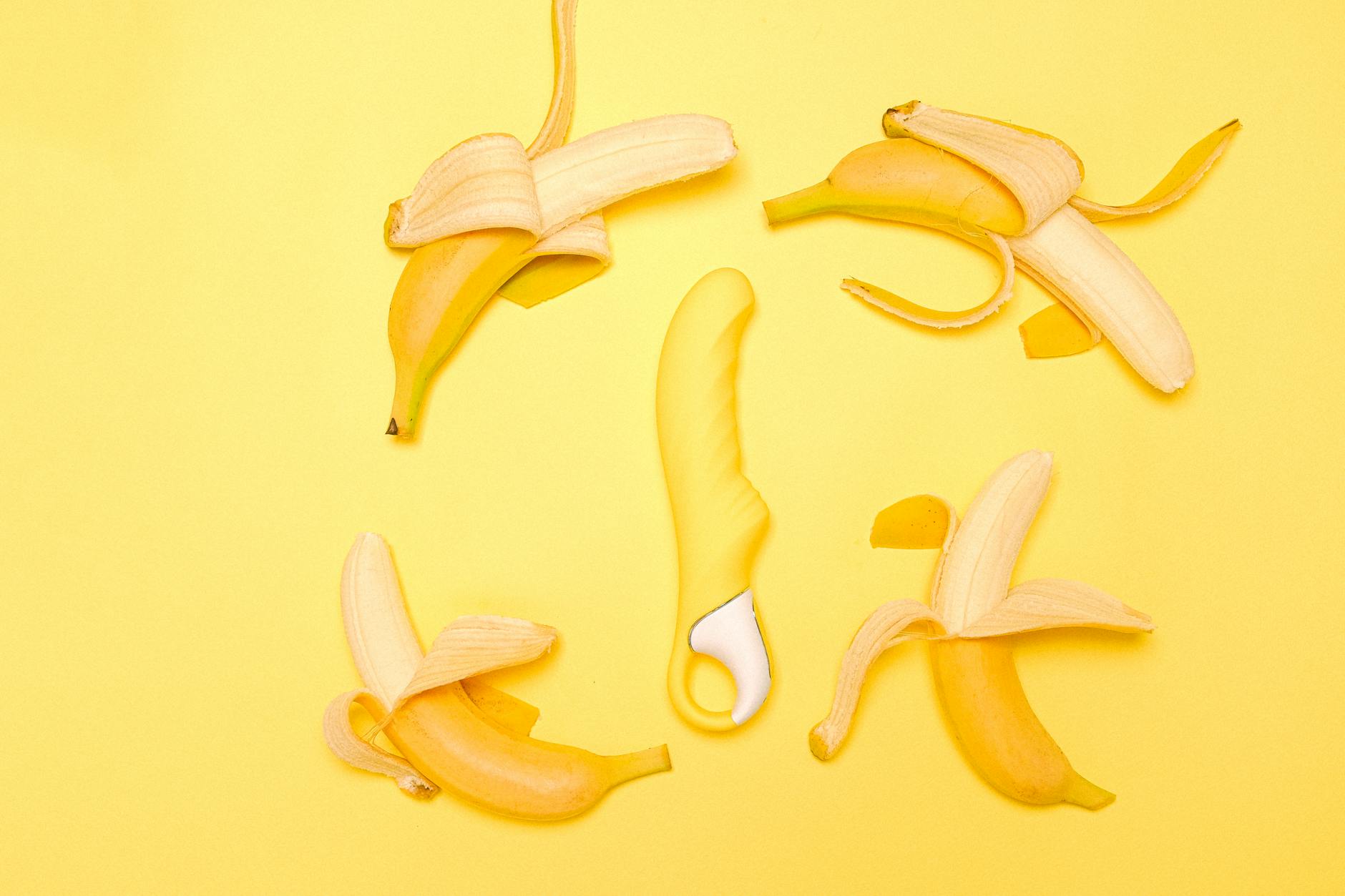
Photo by Anna Shvets on Pexels
Why sensitive skin reacts differently to suction versus vibration
Your vulva has around 8,000 nerve endings packed into a small area. When those nerves are easily triggered (which happens with sensitive skin, inflammation, or previous trauma), a buzzing vibrator can feel like overstimulation.
Suction technology stimulates these nerves through compression and release rather than surface-level friction. It's less local irritation, more systemic pleasure. The tissue itself isn't being rubbed raw because there's no rubbing happening.
This also matters for blood flow. Traditional vibrators can cause localized irritation that makes blood vessels constrict. Suction actually draws blood into the area gently, which can reduce sensitivity paradoxically by increasing circulation and warming the tissue.
The settings that work best for reactive skin
Even if lemon vibrators feel gentler, starting correctly matters. Here are the settings I recommend:
Start at pattern 1 or 2. These are the slowest pulse patterns. Don't assume you need more intensity because it feels different. Give your body 5-10 minutes at the gentlest setting.
Use the lowest suction strength first. Most lemon vibrators have adjustable suction intensity. Set it low. You can always increase it. You can't un-irritate skin that's already upset.
Keep sessions under 15 minutes initially. Sensitive skin benefits from shorter, more frequent sessions rather than marathon exploration. Your body learns the sensation better this way, and you're less likely to end up red or irritated.
Apply water-based lubricant before. Lube isn't just for comfort. It's a barrier. It reduces direct skin-to-silicone contact and helps the suction work more evenly across the tissue. This is especially important if you have dryness or thinness in the area.
What to avoid if you have reactive skin
Three things that tend to backfire:
Don't jump to the strongest intensity because you're "used to vibrators." Suction feels completely different. Your body's sensitivity threshold isn't the same. Reset your expectations.
Don't use the toy without lubrication, assuming suction is "dry." Lube helps. It's not cheating or optional.
Don't keep going if you feel rawness or burning. Some light tingling is normal. Actual pain or heat is your cue to stop, apply a cool compress, and wait at least a day before trying again.
Understanding irritation versus normal sensitivity
There's a difference between "this feels intense" and "this is hurting my skin." Normal sensitivity during play feels tingly, warm, or strong. Irritation feels hot, stinging, or raw.
If you're new to lemon vibrators and have reactive skin, expect the first 2-3 sessions to feel slightly unusual. Your vulva is getting used to a new type of stimulation. That's normal.
But if you're experiencing redness that lasts hours, burning that doesn't fade with cool water, or any kind of discharge change, take a break and consider talking to a gynecologist. You might have an underlying skin condition that needs attention, or you might just need more lubrication and longer rest days between use.
Why lemon suction can actually reduce inflammation over time
This one surprises most people: regular use of gentle lemon vibrators can actually reduce chronic vulvar irritation for some people.
Here's why. Gentle stimulation improves blood flow and strengthens tissue. It's similar to physical therapy. When you're stimulating nerves gently and regularly, you're training your nervous system to become less reactive over time.
Many of my clients with vulvodynia (chronic vulvar pain) report that starting with a gentle lemon clitoral vibrator at low settings, used 2-3 times per week, reduced their baseline pain within weeks. It's not magic. It's desensitization and improved circulation working together.
That said, if you have a diagnosed condition like vulvodynia, check with your healthcare provider first. You might benefit from a specific approach or pacing.
Maintenance and material care for sensitive skin
The material of the toy matters too. Lemon vibrators are made from medical-grade silicone, which is non-porous and hypoallergenic. This means it won't harbor bacteria or react with your skin the way some cheaper materials do.
But you still need to care for it properly. Wash it with warm water and unscented soap before and after use. Dry it completely. Store it in a cool, dry place.
If you notice any sticky spots, cloudiness, or odor, clean it more thoroughly. Sometimes residual soap or lint can build up and cause irritation. A quick rinse under warm water and a gentle wipe usually fixes it.
When to try a different toy if lemon vibrators don't work for you
Not every toy works for every body. If you've given lemon vibrators a fair shot (5-6 sessions, lowest settings, with lubrication) and you're still uncomfortable, it might not be the right tool for you.
That doesn't mean you should give up. You might have better luck with a lower-power toy designed specifically for sensitive skin, or you might need to explore non-penetrative options for a while. Consider checking out Hello Nancy's buying guide to explore other options that might feel better for your body.
FAQ
Are lemon clitoral vibrators safe for people with vulvodynia?
Lemon vibrators can be helpful for some people with vulvodynia, but it depends on your specific condition and what triggers pain. The gentle suction approach is less irritating than traditional vibrators for most people. Start at the absolute lowest setting and short sessions. If you have vulvodynia, consult your healthcare provider before trying any new toy.
Can I use a lemon vibrator if I have lichen sclerosus or eczema down there?
Yes, but carefully. These conditions make skin extremely reactive. Use plenty of water-based lubricant, start with the lowest intensity, and keep initial sessions to under 10 minutes. Medical-grade silicone is gentle, but any new stimulation can trigger flares in some people. Patch test first and talk to your dermatologist.
Why does my skin feel more sensitive after using a lemon vibrator?
Your tissues are engorged with blood and slightly swollen, which can make them feel more reactive temporarily. This usually fades within 30 minutes to an hour. If sensitivity lasts longer or gets worse, you went too long or too intense. Next time, shorten your session or lower the intensity.
How is suction stimulation different from vibration for sensitive skin?
Vibration creates friction through rapid back-and-forth movement, which can irritate reactive skin. Suction creates pressure and release without friction, so it stimulates nerves without rubbing the surface. For many people with sensitivity, this feels much gentler and more comfortable.
Can I use a lemon sucker if I'm taking medications that cause dryness?
Yes, as long as you use extra lubrication. Medications like antihistamines, some birth control pills, and SSRIs can reduce natural lubrication. Water-based lube compensates and actually helps the suction work better. Reapply as needed during your session.
What's the difference between normal tingling and irritation when using a lemon vibrator?
Normal tingling feels energizing, warm, or intense but not painful. Irritation feels hot, stinging, raw, or like burning. If you're not sure, apply a cool compress and wait 15 minutes. If the sensation goes away, it was normal. If it stays or gets worse, your skin needed a break.
The takeaway
Lemon vibrators work differently than traditional toys, which is why they're often more comfortable for people with sensitive skin. The suction approach stimulates without friction, and you can adjust both intensity and pattern to match what your body needs.
Start low, use lubrication, keep sessions short initially, and listen to your body. If you've got reactive skin, you're not broken. You just might need a different tool than everyone else, and that's completely fine.
If you want to explore what might work best for your body, reach out. We're here to help you find what actually feels good.