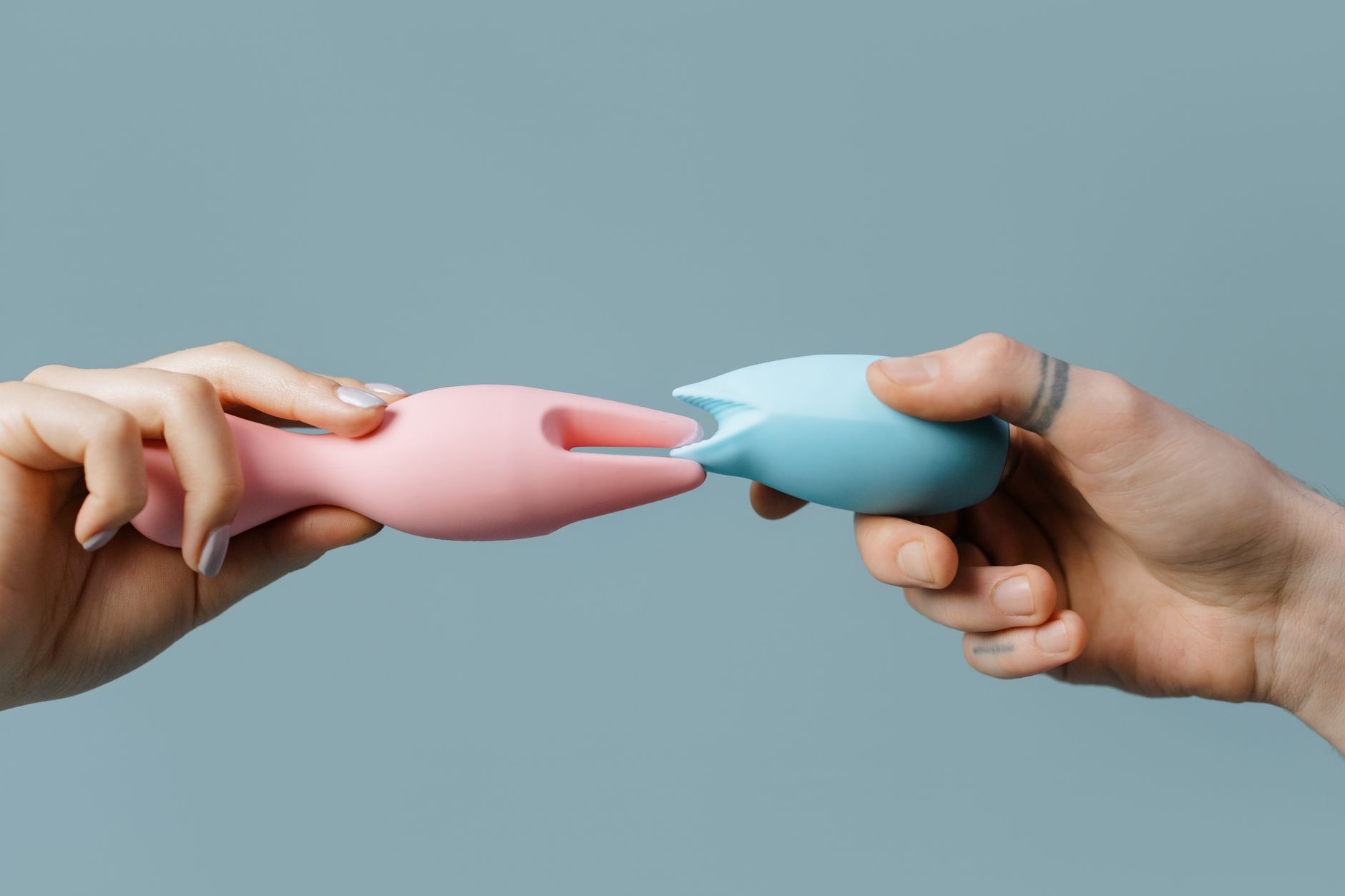
Here's what nobody tells you about hormonal shifts
You've been using a lemon vibrator for months, maybe longer. It feels great. Then you go off the pill. Or you switch from the copper IUD to a hormonal one. Or you finally start taking birth control after years without it. And suddenly, the same vibrator that used to send you to the moon feels either too intense or barely noticeable.
It's not your imagination. It's not the toy. It's your hormones rewiring how your entire nervous system responds to stimulation.
How birth control changes what pleasure feels like
Hormonal birth control (pills, patches, shots, implants, IUDs) suppresses your natural estrogen and progesterone levels and replaces them with synthetic versions. This affects a lot more than just pregnancy prevention. It changes clitoral blood flow, vaginal lubrication, skin sensitivity, and even the neurological pathways your brain uses to register pleasure.
When you stop, start, or switch birth control methods, your body doesn't snap back to baseline overnight. It takes weeks, sometimes months, for your natural hormone production to restart or recalibrate. During that adjustment window, everything feels different. Your arousal patterns shift. Your orgasm intensity changes. Your tolerance for vibration intensity completely recalibrates.
Many women report that when they stop hormonal birth control, sensitivity increases wildly at first. The Lem, which felt perfect at pattern 3, suddenly feels overwhelming at pattern 2. Others say the opposite: after starting birth control, they need higher intensity to feel much of anything.
The clitoral blood flow piece
Estrogen isn't just about mood or lubrication. It directly affects how much blood flows to your clitoris. More blood flow means more engorgement, more sensitivity, faster arousal. Less blood flow means delayed response, reduced sensation, and sometimes a frustrating numbness that makes you feel broken.
Synthetic hormones in birth control create different blood flow patterns than your natural estrogen does. Some formulations enhance flow. Others suppress it. If you're switching from a pill with a certain hormone dose to a different pill or method entirely, you're potentially changing your baseline clitoral vascularity.
This is why some women find that their lemon vibrator works brilliantly on one birth control and feels wrong on another. It's not about the toy. It's about whether your clitoris is getting enough blood to be sensitive to the suction and pulse patterns.
What happens when you go off birth control
The first 2-3 weeks after stopping hormonal contraception, your body is chaotic. Hormones spike and crash as your pituitary gland remembers how to do its job. During this time, sensitivity can swing wildly from day to day.
By week 4-8, your natural testosterone kicks back in. This is the hormone responsible for desire in everyone, regardless of gender. More testosterone means stronger arousal, faster response to stimulation, and often intense sensation that can feel almost uncomfortable if you're used to the muffled response that hormonal birth control creates.
This is when many women report the best orgasms of their lives. This is also when they often find their usual vibration patterns overwhelming and need to dial back the intensity on their lemon clitoral vibrator.
What happens when you start birth control
The opposite trajectory occurs here. Synthetic hormones suppress your natural testosterone and adjust your estrogen levels. In the first month, as these new hormones build in your system, arousal might actually increase slightly (relief-related). But by month 2-3, many women notice reduced desire and a muffled response to stimulation.
If you've been using a lem vibrator without birth control, starting hormonal contraception might require you to move up intensity levels to feel the same sensation. The vibration patterns that worked perfectly might suddenly feel too subtle.
Why intensity tolerance changes specifically
Lemon vibrators work through suction and patterned pulsing, not raw vibration like a traditional wand. This means they're deeply responsive to nervous system state. When your hormones shift, your nervous system's baseline sensitivity shifts with it.
A woman on birth control might have a naturally higher sensation threshold because synthetic hormones lower dopamine and reduce clitoral engorgement. That same woman, three months off birth control, might have her natural dopamine production restored and her clitoris more engorged. Now the exact same suction intensity that felt right before feels overwhelming.
It's not addiction. It's neurobiology. Your body has literally recalibrated what its baseline is.
The timing piece most people miss
Here's where it gets tricky: hormonal contraception doesn't just affect your