Here's the thing about mismatched sensitivity
You're in bed. One of you reaches for the wand. The other winces. Within thirty seconds, you've both mentally checked out. It's not about desire or love or effort. It's physics. Wand vibrators work the same way for everyone, which means they work for almost nobody when two bodies with different nerve endings show up at the same time.
This is one of the most common friction points couples bring to me in therapy. Not the emotional kind. The literal kind.
How wand vibrators miss the mark for mismatched partners
Wand vibrators work through broad, rapid oscillation. They're powerful, direct, and one-speed-fits-all. That's actually their limitation. When you're using a wand on a partner with high sensitivity, the vibration can feel sharp or overstimulating. When you're using it on someone who needs more intensity, it still feels like a massage on a low battery.
The problem: there's no middle ground. You're either numbing or overwhelming. Both partners feel unheard.
Wands also create pressure dependency. The more pressure you apply, the more intense the sensation. So the partner who's sensitive becomes guarded ("don't press so hard"), while the partner who needs intensity presses harder anyway. Now you've got tension disguised as technique, and technique becomes the scapegoat for a structural mismatch.
It's worth noting that one partner might tolerate the wand because they think they're supposed to, not because it actually works for their body. That's different from pleasure.
How lemon vibrators work differently
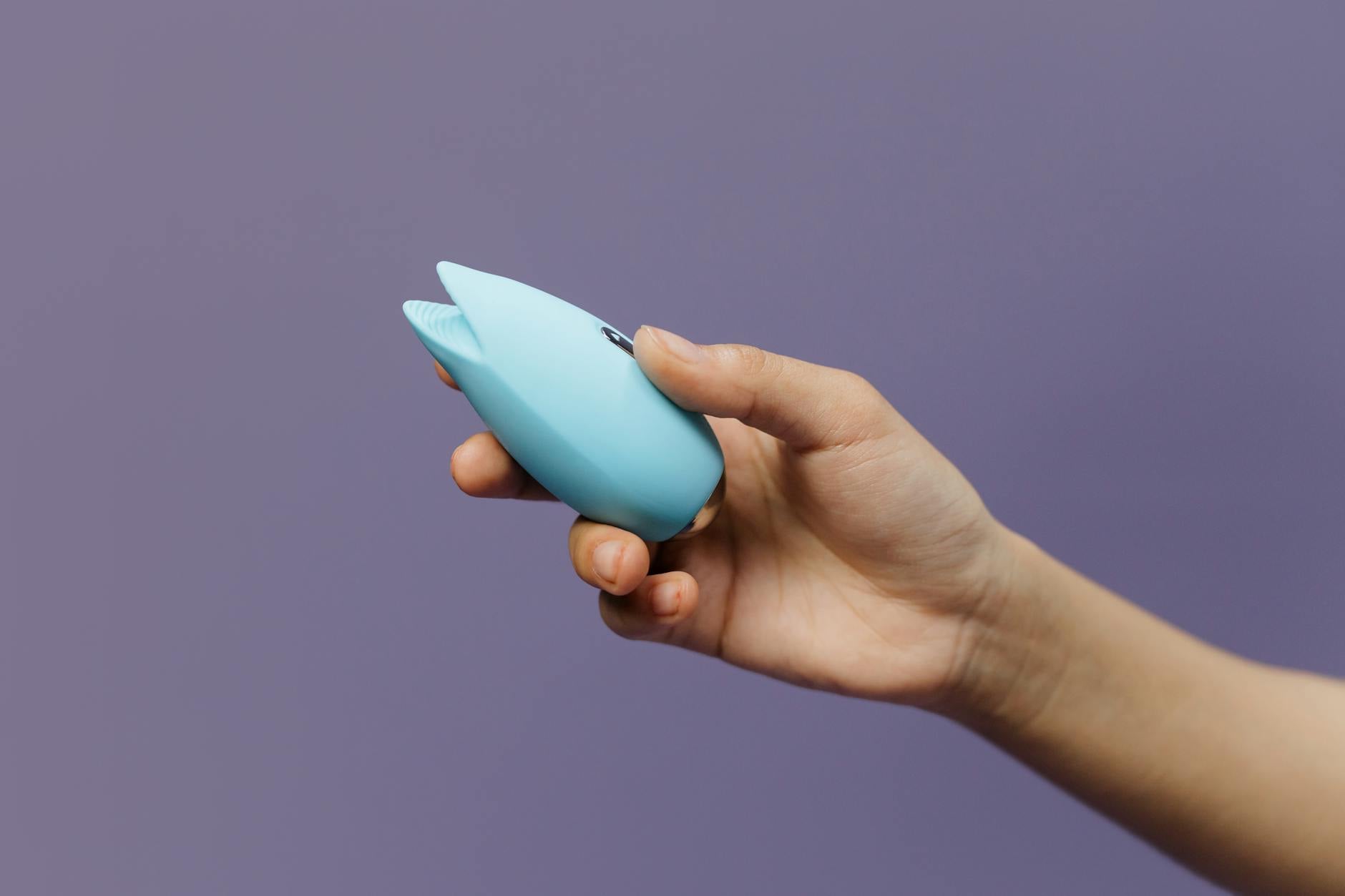
Lemon clitoral vibrators use suction or gentle pulsing rather than broad vibration. This changes everything about sensitivity negotiation.
First, suction-based stimulation is gentler and more focused than oscillation. It doesn't numb the clitoris through repetition the way intense vibration can. Instead, it builds sensation gradually. For partners with high sensitivity, this means control without compromise.
Second, lemon vibrators typically have multiple intensity levels and pattern options. You're not choosing between "off" and "way too much." You're working within a spectrum. Partner A uses pattern 2. Partner B uses pattern 5. You're both getting your actual needs met.
Third, and this is crucial: the sensation from suction-based lemon vibrators tends to feel less intense to people who've had their clitoris desensitized from years of wand use, while simultaneously feeling more pleasurable to partners with average or high sensitivity. It's not that lemon vibrators are weaker. They're just differently positioned on the sensitivity curve.
Here's the research: the clitoris has roughly 8,000 nerve endings concentrated in a tiny space. Broad vibration overstimulates all of them at once. Focused suction engages them in a wave pattern. Your nervous system processes these differently. One feels like an alarm. The other feels like a conversation.
Why partnered pleasure is different from solo pleasure
When you're alone, you can dial in exactly what you need, adjust mid-session, and never compromise. Partnered pleasure requires mutual responsiveness. You're not just chasing your own climax. You're also reading your partner's breathing, their rhythm, their feedback.
With a wand, that feedback often becomes negative because the tool itself is inherently binary. With a lemon vibrator, you have enough range that both partners can stay engaged instead of one person managing discomfort.
I've worked with couples where one partner gave up asking for what they needed because the tools available forced them to choose between getting what they wanted and their partner staying comfortable. Switching to a lemon clitoral vibrator changed that dynamic completely. Suddenly, compromise wasn't about sacrifice. It was about having enough options.
The emotional layer you can't ignore
Physical sensitivity differences are real, but they often get tangled up with emotional pressure. If you're the partner who needs more stimulation, you might feel broken. If you're the partner who's easily overwhelmed, you might feel like you're stopping your partner's pleasure.
Neither is true. And neither gets fixed by just choosing a different toy. But the toy does matter. When the tool matches both of your bodies, that message goes away. You're not managing each other's bodies anymore. You're exploring together.
This is where lemon vibrators offer something wands don't: they're neutral enough that neither partner has to feel like the accommodation. You're both working within the device's range, not one of you tolerating it.
Practical steps for switching from wands to lemon vibrators
If you're considering making this shift, here's what typically works.
Start with communication outside the bedroom. "I want us both to actually enjoy this" is different from "the wand isn't working for me." One opens a door. The other closes it.
Choose a lemon clitoral vibrator together if possible. Let both partners hold it, feel the weight, understand the intensity levels. There's no mystery then.
Start with a lower pattern when you're together. Many couples go to pattern 3 or 4 and stay there for a few sessions. You're building comfort with sensation, not chasing the big moment.
Talk about what you're feeling, not what you think you're supposed to feel. "That feels sharper than I expected" is useful. "I'm not sure if I like it" is useful. "This is different but good" is useful.
Why adjustment takes time (and that's normal)
If you've been using wand vibrators for years, your body has adapted to that specific stimulation pattern. A lemon vibrator feels strange at first because it's novel, not because it's wrong. This usually takes three to five sessions to settle into. Some couples need longer.
During adjustment, don't force the moment. If lemon vibrators feel odd during partnered sex, try solo exploration first. You're not being difficult. You're gathering data.
Addressing the sensitivity myth
You might hear that people with high sensitivity shouldn't use vibrators at all. That's backward. People with high sensitivity often benefit most from gentler, more targeted tools like lemon vibrators. The overstimulation from wands can actually trigger protective tension in the pelvic floor, which makes things feel worse.
Lemon clitoral vibrators, particularly those with suction-based technology, actually help partners with high sensitivity regain confidence because the sensation is controllable. You're not bracing for impact. You're opening toward it.
When both partners have the same sensitivity level
You might be thinking: "What if we both need the same thing?" Lemon vibrators still win. Here's why: even if both partners have identical sensitivity, you might be in different parts of your arousal cycle. What feels perfect at minute 2 feels too intense at minute 8. A lemon vibrator's range means you can adjust without stopping.
Also, if you're both high-sensitivity people, wand vibrators often feel unbearable for both of you. You'll spend so much energy managing the intensity that pleasure becomes secondary.
The partnership question
Using different tools together isn't a sign of incompatibility. It's a sign of compatibility actually. You're saying: "I want your pleasure as much as I want mine, and I'm willing to use the right tool for that."
That's the whole point of partnered intimacy. Not synchronized bodies. Synchronized intention.
People also ask
Why do lemon vibrators feel less intense if they have multiple patterns?
Lemon vibrators use suction or focused pulsation instead of broad oscillation. Even on the highest pattern, they don't create the same numbing effect that constant vibration does. It's not less intense so much as differently positioned on your sensitivity curve. Most people describe it as more pleasurable, not weaker.
Can I use a lemon vibrator if I've only ever used wands?
Yes. Most people adjust within three to five uses. Start on a lower pattern and give yourself time. Your body needs to recalibrate to a new sensation. That's normal and temporary.
Do lemon vibrators work for vaginal stimulation too?
They can, though they're designed primarily for clitoral use. Some people enjoy using them on the vulva more broadly, but for internal stimulation, you'd want a different tool. Talk to a retailer or check the product specs.
What if my partner thinks lemon vibrators are "cheating" or "not real sex"?
That's a value conversation, not a tool conversation. A vibrator is a tool that helps you both access pleasure. That's not cheating. That's collaboration. Some partners resist because they feel insecure about their own ability. That's the actual thing to talk about, separate from the toy itself.
Do I need to buy different intensities for different partners?
Not necessarily. Most lemon vibrators have enough range that both partners can find their sweet spot. If one partner is extremely sensitive and the other needs high intensity, yes, two devices might be worth it. But most couples solve it with one good lemon clitoral vibrator.
How do I know if a lemon vibrator will work for us?
You can't know until you try. But if wands have created tension, friction, or compromise in your partnered pleasure, the structure of a lemon vibrator's stimulation is likely to shift that. Read reviews from couples, not just solo users. Couples reviews tell you about negotiation and adjustment.
What changes when you find the right tool
I've watched couples come back to therapy and say the same thing: "It's weird, but we're both finally getting what we actually wanted." Not what they thought they were supposed to want. Not what they could tolerate. What they actually wanted.
That's what a lemon vibrator can unlock. Not a better orgasm. Better communication. Not a stronger sensation. Actual alignment.
Your pleasure matters. Both of yours. And you don't have to choose between them.