
Let's talk about why your clitoris is saying no to vibration
If you've ever used a traditional vibrator and felt overstimulated, numb, raw, or just... not into it, you're not alone. A huge percentage of people with clits report that standard vibrators feel uncomfortable or make them feel like they need anesthetic instead of pleasure. The problem isn't you. It's the tool.
Lemon vibrators work differently. They use suction and pulsation instead of rapid vibration, and that distinction changes everything for sensitive bodies.
How traditional vibrators actually stimulate
Most conventional vibrators buzz. They vibrate at speeds between 4,000 and 12,000 cycles per minute, creating continuous high-frequency stimulation across the tissue. This works great for some people. But here's what happens for sensitive clits.
With sustained vibration, nerve endings can become overwhelmed or temporarily desensitized. The constant buzzing can feel harsh on delicate tissue, especially if the vibrator isn't held perfectly still or if you have thinner, more reactive skin. You need more intensity to feel anything, which means more pressure, which means discomfort creeping in. Many people end up chasing sensation instead of enjoying it.
You might also notice numbness afterward. That's because high-frequency vibration can temporarily fatigue the nerve fibers responsible for pleasure. It's not permanent, but it's annoying.
Why lemon clitoral vibrators feel different
Lemon vibrators (sometimes called lemon suckers or air-suction toys) work on a fundamentally different principle. Instead of vibrating, they use gentle suction combined with pulsation patterns. Think of it less like a jackhammer and more like waves.
The suction creates a seal around the clitoris, then releases in rhythmic pulses. This stimulates nerve clusters without the aggressive high-frequency buzz. The sensation is deeper, more rounded, and many people describe it as feeling more like touch than machine.
For sensitive clits specifically, this matters because suction stimulates nerves without the same friction or pressure damage that traditional vibration can cause. You're not abrading tissue. You're massaging it.
The sensitivity spectrum and why it matters
Sensitivity shows up in different ways. Some people have naturally reactive nerve endings. Others have thin or easily irritated vulvar skin from skin conditions, hormonal changes, or medications. Some have pelvic floor tension that makes direct vibration feel sharp instead of pleasurable.
For each of these, lemon clitoral vibrators offer a real advantage.
High nerve reactivity: Suction stimulation feels more diffused because it engages a broader area of nerve tissue at once, rather than concentrating intensity into one point. You get sensation without the sharp sensation.
Thin or reactive skin: There's no direct friction, which means lower risk of irritation, rawness, or micro-tears. This is especially important after hormonal changes (if you're interested in how this works post-menopause, read our piece on how lemon vibrators affect pleasure after hormonal changes).
Pelvic floor tension: When your pelvic floor is tight, vibration can actually increase tension. Suction-based stimulation tends to relax the pelvic floor, making the whole experience feel less tense and more integrated.
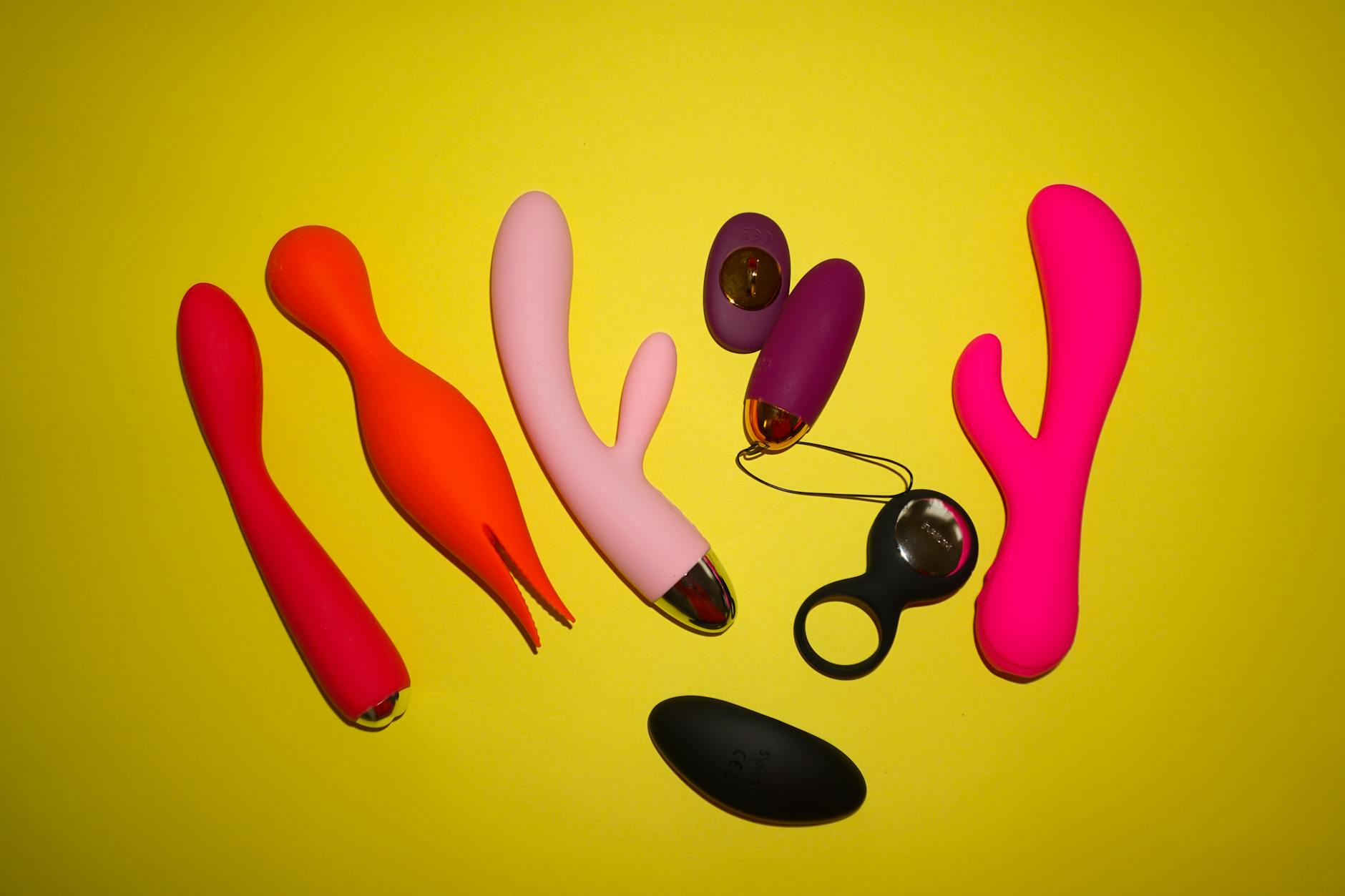
Photo by FounderTips on Pexels
The intensity factor: feeling more with less
Here's the counterintuitive part. Many people with sensitive clits think they need to avoid strong sensation. In reality, they often need different sensation, not weaker sensation.
Lemon vibrators deliver intense stimulation in a way that feels manageable. You can absolutely reach powerful orgasms with a lemon sucker. The difference is that you're not white-knuckling through discomfort to get there. The intensity builds gradually and feels like relief instead of assault.
This is why people who've struggled with traditional vibrators often have a breakthrough moment with a suction-based tool. They finally feel intensely stimulated without pain in the equation.
Technique shifts when you switch
If you're moving from a traditional vibrator to a lemon clitoral vibrator, the application changes. You're not hovering it over the area or applying pressure. You're creating a seal. This means less hand fatigue, more consistent stimulation, and less risk of irritation from uneven pressure.
The suction-based approach also works better if you're one of those people who needs indirect stimulation instead of direct contact. Many folks find clitoral suction works perfectly through underwear or light fabric, which gives you options for comfort and ease that traditional vibrators don't really allow.
When sensitivity is actually pain (and what to do)
I need to separate two things here. Sensitivity during pleasure is normal. Pain during pleasure is not. If a lemon vibrator ever causes sharp pain, burning, or persistent rawness, that's a signal to stop and investigate.
Sometimes pain during genital contact is a sign of genitourinary syndrome, a skin condition, or pelvic floor dysfunction. These are all very treatable by a good gynecologist or pelvic floor physical therapist. Using the best tool in the world won't fix an underlying issue. But it might help you figure out what's actually going on, because a gentler tool will usually feel less painful, making it easier to identify what's sensitive versus what's damaged.
If you're having pain during sex, lemon vibrators can sometimes help with the reconnection part. We've got a whole post on whether lemon vibrators help with pain during intimacy if that's relevant to you.
The nerve science in plain English
Your clitoris has roughly 8,000 nerve endings concentrated in a tiny space. Traditional vibrators stimulate these through repetitive mechanical pressure. Lemon vibrators stimulate through rhythmic suction, which engages nerves differently.
In brain imaging studies, different stimulation patterns light up different regions of the sensory cortex. Suction-based stimulation tends to create broader activation patterns, while high-frequency vibration creates more localized activation. That's a simplified explanation, but the practical upshot is that your brain experiences the two types of stimulation as fundamentally different events.
For sensitive people, the broader activation pattern feels more comfortable and more integrative. You're not isolating one sensation. You're creating a full-body response.
Why the lemon sucker is actually a game-changer
Lemon vibrators exist in that sweet spot between gentle enough for sensitive bodies and intense enough to actually feel like something. They're not a compromise tool. They're a different tool that happens to work better for people whose systems get overwhelmed by traditional vibration.
If you've written off vibrators because they made you uncomfortable, a suction-based approach is genuinely worth trying. The sensation is different enough that you might have a completely different experience.
Your pleasure is specific to your nervous system. What works for someone else might feel terrible for you, and vice versa. The goal is finding the right match, not forcing your body to adapt to the wrong tool.
People also ask
Are lemon vibrators suitable for all clitoris types?
Most people find lemon clitoral vibrators comfortable, but clitoris anatomy varies. Some people have a clitoris that sits deeper under the hood, which can make suction less effective. Others prefer the feeling of direct vibration even if they're sensitive. The best approach is to start with the lowest suction setting and work up, so you can figure out what your body actually wants. If suction doesn't work for you, that's fine. It just means this particular tool isn't your match.
Can you use a lemon vibrator if you have a latex allergy?
Most lemon vibrators, including Hello Nancy's Lem, are made from medical-grade silicone, not latex. Silicone is hypoallergenic and safe for the vast majority of people. If you have a history of silicone sensitivity (extremely rare), check with your doctor before using any silicone toy. The toy's care instructions should tell you exactly what material it's made from.
Do lemon vibrators take longer to reach orgasm?
Not necessarily. Because suction-based stimulation feels more integrated and less overwhelming, some people actually orgasm faster once they adjust to the sensation. Others find that the pattern of pulsation with suction creates a different type of orgasm that feels longer or more intense. Speed isn't the point. Pleasure is.
Can you use a lemon sucker with a partner?
Absolutely. In fact, a lot of couples find that switching to a lemon vibrator together helps them reconnect because it feels less clinical and the rhythm isn't as jarring. Your partner can hold it, or you can use it together. If you're looking for specific guidance on partner integration, we've written about why lemon vibrators work better for relationship reconnection and how to use lemon vibrators with a partner if you want concrete conversation starters.
What if I'm sensitive everywhere, not just my clitoris?
Lemon vibrators are still worth trying because the suction approach is gentler overall. But you might also want to look at what "sensitive" means for you. Are you actually sensitive, or is your nervous system overstimulated or your pelvic floor too tense? Those two things feel the same but need different solutions. A pelvic floor physical therapist can help sort this out.
How do I know if a lemon vibrator is right for me?
If traditional vibrators leave you numb, raw, overstimulated, or generally unimpressed, a lemon vibrator is absolutely worth trying. If you have thin vulvar skin, hormonal changes affecting sensitivity, or pelvic floor tension, they're also a smart choice. The only real way to know is to try one, and the fact that you're reading this suggests your current tools aren't quite working for you. That's actually useful information.
The bottom line
Sensitivity isn't a limitation. It's information about what your body needs. Lemon vibrators are designed for exactly this situation. they offer intense, satisfying stimulation without the harshness that makes traditional vibrators uncomfortable for sensitive nervous systems.
If you're ready to try a different approach, a quality lemon clitoral vibrator can feel like a complete game-changer. Your pleasure matters, and you deserve a tool that works with your body instead of against it.
Have questions about which tool might work for you? Reach out to us at /contact. We're here to help.