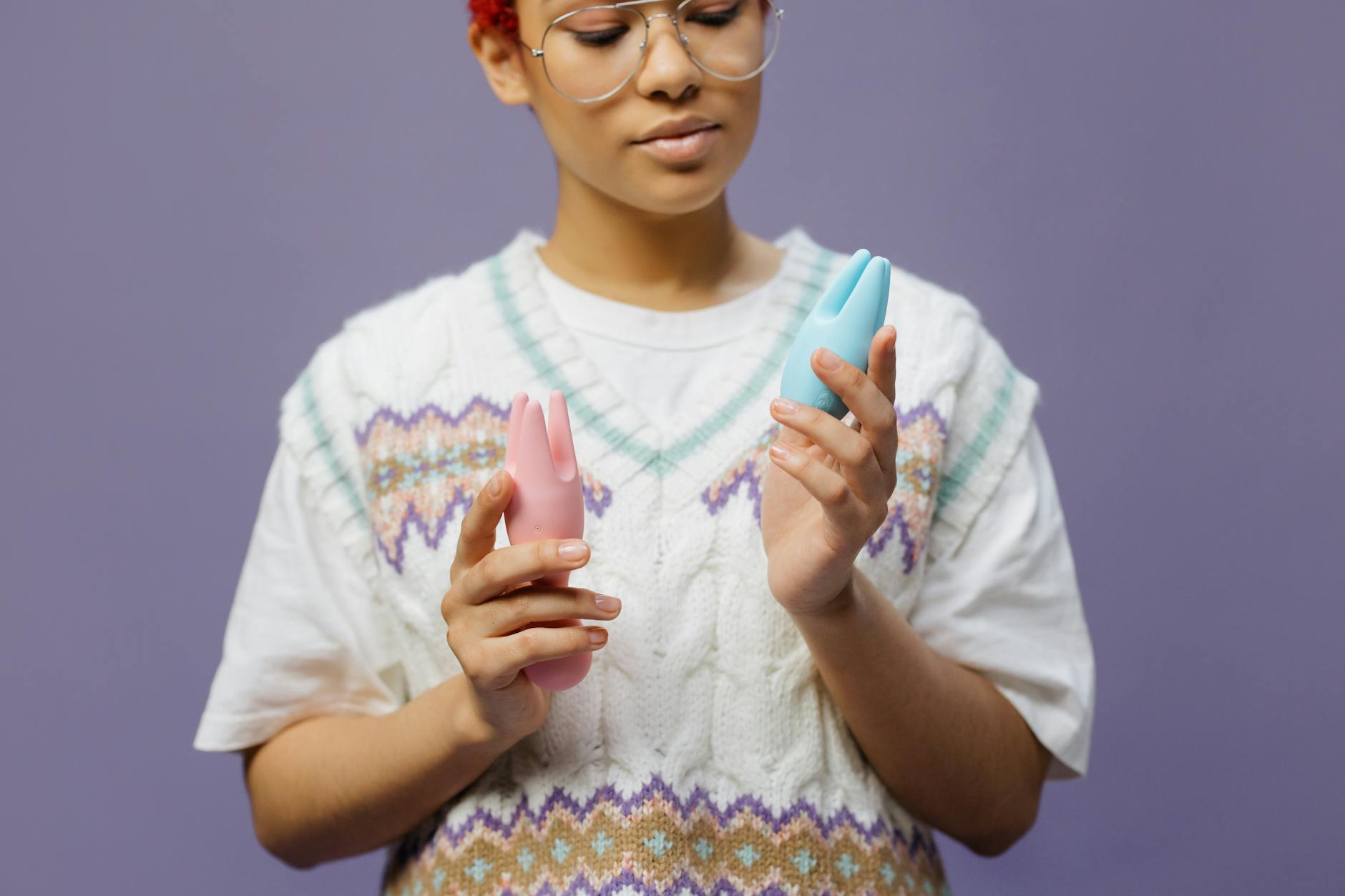
Here's the thing about sensitive skin and pleasure
If you've got reactive skin, you already know the drill. Products promise gentle, and then your skin says otherwise. Vibrators are no exception. The standard bullet or wand design relies on direct friction and high-frequency vibration patterns to build sensation. For people with sensitive or reactive vulval tissue, that's often too much, too fast, and too irritating.
But here's what changes everything: suction-based lemon clitoral vibrators work on a completely different principle. Instead of hammering at tissue with vibration, they create gentle pressure waves. The difference isn't subtle. It's the difference between scratching an itch and soothing one.
How vibration irritates sensitive tissue
Your clitoral tissue is delicate. The outer layer (epidermis) is thinner than most other skin on your body, and the vulva has a higher concentration of nerve endings. That's why it feels so good when things go right, and why friction can quickly become uncomfortable.
Traditional vibrators create irritation through three mechanisms:
Friction buildup. The vibration motor runs 80 to 10,000+ times per minute depending on the pattern. Each contact point creates tiny friction events. Over time, even with lubrication, the cumulative effect can cause sensitivity, redness, or that raw feeling afterward.
Motor heat. Many vibrators generate warmth from the motor itself. Combined with friction, this can trigger inflammation in already-reactive tissue.
Sustained pressure points. If a vibrator's head is rigid or unevenly weighted, it concentrates pressure on one spot. People with sensitive skin often find this becomes painful quickly.
None of this means you're broken. Your body is simply communicating what it needs.
Why suction feels different (and better)
Lemon clitoral vibrators use air-pulse or suction technology instead of direct vibration. Here's how it works without the irritation:
Instead of the toy itself moving rapidly against your skin, the device creates waves of gentle pressure. Think of it less like tapping and more like a soft, rhythmic caress. The stimulation happens through the tissue response to pressure changes, not through mechanical friction.
For sensitive skin, this matters enormously because:
You control the depth of suction. Most people with reactive skin find that starting at the lowest setting (often called pattern 1 or 2) and staying there feels amazing. You're not racing toward intense vibration. You're savoring gentle pressure.
There's no sustained friction point. The suction creates a seal, but the movement is internal (the tissue responds to pressure) rather than the toy grinding externally. This dramatically reduces redness and that post-session rawness.
The sensation feels different neurologically. Some people describe lemon vibrators as feeling more like a partner's touch or mouth than a traditional vibrator. That's because suction actually mimics how manual stimulation works, which is why it feels more natural to many bodies.
Material matters too
Beyond the mechanics, how a lemon vibrator is built affects sensitive skin outcomes.
Silicone is the gold standard for sensitive skin because it's non-porous (bacteria and irritants can't hide inside), hypoallergenic for most people, and smooth. Unlike harder plastics, it won't create micro-tears. Make sure any clitoral vibrator you choose is medical-grade silicone, not jelly rubber or unknown blends.
The seal system is critical. A poorly designed suction toy will leak air constantly, which wastes power and creates awkward friction. Better-designed lemon clitoral vibrators like the Lem have engineered silicone heads that create an airtight seal without being aggressive.
Edge design. Look for soft, rounded edges. Anything sharp or angular concentrates pressure and increases irritation risk.
Lubricant strategy for sensitive skin
Here's a detail that gets overlooked. With suction vibrators, your lubricant choice matters even more than with traditional vibrators because you need the seal to work.
Water-based lubricants are your friend. They're compatible with silicone, don't disrupt the seal, and won't trigger irritation. Apply generously but not so much that the seal fails completely.
Avoid oil-based lubes with silicone toys. They'll degrade the material over time. Silicone-based lubes can also damage silicone toys.
Reapply during longer sessions. Lube dries or absorbs over 15-20 minutes. If you're sensitive, fresher lubrication means less microtrauma.
Building tolerance and sensation over time
Sensitivity doesn't mean broken. It often means your body is asking you to slow down and pay attention. With a lemon clitoral vibrator, many people find their tolerance improves.
Why? Because you're not constantly irritating the tissue. After a few sessions at low-intensity suction, many people notice they can tolerate longer sessions without redness or discomfort. Some people gradually move up to higher patterns, others stay with pattern 2 and report their best orgasms ever. Both outcomes are valid.
Start with 10-minute sessions. Let your body adjust to the sensation. Many people discover that what felt weird in minute two feels incredible by minute eight.
Pay attention to patterns, not intensity alone. A particular suction rhythm often feels better than another. Experiment across the range, even if you're staying at lower power levels. The right pattern can make sensitive tissue feel incredible without any irritation.
When sensitivity is a sign of something else
I want to be clear about one thing. If you experience pain during or after using any vibrator, that's worth investigating. Sensitivity is normal. Pain is a signal.
Consider talking to a healthcare provider if:
You experience sharp, burning, or stinging sensations that don't ease after a few sessions. This could indicate an underlying skin condition, infection, or allergy.
Redness or swelling persists for hours or days after use. Mild post-use warmth is normal. Lasting irritation isn't.
You've tried water-based lubricant, started slowly, and the discomfort hasn't improved. Sometimes the issue is dermatological, hormonal, or related to pelvic floor tension. A provider trained in vulvovaginal health can help.
There's no shame in needing support. Your pleasure is worth getting right.
The bigger picture: why design matters
The reason lemon clitoral vibrators have become a go-to for sensitive skin isn't marketing. It's engineering and feedback. Suction-based design genuinely changes the experience for people whose bodies don't tolerate traditional vibrators well.
That said, not every lemon vibrator is created equal. Build quality, seal design, and material all matter. Do your research. Read reviews from people with sensitive skin specifically. A well-designed suction vibrator can feel incredible for hours. A poorly made one will frustrate you fast.
If you've avoided vibrators because friction toys left you sore, a lemon clitoral vibrator is worth trying. Start with the lowest setting, use plenty of water-based lubricant, and give yourself permission to explore slowly. Your body deserves pleasure that doesn't come with irritation.
People also ask
Can I use a lemon vibrator if I have vulvodynia or chronic vulval pain?
Lemon vibrators are often gentler than traditional vibrators because they use suction instead of friction. That said, if you have a diagnosed pain condition, I'd recommend talking to your provider before trying any new toy. Some people with vulvodynia find suction-based stimulation triggering, others find it the only thing that feels good. Your provider can help you figure out what's safe for your specific situation and may refer you to a pelvic floor physical therapist who has experience with pleasure and pain together.
How do I know if I'm allergic to silicone?
True silicone allergies are rare, but they happen. If you experience itching, swelling, or a rash during or after use, wash immediately, wait a few days, and don't use that toy again. If the reaction was mild, try a different brand (sometimes the issue is a different material or lubricant). If the reaction was intense or didn't stop, see a dermatologist. They can patch test to confirm whether it's silicone itself or something else (like a lubricant ingredient).
Will a lemon vibrator feel less intense if I have sensitive skin?
Not necessarily. Intensity and sensitivity are different things. A suction vibrator can feel incredibly intense, just differently. Instead of sharp, buzzy, or grinding, you might experience deep, pulsing, or wave-like intensity. Many people with sensitive skin find that the intensity they get from a lemon clitoral vibrator is actually more pleasurable because it doesn't come with the friction burn afterward.
How often can I safely use a lemon vibrator if I have sensitive skin?
This varies person to person. Some people use lemon vibrators daily without issues. Others need a rest day or two. If you notice redness, irritation, or that raw feeling, take a break. Listen to your body. Most people find that using a lemon vibrator 3-5 times a week, with proper lubrication and low-to-medium settings, is a sweet spot. If you're experimenting with daily use, keep sessions shorter (under 15 minutes) and monitor how your tissue responds.
Is water-based lubricant enough, or do I need something else?
Water-based lubricant is enough. Make sure it's compatible with silicone toys (the bottle will say so). Apply generously. If you find water-based lubes dry out quickly for you, you can reapply mid-session. Some people like to layer a tiny bit of coconut oil on top of water-based lube, though this requires careful cleanup. The main thing is that your tissue stays lubricated. Friction plus sensitive skin equals irritation. Lubrication eliminates most of that risk.
Can I use a lemon vibrator if I'm on topical hormones or steroid creams?
If you're using topical medications on or near your vulva, check with your provider before introducing a vibrator. Some medications make tissue temporarily more fragile. Others actually improve sensitivity. Your healthcare provider knows your specific situation and can give you a timeline. In general, it's worth waiting a few weeks after starting a new medication to see how your tissue responds before adding new stimulation.
The takeaway
Sensitive skin and pleasure aren't mutually exclusive. They just require thoughtful design and attention. Lemon clitoral vibrators exist partly because standard vibrators don't work for everyone, and that's okay. If friction toys leave you sore, if traditional vibrators trigger irritation, or if you've just always wanted something gentler, a suction-based lemon vibrator is worth exploring.
Start low, use lubrication, and give yourself time to adjust. Your body will tell you what feels right. And if you have questions along the way, don't hesitate to reach out to a provider or to Hello Nancy for support.
Your pleasure matters, and it shouldn't hurt.