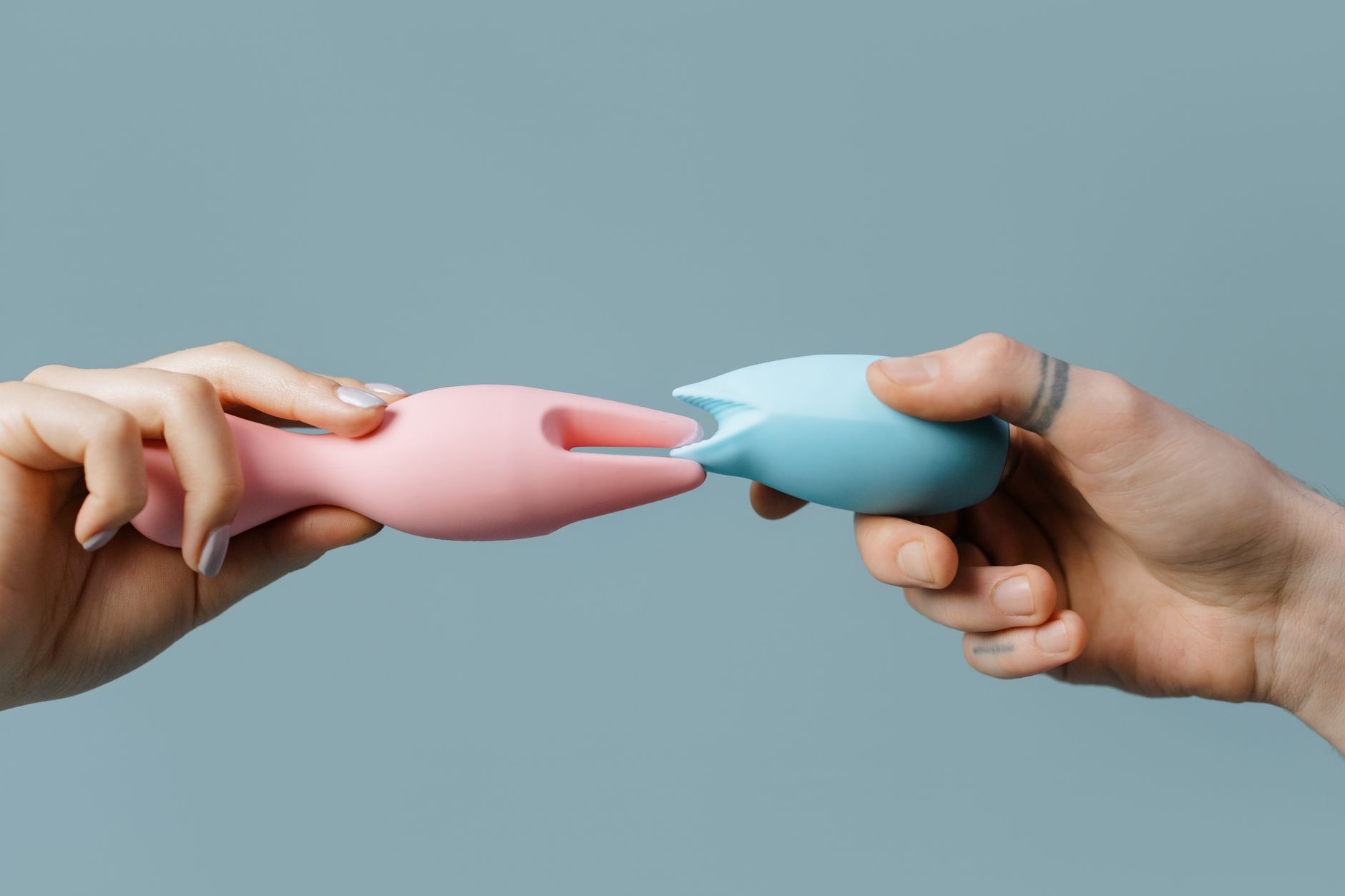
Let's talk about what happens after the novelty wears off
You've been together for years. Maybe a decade. Maybe longer. The early electric-shock phase has become something steadier, warmer, and honestly more sustainable. But somewhere along the way, the sex stopped feeling like an adventure and started feeling like something you schedule around work and laundry.
This is not a failure. It's not a sign your relationship is broken. But it is a signal that both of you would benefit from deliberate renewal.
I've worked with hundreds of couples in this exact position. The pattern is always the same: they love each other deeply, they're attracted to each other, but somewhere between kids and mortgages and the weight of routine, pleasure became something that happened to them instead of something they created together. The good news is that reintroducing novelty, especially through tools like lemon clitoral vibrators, can shift that dynamic in weeks.
Why desire actually flatlines in long-term relationships
There are three mechanisms at play here, and understanding them matters because it changes how you approach the fix.
Habituation is the first. Your nervous system gets used to the same touch, the same rhythm, the same sequence. After thousands of repetitions, your body stops registering it as "new" and starts treating it as background noise. This is neurology, not rejection.
Routine removes anticipation. When sex happens in the same place, at the same time, with the same foreplay script, your brain has no reason to build arousal beforehand. Anticipation actually matters more for desire than the act itself. When there's nothing to anticipate, desire flattens.
Boredom creates avoidance. This one's critical. Once sex feels predictable, both partners unconsciously avoid it because there's no incentive to initiate. Then avoidance becomes habit. Then habit becomes the new normal.
Lemon vibrators solve all three of these, but not because they're magic. They solve them because they're foreign. They introduce genuine novelty, which forces both partners to be present and curious instead of running on autopilot.
The psychological shift that happens first
Before the physical sensation even registers, something happens psychologically when you introduce a vibrator into a long-term sexual relationship. You're saying, out loud and through action, "I want us to keep exploring." That matters more than the vibrator itself.
I recommend having this conversation outside the bedroom and outside of a sexual moment. Sit down together, no phones, no rush. Say something like: "I've been thinking about how much I want us to stay curious about each other. I found this tool I want to try together because I think it could help us both feel more alive in this part of our relationship."
Notice what you're NOT doing: you're not criticizing, you're not suggesting they're not enough, you're not framing it as a problem. You're framing it as an investment in something you both value.
Most partners respond with relief. Many have been thinking the exact same thing and didn't know how to bring it up. Some feel a little vulnerable at first. That vulnerability is actually the gateway to deeper connection. Sit with it.
How to introduce the lemon clitoral vibrator in practice
Start slow. Not fast vibration settings, slow timing. Your first few times using a vibrator together shouldn't be about goal-driven sex. They should be about exploration.
Here's the sequence I recommend:
Session one: Get familiar with it alone first, if you want. Understand how the different settings feel. There's no pressure to use it with your partner immediately. Some people need a day or two to feel comfortable with the sensation.
Session two: Bring it into foreplay, but don't make it the main event. Use it the way you'd use your hand. Let your partner touch it. Let them choose the setting. This is about building curiosity, not achieving orgasm.
Session three and beyond: Once you're both comfortable, you can start experimenting with rhythm, timing, and what feels good. Some people find that using a lemon clitoral vibrator during partnered sex creates a whole new dynamic because it frees up attention. You're not focused on achieving orgasm through one pathway. You're creating a symphony instead of a solo.
The key distinction: you're using this to deepen what you already have, not to fix what's broken. That reframe changes everything.
What actually changes when you add novelty back in
Three things happen almost immediately.
First, you both have to pay attention again. You can't run this on autopilot. You have to be present, which means arousal actually builds instead of just... happening or not happening. This presence alone rebuilds the feeling of connection that routine erodes.
Second, you rediscover that your partner can surprise you. You might find that your partner likes something different with a vibrator than they do with your hand. You might discover preferences you didn't know existed. This discovery is the opposite of boredom.
Third, you actually increase touch frequency. This might sound counterintuitive, but couples who introduce novelty into their sex life tend to have more sex overall, not less. Because now it's interesting again. Now it's worth initiating. Now it's something you both want.
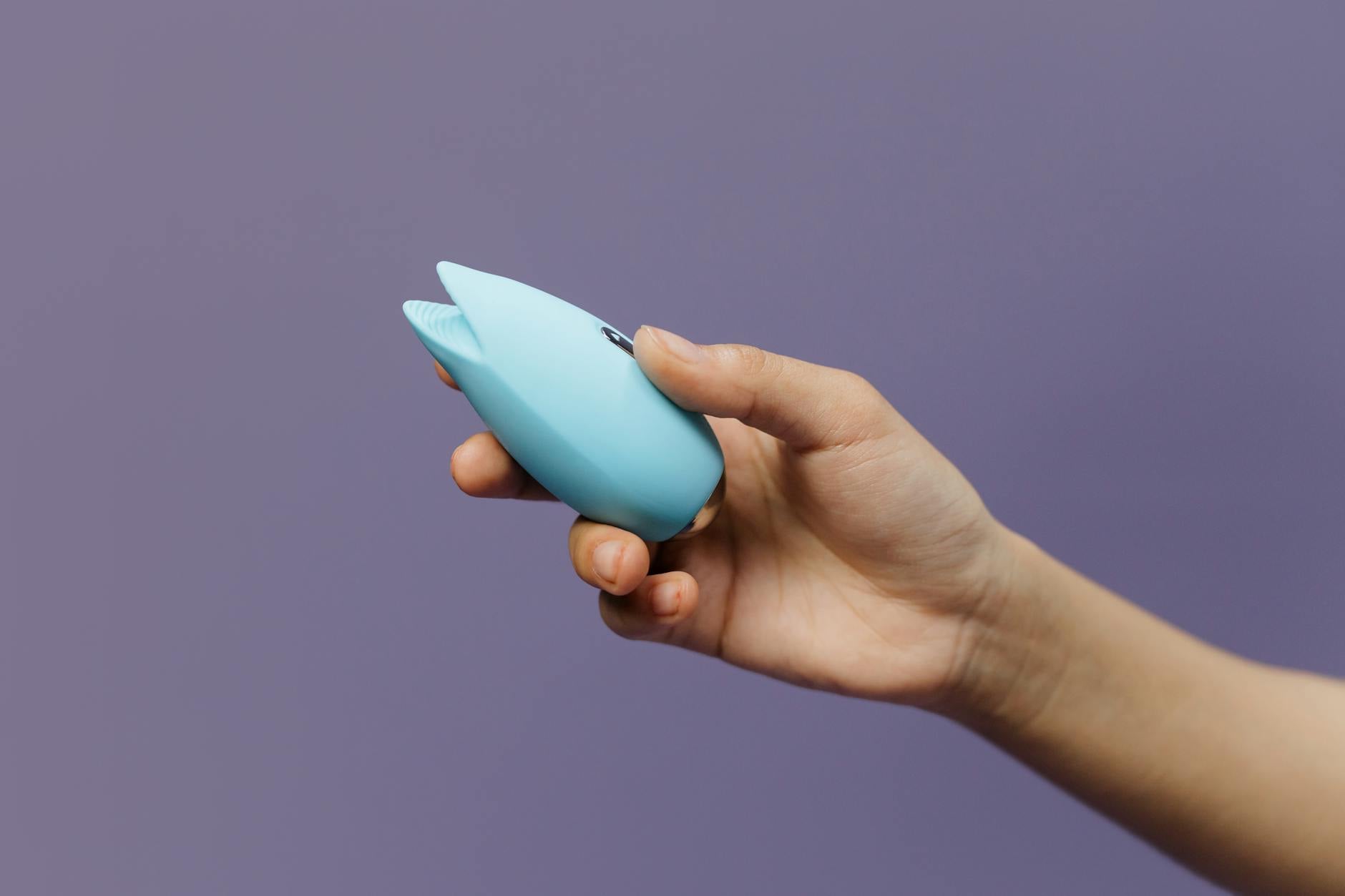
Photo by cottonbro studio on Pexels
The technical side: how lemon vibrators actually work
Lemon clitoral vibrators use suction or pulsation to stimulate the clitoris in a way that's distinctly different from manual stimulation or traditional vibrators. The sensation is often described as less overwhelming than a standard vibrator, which matters because it creates space for sensation without overstimulation.
For long-term couples, this is important. If your partner has experienced numbness or reduced sensation from years of the same stimulation, a different type of vibration can actually reset the nervous system. You're not working harder. You're working differently.
Start on the lowest setting. Let your partner guide you on intensity. One of the major differences between using this alone and using it with a partner is that your partner can communicate in real-time what feels good. This feedback loop is absent in solo play, which makes partnered use with a vibrator feel novel even if you've used vibrators before.
Timing and rhythm as foreplay
Here's something most people miss: the way you introduce the vibrator matters as much as the vibrator itself. If you pull it out mid-sex with no buildup, it can feel jarring or clinical. If you introduce it gradually, with conversation and touch happening first, it becomes part of the erotic experience instead of a replacement for it.
I recommend spending at least 15-20 minutes in foreplay before you bring the vibrator in. Touch. Kiss. Build anticipation. Then introduce it. This isn't about stretching things out artificially. It's about creating the nervous system conditions where novelty actually registers.
Many long-term couples skip foreplay because they think they don't need it anymore. Then they wonder why desire feels flat. Foreplay isn't about getting ready for sex. Foreplay is the sex. The rest is just the final note.
What to do if your partner is hesitant
Some people genuinely aren't interested in toys, and that's okay. But hesitation isn't the same as disinterest. Hesitation often comes from embarrassment, worry about feeling inadequate, or just unfamiliarity. Those things can shift with time and communication.
If your partner is hesitant, don't push. Instead, ask questions. "What are you worried about?" Listen without defending. Often the worry is something simple like "I'm worried it means you're not satisfied" or "I'm worried it will feel weird." Those are solvable problems with conversation.
You can also mention that introducing a lemon clitoral vibrator isn't about replacing them. It's about expanding the toolkit. A vibrator is a tool, like a feather or massage oil. It doesn't replace intimacy. It's a context for intimacy.
If your partner remains uninterested, respect that. But you might also explore whether the hesitation is really about the vibrator or about something deeper in the relationship that needs attention. Sometimes flatlined desire points to communication problems or emotional distance that sex toys can't fix. That's worth addressing with a therapist if needed.
When to expect the shift
Most couples notice a difference within 2-3 weeks. Not just in the quality of sex, but in how they feel about each other. Anticipation returns. Inside jokes appear. There's a sense of playfulness that usually disappears over time.
Some couples report that just having the conversation about wanting to reignite things shifts the dynamic before the vibrator even shows up. That's the power of signaling that you're invested in this part of your relationship.
If you're not noticing a shift after a month, it might be worth checking in. Is there something else going on emotionally? Is one partner still hesitant? Is the timing never right? These are all solvable, but they need to be named.
The long game: keeping novelty alive
This isn't a one-time fix. Novelty is like a garden. You have to tend it. But you don't have to tend it constantly. Small choices, made regularly, keep desire alive over decades.
That might mean trying different settings on the vibrator. It might mean changing the context. It might mean taking your time and presence into the bedroom as seriously as you take your time and presence into date night.
I also recommend checking in with each other every few months. "How are we feeling about this part of our relationship?" Ask it like you'd ask about anything else important. This signals that desire matters, that it's not something that happens to you but something you actively choose to cultivate.
One more thing: pleasure is one of the healthiest, most underrated maintenance systems a long-term relationship has. When you're having good sex, you're more patient, more generous, more forgiving of each other's flaws. You're also more interested in the other person. Protecting this part of your relationship isn't frivolous. It's foundational.
People also ask
How often should we use a lemon clitoral vibrator if we're trying to rebuild intimacy?
There's no magic frequency, but I recommend starting with once every 7-10 days. This keeps it novel without making it feel pressured or routine. As you get more comfortable, you might use it more often, or you might keep it special. Neither is right. What matters is that both partners feel enthusiastic about it. If you're using it more than your partner wants, dial it back. The moment it feels like obligation, it stops working.
Will a vibrator make my partner feel inadequate?
Sometimes, at first. That's why the conversation before you introduce it matters so much. Be explicit: "This isn't about you not being enough. This is about us staying curious together." Most partners feel relieved when they realize you're inviting them into something exciting rather than suggesting they're failing. The vibrator is a tool you're using together, not a replacement for them. Framing matters.
What if the vibrator doesn't create the orgasm my partner was hoping for?
Orgasm isn't the only measure of success when you're rebuilding connection. Sometimes the win is that you both felt present together. Sometimes it's that you laughed. Sometimes it's that you tried something new and it created conversation afterward. If orgasm is the only goal, you've missed the actual goal, which is rebuilding desire and curiosity. That said, if your partner isn't having orgasms at all, that's worth exploring with a healthcare provider. But in the context of long-term couples, the shift is usually about presence and novelty, not the ability to climax.
Is it too late to rebuild this if we've been disconnected for years?
Not at all. I've worked with couples who were disconnected for five, ten, even fifteen years who rebuilt genuine passion. But it requires both people to be willing. If only one partner wants to reconnect, that's a bigger conversation, possibly with a therapist. If both partners want it, even a little bit, novelty and presence can absolutely shift the dynamic. Start small. Be patient. This isn't about forcing passion. It's about creating conditions where passion can return naturally.
Can we use lemon vibrators if one partner has pain during sex?
Maybe, but that's a separate issue that deserves attention first. Pain during sex usually signals something physical or emotional that needs care. See a healthcare provider or pelvic floor physical therapist before introducing a vibrator. Once you've addressed the pain, a vibrator might actually help rebuild comfort and pleasure. But introducing it while there's pain might reinforce the association between sex and discomfort. Get the foundation right first.
How do I know if my partner is actually interested or just doing this for me?
Ask. Ask directly, outside the bedroom. "Are you genuinely excited about this or are you doing it to make me happy?" Real answer: it's okay if the answer is "a little of both." But if it's entirely one-sided, that's information. Your partner might warm up over time. They might need more conversation. They might genuinely not be interested, which is information you need. The goal is collaboration, not performance.
The bottom line
Long-term relationships don't fail because passion fades. They fail because couples stop tending to passion once it becomes work instead of automatic. Introducing something like a lemon clitoral vibrator isn't about magic. It's about saying, explicitly and through action, that desire matters. That your partner matters. That this part of your relationship is worth investing in.
The vibrator is just the vehicle. The real work is the presence, the curiosity, and the willingness to stay interested in each other. Everything else follows from that.
If you're ready to explore this but not sure where to start, reach out. Whether you need to talk through the conversation first or you're ready to dive in, contact us. We're here to help you rebuild what brought you together in the first place.