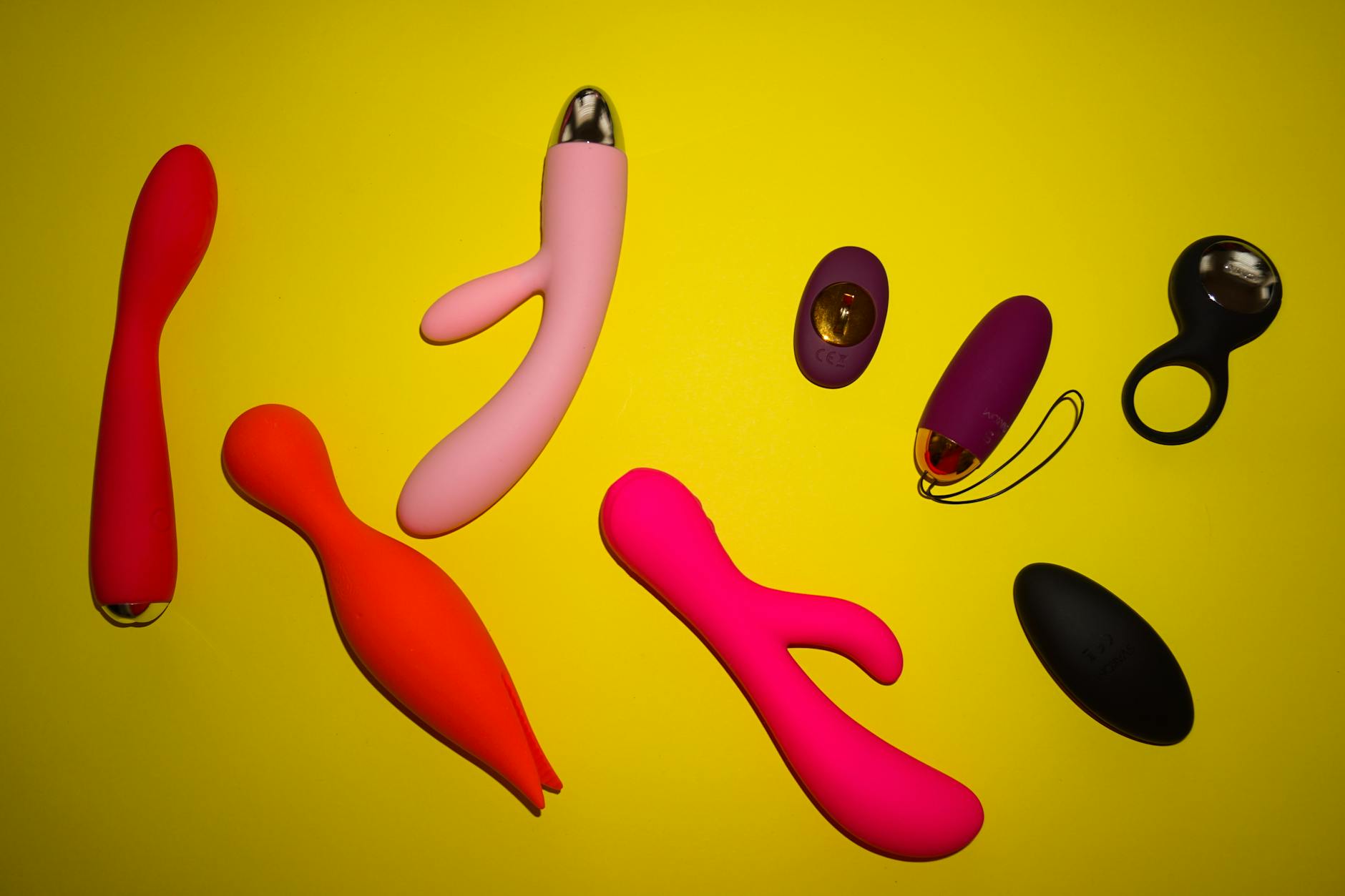
Here's what numbness actually is.
Let's be real. When sensation fades, it's easy to assume something is permanently broken. It's not. Numbness in the vulva and clitoris happens for predictable reasons. Overuse without breaks, sustained pressure from the wrong tool, certain medications, hormonal shifts, anxiety, or even just years of the same stimulation pattern can dull nerve response. The good news? Nerves recover. It takes intention and the right technique, but sensation comes back.
I work with people on sensation recovery regularly. The shift from "I can't feel anything" to "Oh, there it is" usually takes between three and eight weeks with consistent, thoughtful practice. The key is understanding that you're not waking up dead tissue. You're waking up tired nerves that need variety, rest, and patience.
Why numbness happens (and why it's fixable)
Your clitoris contains roughly 8,000 nerve endings. When you use the same stimulation pattern for years, or when you use intense vibration every single day, those nerves stop responding as sharply. It's not nerve damage. It's nerve fatigue. Think of it like listening to the same song on repeat until you stop hearing the melody.
Three main culprits show up repeatedly in my practice:
Desensitization from overuse. Daily vibration without breaks teaches your nervous system to ignore the signal. After three months of constant use, many people notice diminishing returns.
Wrong pressure or pattern. Some vibrators apply relentless, high-amplitude buzz that numbs the area temporarily, similar to how your leg falls asleep. Once you stop, sensation returns, but if it's your primary tool for years, the recovery takes longer.
Stress and disconnection. Anxiety literally dampens nerve sensitivity. Your body prioritizes survival signals over pleasure signals when you're stressed. If numbness arrived alongside grief, relationship tension, or burnout, the mental state is part of the puzzle.
The beautiful part? You don't need surgery or medication to fix this. You need rest, variety, and tools designed to communicate with your body gently. Lemon vibrators, with their suction-based design, are actually ideal for this work because they stimulate without the abrasive buzz that originally caused the fatigue.
The reset protocol: how to start rebuilding
Here's the framework I recommend.
Week one through two: touch only, no vibration.
Take two weeks completely away from vibrators. Use fingers, warm water, maybe a soft cloth. The goal isn't orgasm. It's reintroduction. Spend ten to fifteen minutes three times a week just noticing what you can feel. Does warmth register? Does light touch? Does pressure? You're gathering data, not forcing sensation.
Week three: introduce low-intensity vibration.
Start with the Lem on its lowest setting. Lemon clitoral vibrators are perfect here because suction distributes stimulation across the whole clitoral region rather than targeting one spot with brutal force. Use it for no more than five minutes. If it feels good, stop. The temptation is to chase sensation, but numbness recovers faster when you undershoot. Less is more.
Week four onward: vary the pattern.
If sensation is returning, now you add variation. Alternate between lowest and medium settings. Change the duration. Use it every other day, not daily. Introduce pauses. Some days, use fingers for ten minutes, then the Lem for three. The unpredictability tells your nervous system "pay attention, something different is happening."
What you'll actually feel (and what's normal)
During week three or four, you might notice something that feels almost uncomfortable. A prickling, a dull ache, or a sensation that's there but muted. That's normal. Your nerves are waking up, and they're rusty. It's not pain, but it might feel weird because it's unfamiliar. This is progress. Sit with it for thirty seconds, breathe, then stop.
Some people also experience a phenomenon called "ghosting." You feel the vibration, but the pleasure signal doesn't connect. Your clitoris registers the input, but it doesn't translate to pleasure. This is actually a sign that nerve recovery is underway. Your sensory pathways are rebooting. Usually within two to three more weeks, the pleasure signal catches up.
Partner communication during recovery
If you have a partner, tell them what's happening. "My body is learning to feel again, and it's going to be slower and quieter than before for a little while." This sets expectations and prevents them from internalizing the slowness as rejection.
The best partners during this phase are curious and patient. They ask questions. "Does this feel better?" "Should I try something different?" They don't push. They don't perform a rescue operation. They show up with genuine interest in your reconnection, not anxiety about their own performance.
The tools that work best
Lemon sexual toys are excellent for this work because the suction-based design mimics the way your body naturally responds to stimulation. It's not a harsh, all-or-nothing buzz. It's a rhythmic pressure that builds sensation gradually. The Lem's design means you can start at the gentlest setting and still access multiple patterns, so you have room to escalate without jumping to intensity too quickly.
Avoid going back to whatever caused the numbness in the first place. If you spent five years using a high-powered buzz vibrator every day, don't return to it once sensation comes back. Build a rotation. Some days the Lem, some days fingers, some days a wand on its lowest setting. Your nervous system needs novelty, not habit.
When to expect real progress
Week three is when you usually notice the first shift. A moment where something registers more clearly than it did in week one. It might be tiny. You might feel warmth you didn't notice before. By week six, if you've stuck with the protocol, most people report measurable sensation return and the beginning of pleasure again.
By eight weeks, you're usually back in the game. Not necessarily as intense as it was before (and honestly, that's not the goal). The goal is presence. Feeling your body again. Knowing that your clitoris is responsive and that your nervous system is cooperative.
One thing to avoid
Don't test yourself. Don't go a month without vibration, then buy the most intense lemon clitoral vibrator you can find and try to have the biggest orgasm possible. That's how numbness returns. Progress isn't linear, and pushing hard undoes weeks of gentle work.
Trust the slowness. Your body isn't lazy. It's healing. That's harder, not easier.
FAQ: Questions people ask about sensation recovery
How do I know if I'm making progress if I can't feel much?
You're making progress if you notice any change at all, even something that feels small. Can you feel temperature that you couldn't last week? Can you locate sensation more precisely? Is there any pleasure, even faint? That's progress. Write it down so you can look back and see the trajectory. Your nervous system is slower than you'd like, but it's moving.
Can I use lemon sexual toys while I'm recovering, or do I need to wait until sensation comes back?
You can use them immediately, but only at the lowest settings and only for brief periods. Think of it like physical therapy. You don't wait until your leg is strong to start exercising it. You use gentle movement to help it recover. Same logic. Start low, start short, escalate only if sensation is returning.
If I had numbness from a specific vibrator, can I ever use it again?
Probably not as your primary tool. Once sensation returns, you can experiment, but be cautious. The reason it caused numbness in the first place is usually that its pattern or intensity was too much for sustained use. You can probably use it occasionally as part of a rotation, but not daily. Variety is what keeps sensation alive.
My partner thinks my numbness is about them. How do I explain it's physical, not emotional?
Be direct. Say something like: "My body went numb from overuse, the same way your hand falls asleep if you hold it in one position. It's not about you or how I feel about you. It's about my nervous system needing a reset." Then show them the recovery protocol. Invite them to be part of the solution, not part of the problem.
How long does sensation recovery usually take?
Three to eight weeks is typical if you're consistent. Some people recover in three weeks. Others take longer, especially if numbness was caused by medication or hormonal changes alongside physical overuse. Stay patient with yourself. Healing isn't always fast, but it's real.
Should I see a doctor about numbness before trying this at home?
If numbness came on suddenly or is paired with pain, absolutely see a doctor first. Rule out nerve injury or other medical causes. If it developed gradually over months or years and feels more like fading sensation than sharp dysfunction, the reset protocol usually works. When in doubt, call your gynecologist. They've heard this question hundreds of times.
You're not broken
Sensation recovery is one of the most rewarding things I witness in my practice. People who thought they'd lost touch with their bodies permanently rediscover it. The pleasure doesn't always roar back the same way it left. Sometimes it's quieter, slower, more intentional. And honestly? That's often better. You're more present. You're paying attention. Your body isn't an automatic machine. It's a conversation.
Start with two weeks of touch and rest. Move to the Lem on the lowest setting. Add variation. Be patient. Within two months, you'll be in a completely different place than you are now. That's not hope. That's physiology.
If you'd like support navigating this transition with a partner or just want to talk through your specific situation, reach out to us. Sometimes the hardest part isn't the technique. It's knowing you're not alone in this.