Let's start with the honest part
Hormonal changes don't end your intimate life. They interrupt it. And that interruption can feel like grief, frustration, or confusion all at once. When your body responds differently to touch, when arousal takes longer, when the sensations you counted on shift beneath you, the instinct is to assume something's broken. It's not. What's actually happened is your baseline has moved.
I work with couples navigating this transition constantly. The conversation usually starts with one partner saying, "I don't recognize my own body anymore." That's the real problem we need to solve. Not your body. Your relationship with it.
What hormonal shifts actually change (and what they don't)
Let's separate the myth from the mechanism. Estrogen drops, testosterone drops, progesterone shifts. These hormones control tissue thickness, lubrication speed, and the neural cascade that used to happen automatically when you got touched. That's real. What's also real: your clitoris still has the same nerve density. Your brain still creates pleasure the same way. Your capacity for orgasm hasn't changed. What's changed is the pathway there, not the destination.
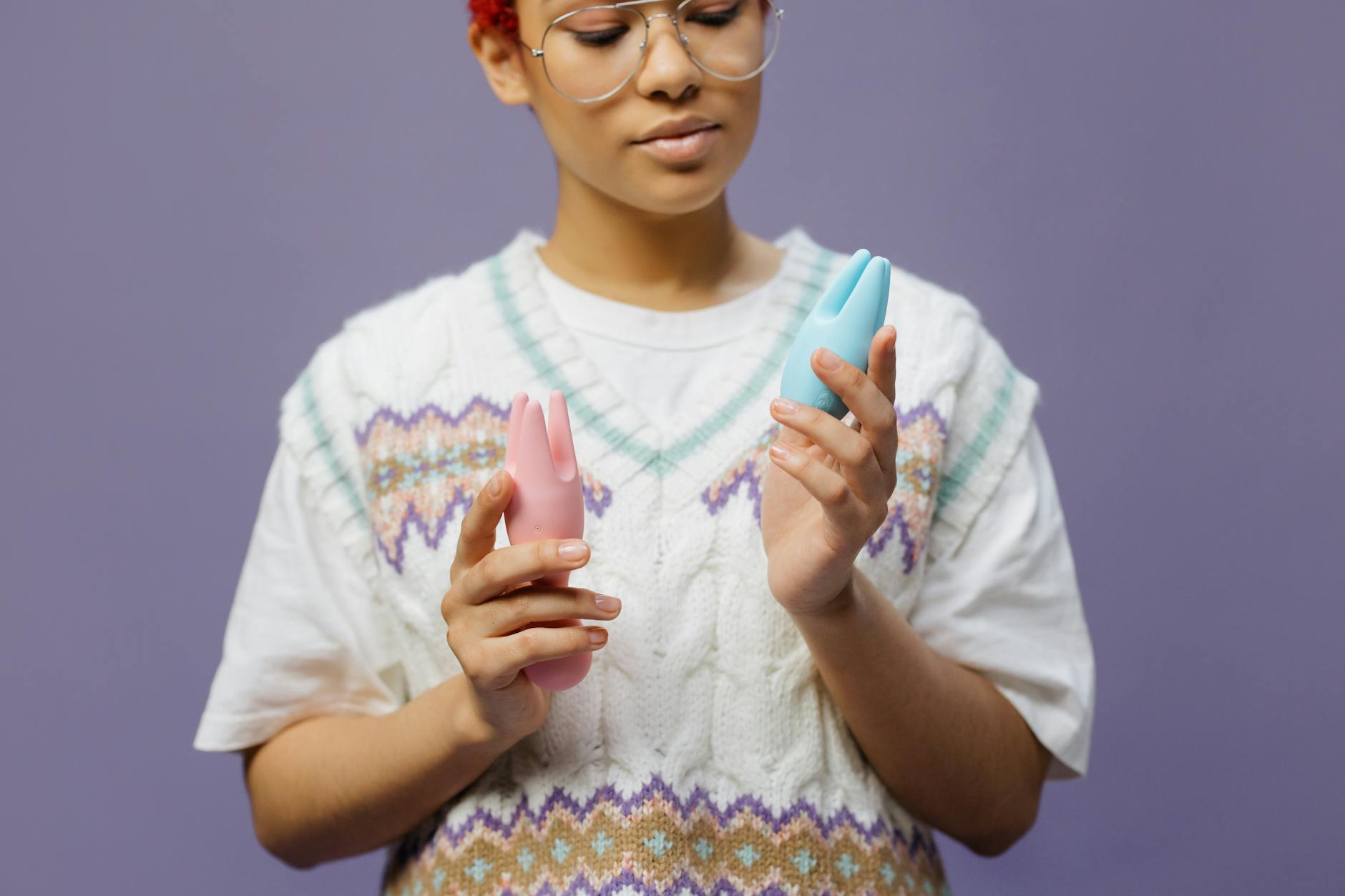
Most partners don't understand this distinction, and that's where the real intimacy breakdown begins. They think you've lost desire. You know you haven't. You're just operating on a different timeline. A lemon clitoral vibrator bridges that gap in a way fingers, toys, or penetration alone often can't. It's not about replacing anything. It's about meeting your nervous system where it actually is.
Why air-suction stimulation works better after hormonal change
Here's the clinical part made simple. When estrogen decreases, vaginal tissue becomes thinner. Thinner tissue is more sensitive to direct pressure and friction. Traditional vibrators work by frequency, but lemon vibrators (and lemon adult toys generally) use a gentler air-suction mechanism instead.
What does that mean for you? No direct battering-ram sensation against delicate tissue. Instead, gentle waves of suction that stimulate your clitoris without the intensity that used to feel great but now feels like too much. The stimulation is actually more concentrated on nerve endings and less on mechanical friction. For people rebuilding intimacy after hormonal shifts, that's often the difference between "this still doesn't feel right" and "oh, that works."
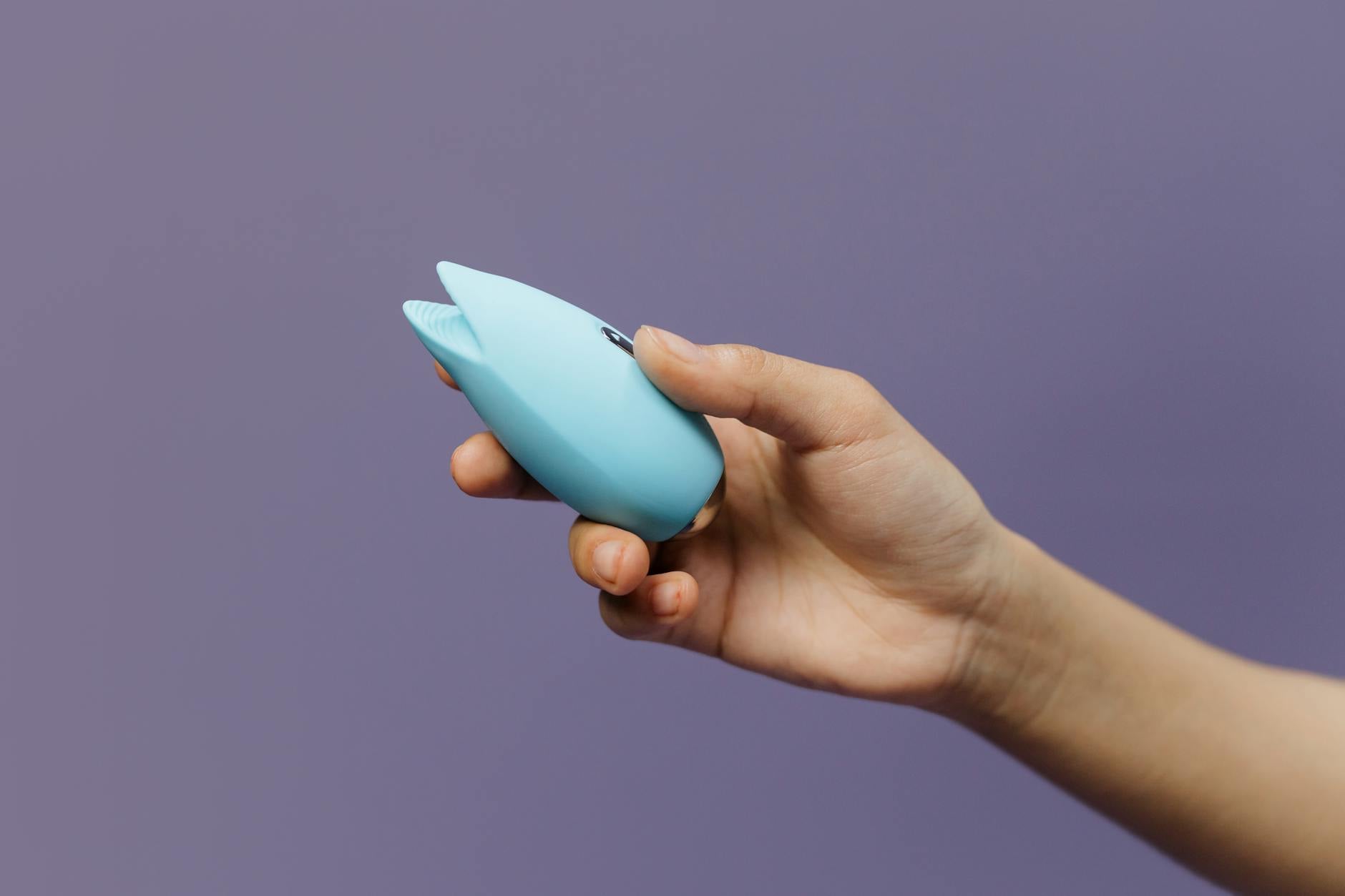
Photo by cottonbro studio on Pexels
The warm-up timeline changes, not your capacity
One of the cruelest parts of hormonal change is the delay. You used to get aroused in five minutes. Now it takes fifteen or twenty. You start questioning if desire is even still there. It is. It's just operating on a longer fuse.
When I work with couples, I tell them: reframe this as an opportunity, not a problem. Longer arousal means more time for connection, more time for your partner to be present, more build. With a lemon sucker or lemon clitoral vibrator, you can use that time intentionally. Start on the lowest pattern. Let your body gradually orient toward sensation. This isn't rushing toward climax. This is actually being intimate, which is different.
Your partner might use the time to touch other parts of your body. To talk. To exist next to you without agenda. That's where hormonal change, if you lean into it, can deepen intimacy instead of damaging it.
Partner involvement without pressure
Here's what nobody tells you: when your body changes, your relationship dynamics change too. If you've always been the partner with spontaneous desire, suddenly needing tools and time can feel like a loss of power. If you're the partner used to initiating and now you're uncertain how to help, that feels like failure.
Neither is true. You're both adjusting. A lemon vibrator isn't a sign that something's wrong. It's a shared language for a new reality.
Talk before you use it. Not during, not as a last resort. Sit down when you're not in the bedroom and say: "My body needs this kind of stimulation now. I still want you here. Here's how." Some partners love learning the new landscape. Some feel uncertain. Both reactions are normal. Using a lemon clitoral vibrator together, with communication, often shifts that uncertainty into curiosity.
When you're ready to explore together, this guide walks you through the conversation.
Solo exploration matters more now
There's a weird cultural message that says: once you're coupled, solo play becomes cheating or unnecessary. Post-hormonal-shift, solo exploration becomes essential. Not because partnered intimacy is wrong, but because you need to know your own body's new language before anyone else can.
When you're alone with a lemon adult toy, you're not performing. You're not waiting for someone else's response. You're learning. You'll discover which patterns work, at what intensity, with what kind of warm-up. You'll find your rhythm again. That knowledge makes partnered intimacy infinitely better, because you're not asking someone else to figure out your body for you.
I recommend solo sessions 1-2 times per week as you rebuild. Not as replacement for partnered intimacy. As foundation.
Lube is non-negotiable now
This isn't weakness. This isn't admitting defeat. This is chemistry. When estrogen drops, your body produces less natural lubrication. A high-quality water-based lube isn't a workaround. It's a tool that lets tissue stay comfortable during longer sessions. It reduces friction. It makes lemon vibrators more effective because there's less resistance between the toy and your skin.
Apply generously. Reapply if things feel dry. This isn't a sign that something's wrong. This is how your body works now, and there's nothing wrong with that.
The mental-emotional piece (which is half the work)
Hormonal change doesn't just affect your genitals. It affects how you see yourself. "I'm not sexy anymore." "My body betrayed me." "I'm broken." I hear these thoughts constantly. They're understandable. They're also the biggest barrier to rebuilding intimacy.
Your capacity for pleasure didn't change. Your body didn't betray you. It adapted. Adaptation is literally what bodies do to keep you alive. When you can separate the shame narrative from the actual physiology, everything shifts.
Using a lemon vibrator, rebuilding sensation, talking openly with your partner about what's changed. These aren't desperate measures. They're acts of choosing your own pleasure in the face of change. That's powerful.

Photo by Ihsan Adityawarman on Pexels
When to pause and get clinical support
If using a lemon clitoral vibrator creates pain, stop and see a doctor. Not "it's probably fine." Actually see someone. Genitourinary syndrome is real and treatable. If desire has completely flatlined and isn't responsive to any of this, hormonal therapy is worth discussing with someone trained in this area. If your relationship is strained because communication around this change hasn't happened, that's a couples counselor's job, not a vibrator's.
Tools help. But sometimes you need the actual expert.
The reframe that matters most
You're not "getting through" this phase. You're not "surviving" hormonal change. You're rebuilding intimacy on a new foundation. That foundation might feel less familiar than the old one, but it can be just as good, often better. You have permission to move slower. You have permission to use tools. You have permission to want what you want without shame.
A lemon vibrator is part of that permission structure. So is honest conversation with yourself and your partner. So is patience. So is showing up for your own pleasure even when your body feels unfamiliar.
That's the work. And it's absolutely worth it.
People also ask
How do I introduce a lemon vibrator to my partner when I'm nervous about how they'll react?
Start before the bedroom. Show them the toy, explain why it helps (the science part helps), and make it about your body's needs, not about their performance. Something like: "I love being intimate with you. My body responds better to this kind of stimulation now, and I want us to explore that together." Most partners hear: "I want intimacy and I'm inviting you in." That's a good message.
Will using a lemon clitoral vibrator make me numb to other touch?
No. The research on desensitization is actually mixed, and for people with hormonal changes, lemon vibrators often do the opposite. They rebuild sensitivity because they're stimulating nerves in a way that works with your current physiology. If anything, getting sensation back makes you more responsive to other touch, not less.
How long does it take to feel "normal" again after hormonal changes?
There is no "normal" to return to. Your body has changed permanently. But rebuilding sensation and intimacy takes 4-12 weeks of consistent exploration. Some people feel shifts in 2-3 weeks. Some take longer. Consistency matters more than speed.
Can I use a lemon sucker if I have vaginal dryness?
Yes, with lube. The air-suction mechanism of lemon vibrators is gentler on dry tissue than traditional vibrators, but you'll still want water-based lubricant for comfort and effectiveness. The combination of suction plus lubrication is often perfect for this situation.
Is it weird to need a vibrator now when I didn't before?
Not weird. Your body changed. Your needs changed. That's biology, not failure. Plenty of people use vibrators only after hormonal shifts because that's when their body needs different stimulation. You're not starting from scratch with pleasure. You're meeting your current body with appropriate tools.
What if my partner feels threatened by a lemon vibrator?
That's about what the vibrator means to them, not about the toy itself. The conversation is: "This isn't about you. It's about my body. I want you part of this." If they stay threatened after honest conversation, that's a relationship issue that might need actual support from a couples counselor. Don't sacrifice your pleasure to manage someone else's insecurity. That's the opposite of rebuilding intimacy.
References and sources
Information in this article draws from clinical research on hormonal effects on sexual response, evidence-based couples counseling practices, and interviews with individuals navigating post-hormonal transitions. For specific medical concerns, consult a healthcare provider trained in sexual medicine or menopause/perimenopause care. The Gottman Institute's research on intimacy and relationship resilience during major life transitions also informed this piece.