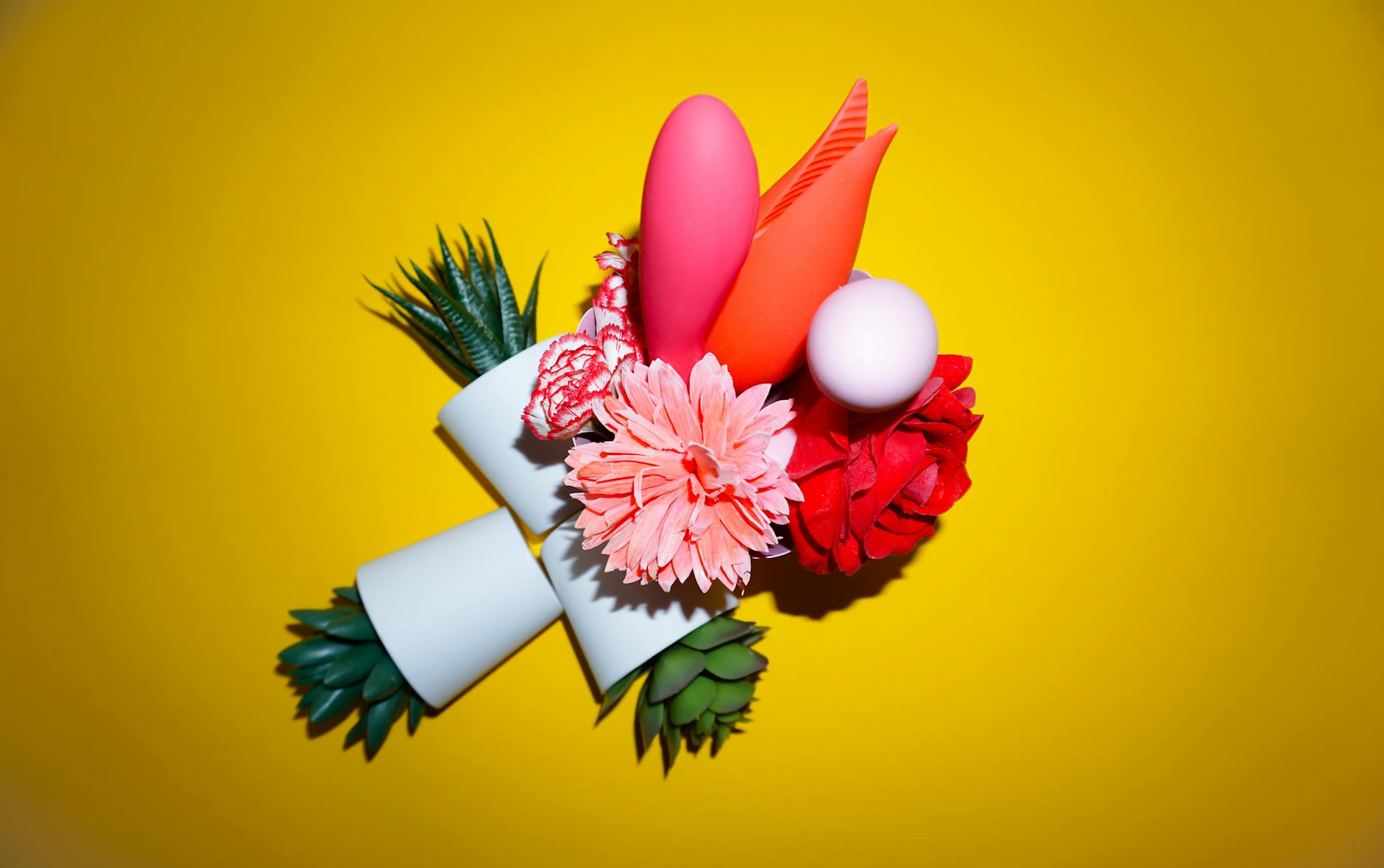
The mismatch nobody talks about
Here's what happens: you discover lemon vibrators, fall in love with how suction feels, and assume your partner will too. Then they try it and feel nothing. Or they hate the intensity. Or they want something buzzy instead. Now you're stuck with a tool that works perfectly for one person and leaves the other cold.
This isn't a compatibility problem. It's a mismatch in sensation preference, and it's incredibly common. I see this dynamic in about half the couples I work with who introduce toys into their intimate life. The good news is that it's completely solvable if you approach it the right way.
Why lemon vibrators feel so different to different people
Clitoral suction (the tech behind lemon vibrators and similar devices) works by creating rhythmic pressure waves rather than traditional vibration. For some people, this hits a nerve cluster perfectly and feels intensely pleasurable. For others, it feels weird, too broad, or not stimulating enough.
The variation comes down to a few factors:
Clitoral anatomy. Everyone's clitoris is shaped differently. The hood, the glans, the distance from the urethral opening. All of this changes which sensation registers as pleasure versus irritation. Someone with a larger, more exposed glans might prefer direct vibration. Someone whose clitoris sits deeper might find suction perfect because it doesn't require direct contact.
Nerve sensitivity. Pleasure sensitivity isn't the same as touch sensitivity. Your partner might have very sensitive skin but still prefer intense, buzzy stimulation over gentle suction. Or vice versa. These aren't connected in the way people think.
Learned preference. If your partner has spent years reaching orgasm a certain way (vibration, direct pressure, penetration, mental focus), that pathway is carved into their nervous system. A lemon vibrator, even if it would theoretically feel amazing, might not register as arousing because it's unfamiliar.
The conversation that needs to happen first
Before you pull out a toy, you need to actually talk about what you each want. Not in a pressuring way, and not as a negotiation where someone wins. This is information gathering.
Ask specific questions:
- What does good stimulation feel like for you? (Buzzy, pulsing, constant, varied intensity?)
- What intensity level gets you there? (Gentle, medium, intense?)
- Do you like direct pressure on the clitoris or indirect stimulation around it?
- Have toys worked for you in the past? Which ones, and what did you like about them?
- Are there sensations that feel uncomfortable or distracting?
The point here is to collect data, not to convince them that lemon vibrators are the answer. Maybe they'll describe something that sounds exactly like what suction delivers. Maybe they'll describe something completely different. Either way, you now have real information instead of assumptions.
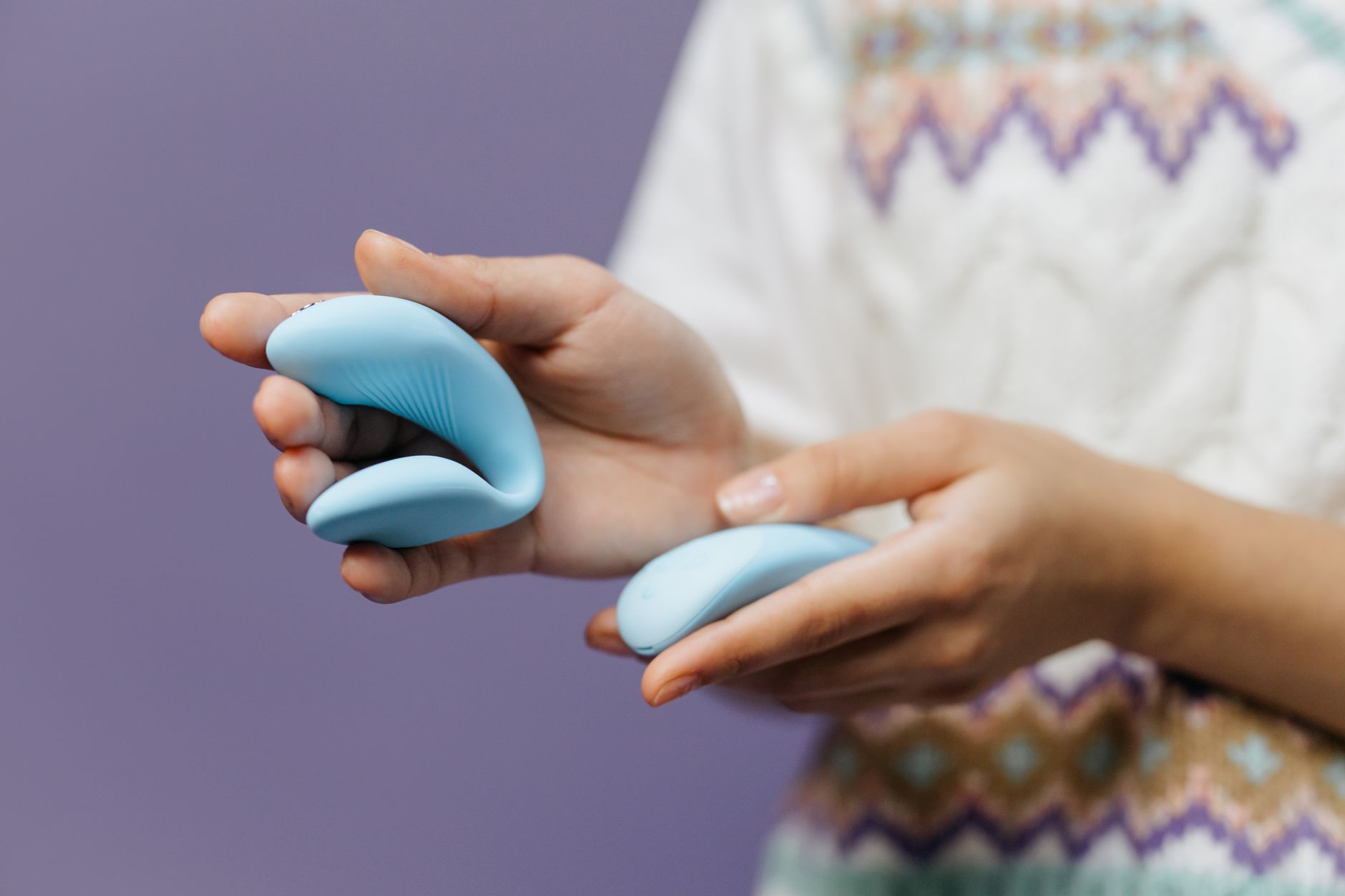
Photo by cottonbro studio on Pexels
When you love clitoral suction and they don't
If you're the one who loves lemon vibrators and your partner isn't interested, resist the urge to explain why they should like it. Instead, ask: what would make this feel good for you?
Here are a few approaches that work:
Start with sensation, not the toy. Use your hand or fingers first. Ask them what pressure, rhythm, and location feels best. Once you have that mapped, then explore whether a toy enhances it. Sometimes the toy is unnecessary. Sometimes it adds to something that already works.
Try it on them while they're already aroused. A lemon vibrator feels completely different when blood is already flowing to the area. If your partner has tried it while not particularly turned on, the sensation might've felt like nothing. Try again when they're already mid-arousal and ask for feedback.
Introduce variety within the experience. Maybe they won't love suction on its own, but they might enjoy it as part of a longer sequence. Suction for a minute, then you switch to fingers, then back. This keeps the nervous system engaged and prevents the boredom that comes from one repeated sensation.
Accept that they might prefer penetration or another toy entirely. A lemon vibrator isn't the right tool for everyone, and that's okay. If your partner is consistently not into it, pushing harder won't change that. It will just create resentment. Ask what would feel good instead and explore that together.
When they love it and you're less sure
The reverse scenario is equally common. Your partner discovers lemon vibrators and wants to use them every time. You're not opposed, exactly, but you're not as excited. You might feel pressure to perform enthusiasm, or you might feel left out of the experience.
First, communicate what you're actually feeling. "I'm not as into this as you are" is a complete, honest sentence. It's not a rejection of your partner. It's information.
Then, explore what would work better for you. This might mean:
Using the toy on them while focusing on your own pleasure separately. Maybe you use your lemon vibrator on them while they use fingers on themselves. You're together, you're present, but you're both getting what works for your body.
Having them use it on you at lower intensities or in different ways. If suction doesn't appeal to you, ask them to focus on other areas. Or ask them to use it in short bursts rather than continuous stimulation. Small tweaks sometimes make the difference between "not my thing" and "actually kind of nice."
Taking turns with focus. One session is all about their pleasure and what they love. The next session is all about you and what works for your body. This removes the pressure to both want the same thing simultaneously.
Keeping the toy in the drawer sometimes. If every sexual experience includes the lemon vibrator, you might start associating it with obligation rather than pleasure. Using it sometimes, not always, keeps it feeling special.
The couples framework that actually works
Here's what I tell couples in my practice: pleasure compatibility is not about wanting the exact same things. It's about each person feeling safe enough to ask for what they need and confident enough to support their partner's needs even if they're different.
That means:
1. Separate sessions from shared sessions. It's okay to have solo pleasure time where you use your lemon vibrator exactly how you want. It's also okay to have partnered time where you're both present but each getting stimulation that works for you. Neither is better. Both matter.
2. Check in regularly without pressure. "Is this still working for you?" is not an accusation. Preferences shift. What felt amazing last year might not hit right now. What felt weird six months ago might suddenly feel perfect. This isn't failure. It's information.
3. Solve for curiosity, not compromise. If your partner loves suction and you don't, the goal isn't to find a middle ground where you both like it a little. The goal is for each of you to fully understand and respect what the other wants, and then to engineer situations where you can both have that.
4. Remember that your pleasure is separate from theirs. Your job is not to want what they want. Your job is to want what you want and to trust that wanting different things doesn't diminish the relationship. In fact, it usually strengthens it because you're both giving rather than both suffering.
What it looks like in practice
Let me walk through a realistic example: one partner adores their lemon vibrator. The other partner prefers sustained, intense vibration on low speeds.
They could:
Use both toys together. One person uses their lemon vibrator while the other uses a different clitoral vibrator. They're in the same bed, same experience, different sensations.
Alternate focus. This week, they prioritize suction and what makes that partner feel good. Next week, they focus on vibration. Both people get their ideal sensation in rotation.
Combine techniques. Maybe suction works best as foreplay, then switches to vibration for the final push. Or vibration first, then suction as variation. Different strokes, literally.
Accept solo sessions. If one partner really wants lemon vibrator pleasure and the other doesn't, there's no law saying you have to do everything together. Solo pleasure time is valid. So is partnered time. Both exist in a healthy intimate life.
The thing most couples miss
Here's what I see happen: one person gets defensive about not loving the toy the other person loves. They think it means something about their relationship, or their attraction, or their openness. It doesn't. It means you have different bodies with different nerve pathways and different learned preferences. That's biology, not a referendum on your connection.
The couples who navigate this best are the ones who separate stimulation preference from partner preference. You can adore your partner and still not be into clitoral suction. You can be thrilled about lemon vibrators and still respect that your partner prefers something else. These are independent facts.
Once you separate those two things, you can actually be generous with each other's pleasure. You can celebrate what works for them without needing it to work for you. And that generosity, paradoxically, often makes the shared experience better because there's no resentment underneath it.
FAQ
Can using a lemon vibrator together ruin the sensation for one partner?
No. Sensation preference is stable. Using a lemon vibrator won't make you hate it or suddenly love it if you don't already. What can happen is that novelty wears off, or that you discover you prefer it in different contexts. But if you're not into suction now, repeated exposure won't change that. What matters is finding what works and using that.
Is it weird if my partner wants toys and I don't?
Not weird at all. Plenty of people have a full, satisfying intimate life without toys. Some people love them. Neither is better. The only issue arises if one person feels rejected because the other doesn't share their enthusiasm. That's a communication problem, not a toy problem.
What if we've been using the same toy for years and suddenly it feels different?
Your body changes. Age, hormones, stress, medications, pelvic floor tension. All of these shift what feels good. If a lemon vibrator suddenly feels numb or too intense, that's your body sending information. Listen to it. You might need to adjust intensity, angle, technique, or even switch toys entirely. This is normal.
Can I use a lemon vibrator if my partner watches but doesn't participate?
Absolutely. That's a valid form of partnered pleasure. Some people love the visual. Some people feel too much pressure in the moment. If watching your partner use a lemon vibrator works for them and you enjoy it, that counts. There's no required way to do this.
Should we compromise on toy choice?
Not usually. Compromise on toys often means both people get something they sort of like instead of each person getting what they actually want. Better to have his and hers tools than one mediocre tool you're both ambivalent about.
What if my partner thinks I'm boring because I don't love lemon vibrators?
That's their insecurity, not your problem. You're allowed to have your own pleasure profile. If your partner loves clitoral vibrators or other toys and you're neutral on them, that doesn't make you less adventurous or less sexual. It makes you someone with honest preferences. The most interesting thing you can be is authentically yourself.
If you're feeling stuck navigating these dynamics with your partner, we're here to help. Reach out through our contact page to explore resources on communication and pleasure compatibility.