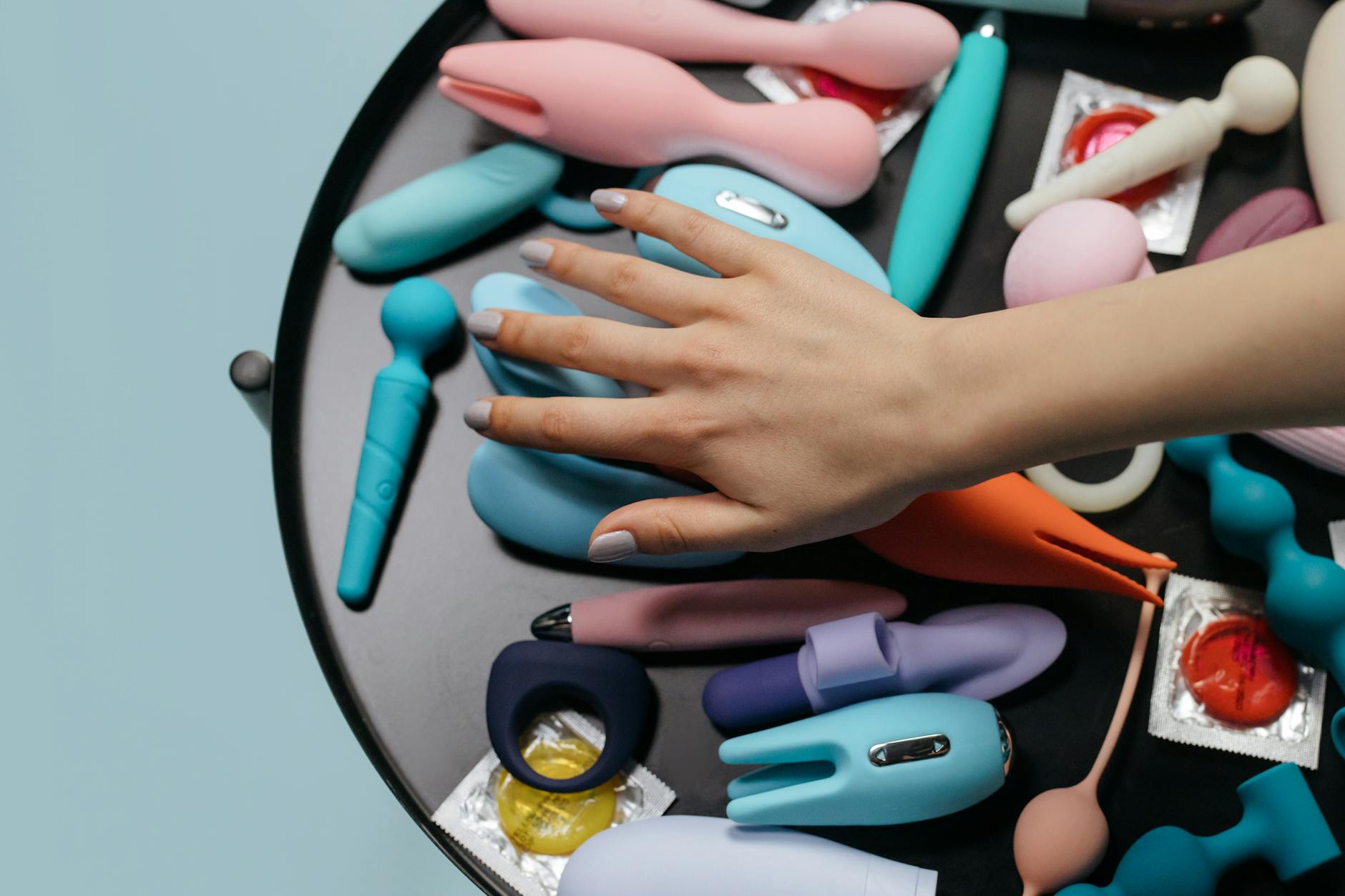
Let's talk about what anxiety actually does to arousal
Your nervous system is in overdrive. Your chest is tight. Your mind is spinning with a thousand things you forgot to do, conversations replaying on loop, worst-case scenarios unspooling in technicolor. And then your partner turns to you, or you think about pleasure, and nothing. The connection isn't there. The desire is buried under a pile of mental static.
This isn't a libido problem. It's not that you don't want sex. It's that anxiety is occupying every inch of available bandwidth. Your brain is literally too busy to feel anything below the neck.
How anxiety hijacks your nervous system
When you're in an anxious state, your sympathetic nervous system is activated. That's the fight-or-flight response. Blood is being diverted to your muscles and away from your genitals. Your heart rate is elevated. Your pelvic floor is probably clenched. Arousal requires the opposite state. Arousal requires your parasympathetic nervous system to be online, your body to feel safe enough to soften and expand.
Anxiety and arousal are neurologically opposed states. You can't be in both at the same time. That's not a failure on your part. That's just how the brain works.
The tricky part is that most people try to "push through" anxiety to get to pleasure. They assume willpower will work. It won't. You need a reset button.
Why lemon vibrators work differently when anxiety is in the way
Suction-based stimulation like what the Lem delivers creates a specific kind of sensory input that interrupts the anxiety loop. Here's what makes it different from other vibrators.
Wand vibrators and bullet vibrators provide direct, high-frequency input. That's great for some bodies, some times. But when anxiety is active, direct vibration can actually amplify that buzzy, overwhelmed feeling. It adds noise to a system that already feels like it's humming at 150 percent.
Lem's suction technology creates a different signal. It's rhythmic, sustained, and focused. Instead of sending scattered stimulation, it creates a pulsing sensation that your nervous system can track. Your brain goes from "everything everywhere" to "focus on this one thing." That narrowing of attention is exactly what anxious minds need.
I tell my clients that suction vibrators are like a reset button for your parasympathetic nervous system. When you can focus on one clear, rhythmic sensation, the anxious chatter quiets down. You're not trying to fight the anxiety. You're redirecting it.
The four-step setup for using lemon vibrators when anxiety is running high
Step 1: Create actual safety. Anxiety isn't just neurological. It's also environmental. If you're worried about interruptions, if the door is unlocked, if you're in a space that doesn't feel private, your nervous system knows it. Spend five minutes making sure you're genuinely uninterrupted. Phone on silent. Door locked. Lights dimmed if that helps. This isn't indulgent. This is prerequisite.
Step 2: Do a body scan before you touch yourself. Sit for a minute or two and notice where you're holding tension. Most anxious people are gripping in their shoulders, jaw, and pelvic floor. Spend 30 seconds consciously relaxing each area. Drop your shoulders. Unclench your jaw. Take three deep breaths and try to feel your pelvic floor soften rather than grip.
Step 3: Use lubrication generously. Water-based lube isn't just about comfort. The act of applying it is part of the reset. It's a tactile transition between "anxious mode" and "pleasure mode." Take a moment. Warm the lube between your fingers. Notice the feeling. This is grounding.
Step 4: Start with the lowest setting. Use pattern 1 or 2 on the Lem. You're not chasing orgasm right now. You're teaching your nervous system that this sensation is safe, predictable, and worth paying attention to. Let your brain adjust to the rhythm. Most people find that after two to three minutes on a low setting, the racing thoughts start to quiet. That's your parasympathetic nervous system coming back online.
The rhythm that works for anxious bodies
When anxiety is high, stick with patterns that are gentle and consistent. The Lem's steady rhythms are better for anxious nervous systems than erratic or escalating patterns. The consistency signals safety to your brain.
Many of my clients tell me they get distracted or anxious about whether they're "doing it right." That's the anxiety talking. There is no right. You're using a lemon clitoral vibrator to help calm your nervous system and reconnect with sensation. That's the whole goal.
If your mind starts to wander back to anxious thoughts, that's normal. Gently redirect attention back to the physical sensation. What does the suction feel like? Is it rhythmic? Can you feel your heartbeat slowing? This is a form of mindfulness, and it's incredibly powerful for anxiety management.
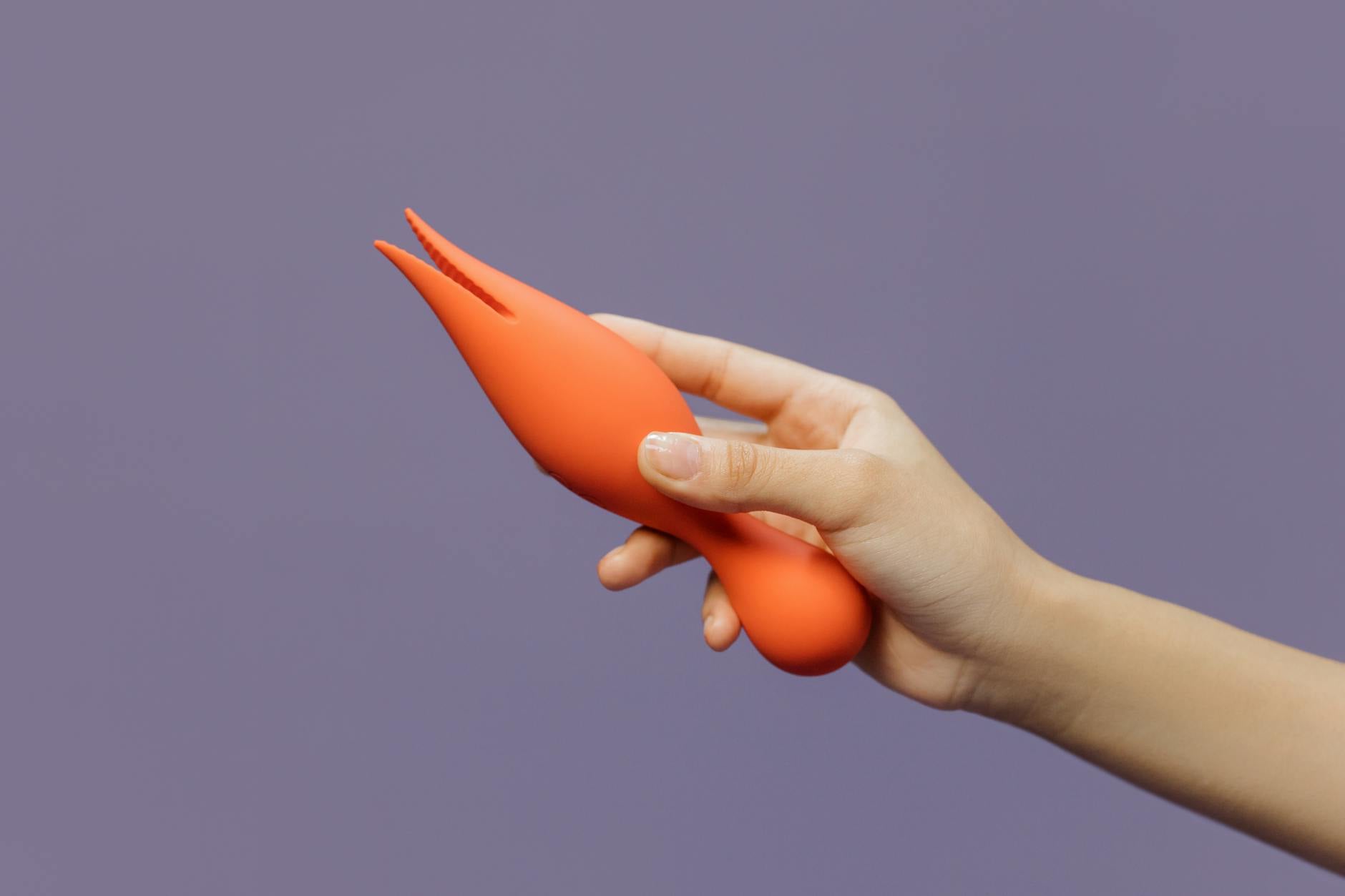
Photo by cottonbro studio on Pexels
Combining lemon vibrators with anxiety management techniques
If you're already in therapy or using grounding techniques for anxiety, lemon vibrators integrate beautifully with those practices. The 5-4-3-2-1 sensory grounding method works especially well. While using the Lem, notice five things you can see, four things you can touch, three things you can hear, two things you can smell, and one thing you can taste. The vibrator is your anchor point for the "touch" part. This combination keeps your brain present and your nervous system calm.
Breath work is another tool that pairs well with suction stimulation. Try a pattern where you breathe in for four counts, hold for four, exhale for four. Sync that breathing rhythm with the pulsing of the Lem. Your nervous system loves rhythm and predictability. When your breath, the vibration, and your attention are all synchronized, anxiety has nowhere to grip.
If you use lemon vibrators regularly and also experience clinical anxiety, you might notice that this practice actually helps your baseline stress levels. That's not magic. That's your body learning that it can move between states. Anxiety dominance doesn't have to be permanent.
What to do if anxiety shows up mid-session
Sometimes you start out calm and then anxiety creeps in. Your mind spirals. Your body tenses. You feel frustration on top of the anxiety. Stop. Pause the Lem. Take three slow breaths. Then decide: do you want to continue, or do you want to step away and come back later? Either choice is fine. Using a lemon vibrator when you're anxious is meant to help calm you, not to create pressure to perform.
If you want to continue, reset. Go back to a lower setting. Let your body remember that this sensation is safe. Sometimes the first session on a given day is about nervous system reset, not orgasm. That's a valuable session in its own right.
Building a practice, not a performance
I work with many clients who think that using lemon vibrators is about reaching orgasm. When anxiety is in the mix, that goal actually works against you. Your goal is nervous system regulation. Pleasure is the byproduct, not the point.
Over time, as you practice this regularly, your body builds a resource. You're literally teaching your nervous system that you can move from an anxious state to a calm, present state. That's a skill that transfers to other parts of your life. The Lem becomes a tool not just for pleasure, but for emotional regulation.
If you've tried lemon vibrators as a first-time user and felt overwhelmed, anxiety might have been the culprit. Knowing that, you can create a different setup next time. The tool isn't wrong. The approach might have been.
When to reach out for additional support
If anxiety is severe enough that even the most grounding practices don't help, or if anxiety is preventing you from connecting with pleasure across all contexts, that's a sign to talk with a therapist. Lemon vibrators are a helpful tool for nervous system regulation, but they're not a replacement for professional mental health support.
Similarly, if anxiety shows up specifically around sexuality or intimacy, a sex therapist or couples counselor can help you understand the root. Sometimes anxiety about pleasure is anxiety about vulnerability, about being seen, about losing control. Those are worth exploring with professional support.
For most people, though, combining the sensory input of a suction vibrator with intentional grounding practices creates real, noticeable relief. Your body can learn to calm. Your mind can learn to quiet. And pleasure becomes available again, not despite the anxiety, but through managing it with intention.
FAQ
Can lemon vibrators actually help with anxiety or is that just wishful thinking?
It's not magic, but it's not wishful thinking either. Sensory grounding is a legitimate therapeutic technique. When you focus attention on a specific, rhythmic physical sensation, your nervous system shifts from sympathetic activation (anxiety) toward parasympathetic activation (calm). Lemon clitoral vibrators create that sustained, trackable sensation in a way that other vibrators sometimes don't. For many people, it's genuinely helpful. That said, if anxiety is clinical and severe, this should complement therapy, not replace it.
What if I start using the Lem and feel more anxious, not less?
That happens sometimes, especially if you're used to high-intensity vibration or if you're pushing yourself to feel pleasure when you're not actually ready. Try lowering the intensity to pattern 1, extending your setup time, and using this more as a meditation practice than a pleasure-seeking practice. If anxiety consistently increases with suction stimulation, that's useful information. Your nervous system might respond better to a different type of input.
How often should I use lemon vibrators for anxiety management?
There's no prescription. Some people find that using it a few times a week helps regulate their baseline anxiety. Others use it as-needed when anxiety is particularly high. Start with what feels manageable and sustainable. Using it as a genuine practice rather than an obligation works best. If it starts to feel like another thing you "should" do, it loses its calming effect.
Can my partner help me use lemon vibrators when I'm feeling anxious?
Absolutely, if that feels comfortable. For some people, having a partner's presence and support is grounding. For others, anxiety about being observed or judged gets in the way. Talk about what would actually help. Sometimes "partner helps" means they hold you while you use it. Sometimes it means they sit nearby reading. Sometimes it means you're alone. All of these are valid.
Is using lemon vibrators for anxiety the same as using them for pleasure?
Not quite. The goal and the mindset are different. Pleasure-focused use is about building toward intensity and orgasm. Anxiety-management use is about nervous system regulation and presence. You might use the same tool but with a totally different intention. Both are valuable. It's good to know which one you're doing on any given day.
What if anxiety is tied to my relationship or specific situations, not just general stress?
That's worth exploring with a therapist, especially a couples counselor or sex therapist. Sometimes anxiety about pleasure is actually anxiety about the relationship, about vulnerability with a specific partner, or about unspoken tensions. Lemon vibrators can help you regulate your nervous system, but they won't resolve relational issues. For that, how to improve intimacy after relationship transitions and honest conversation with your partner (and possibly a professional) is the real work.