Let's name what you're noticing
Your clitoris used to feel like pulling a fire alarm. Now it feels muted, like someone turned down the volume on your whole body. You're not imagining it. And you're definitely not broken.
Reduced clitoral sensation is one of those experiences nobody talks about until it happens to you. Then it feels like the loneliest thing in the world. It's not. It's remarkably common, and it has very fixable causes.
Why sensation can fade (and it's rarely what you think)
Here's what most people assume: you've numbed yourself out. Too much stimulation. Too many vibrations. Your body's built up a tolerance like you're taking antihistamines.
That's one possibility. But it's not usually the culprit.
More often, reduced clitoral sensation comes from one of five things:
Hormonal shifts. Estrogen, progesterone, and testosterone all affect nerve sensitivity and blood flow to the clitoris. Birth control changes, perimenopause, or even normal cycle fluctuations can dial sensitivity up or down. This is temporary and reversible.
Pelvic floor tension. When your pelvic floor muscles stay contracted (which happens during stress, anxiety, or after years of holding yourself in), they literally compress the nerves that signal pleasure. Your body's there, but the signal isn't getting through.
Medication side effects. Antidepressants, blood pressure meds, and antihistamines can all mute sensation. This isn't failure. It's chemistry.
Desensitization from high-intensity stimulation. Yes, this one is real, but it's rarer than people think. And it's also reversible. More on this in a moment.
Disconnection from arousal. Sometimes sensation feels dimmer because you're not actually aroused, even though you think you should be. Your brain's elsewhere. Your body knows.
The good news: none of these are permanent walls. They're all things you can work with.
Why lemon vibrators work differently when sensation is fading
Most vibrators use rapid oscillation. They're fast, intense, and they demand a lot from your nervous system to register sensation. If your sensitivity is already dimmed, a standard vibrator might feel like you're trying to hear a whisper at a concert.
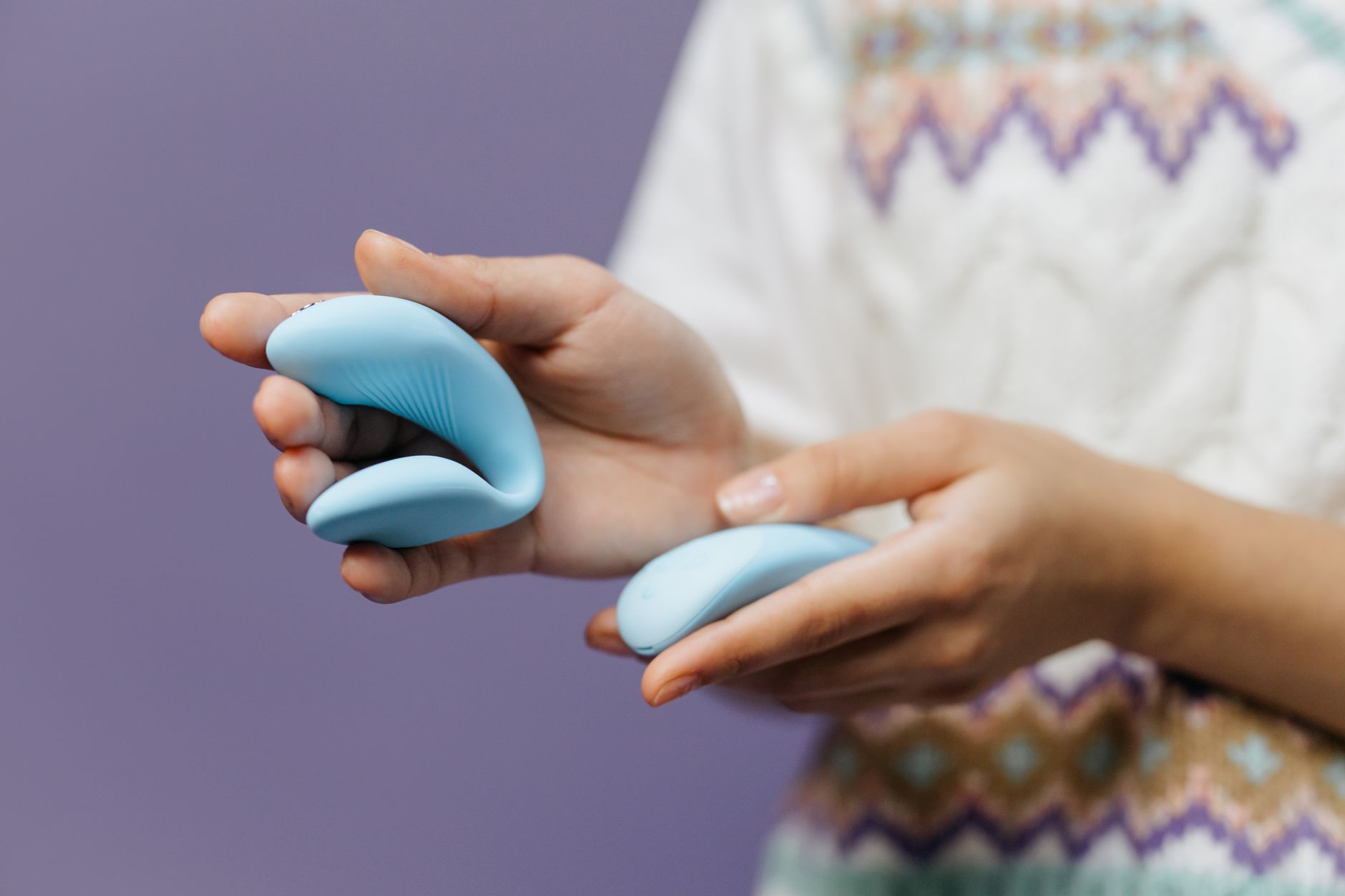
Lemon vibrators, specifically the Lem, use air-pulse technology instead. That suction pattern creates a broader, deeper stimulation that doesn't rely on your clitoris being at peak sensitivity to register pleasure. It's like the difference between a piccolo and a cello: different frequency, different depth.
This matters because air-pulse stimulation engages more nerve endings at once. You don't have to wait for sensitivity to return to feel something. You can start now, and rebuild from there.
Photo by cottonbro studio on Pexels
The actual protocol for rebuilding sensation
If you've been using high-intensity vibrators and sensation has faded, here's what works:
Week one: Rest. Stop all vibration for five to seven days. This isn't punishment. It's resetting your nervous system. Your clitoris will be hungrier for stimulation when you come back to it.
Week two: Start low. Use your lemon vibrator on settings one and two only. No jumping to the middle. Spend 15-20 minutes just noticing what you feel. Boredom is fine. Restlessness is fine. You're not trying to orgasm. You're trying to wake up sensation.
Week three and beyond: Slow progression. Add one setting every 3-5 days. Only move up when the current setting feels satisfying, not intense. Speed matters less than consistency.
This process takes 3-6 weeks for most people. Some take longer. That's not a failure. That's your body asking for patience.
What to do while you're rebuilding
Don't just use the vibrator and hope. Three things amplify recovery:
Pelvic floor release work. Download a pelvic floor relaxation app or do simple stretches (pigeon pose, butterfly stretch, happy baby) for five minutes before stimulation. Tension blocks sensation. Relaxation opens it.
Extended foreplay. Spend 10-15 minutes on non-clitoral touch before you even think about the vibrator. Your shoulders, your inner thighs, your neck, your breasts. Get your whole body aroused. Your clitoris responds better when your nervous system is already activated.
Arousal variety. Mix in mental stimulation. Read something that turns you on. Watch something that engages you. Fantasize. Your clitoris isn't separate from your brain. If your brain's bored, your body will be too.
If you're with a partner, involve them in the foreplay. That's not "warming up" for the vibrator. That's actually part of the recovery. Your body's learning to feel pleasure again in a relational context, not just a mechanical one.
When sensation loss is about disconnection, not desensitization
Sometimes reduced sensation isn't physical. It's mental. You're present in your body but not present in the moment. Your mind's running a to-do list. Or you're performing rather than feeling. Or you're anxious about whether you're doing it "right."
This is where lemon vibrators become less about the tool and more about permission.
A vibrator that feels intuitive and easy to use (like the Lem, which has four straightforward settings and a quiet motor) removes the performance anxiety. You're not fumbling with controls. You're not wondering if it's loud enough for the neighbors to hear. You're just there with the sensation.
But the bigger work is giving yourself permission to feel pleasure without earning it. You don't have to be in a relationship for it to be valid. You don't have to be in the mood to start exploring. You don't have to come to justify the time. Your pleasure, just because, is enough.
That mindset shift changes everything. And it's often the reason sensation comes roaring back.
Red flags worth seeing a doctor about
Reduced sensation can also signal thyroid issues, hormonal imbalances, or medication side effects that need professional attention. See your GP if:
Sensation loss is sudden and complete (came on in days, not weeks). Your sensitivity was fine, then overnight it vanished. This warrants a check on hormone levels and medication side effects.
Reduced sensation is paired with pain or numbness elsewhere in your body. This might point to nerve issues or metabolic stuff that needs investigation.
You've been in the recovery protocol for 8+ weeks with no shift at all. This isn't failure. It just means your body might need professional support to figure out what's going on.
Your GP can run a few simple tests and either rule out underlying issues or identify what's treatable. That's not weakness. That's due diligence.
FAQ: Common questions about reduced sensation and lemon vibrators
Will using a lemon vibrator make the sensation problem worse?
Not if you use it thoughtfully. The risk of worsening desensitization comes from using high-intensity settings repeatedly without breaks. Lemon vibrators are gentler than most traditional vibrators, and their air-pulse design stimulates differently. If you start low and progress slowly, you're actually doing the opposite of desensitization. You're retraining your body to feel pleasure at lower intensities.
How long does it take for sensation to come back?
Usually 3-8 weeks of consistent, gentle stimulation. Some people see shifts in two weeks. Others need two months. Your timeline depends on why sensation faded in the first place. Hormonal causes often resolve faster. Pelvic floor tension takes longer. Medication side effects might need a conversation with your doctor about alternatives. Patience matters more than speed.
Can I use my lemon vibrator if I'm on an antidepressant?
Yes. Antidepressants can reduce sensation, but that doesn't mean you can't enjoy pleasure. It just means you might need more stimulation or more time to feel it. A lemon vibrator's broader, gentler pulse can actually work better for muted sensation than a traditional vibrator. If the side effect is severe, talk to your doctor about timing your doses or trying a different medication. That's a conversation worth having.
Is it normal for sensation to fade and return in cycles?
Completely normal. Your clitoris responds to hormones, stress, sleep, and a hundred other variables. Sensitivity fluctuates across your cycle, especially if you menstruate. You might feel more sensation during the follicular phase and less during the luteal phase. That's not broken. That's biology. A lemon vibrator works well across all phases because it's versatile enough to adapt.
Should I tell my partner about this?
That depends on your relationship and what you want from them. If you're with someone and sensation loss is affecting your sex life together, yes. But frame it as something you're working on, not something they caused or need to fix. Your partner can't restore your sensation. But they can support your recovery by giving you space to explore, being patient, and not making it weird. If you're single, you don't need permission. You just need time and the right tool.
What if the lemon vibrator doesn't help?
Then something else is probably going on, and it's worth investigating. See your GP. Talk to a pelvic floor physical therapist. Consider whether stress, relationship stuff, or medication might be the real culprit. Sometimes the vibrator isn't the solution because the problem isn't about the vibrator. It's about something upstream. That's not a failure of the tool. That's information.
The honest truth
Reduced clitoral sensation feels like a loss. In some ways, it is. But it's also an opening. It forces you to slow down, to be more intentional, to actually notice what your body needs instead of just chasing what worked before.
Lemon vibrators, with their gentle air-pulse technology, are good tools for that work because they don't demand intensity. They invite presence. And presence, eventually, brings sensation back.
Your pleasure isn't broken. It's just asking for something different. Listen to that.
If you're struggling with persistent sensation loss or just want support navigating this transition, reach out. Sometimes talking it through with someone who understands helps you understand yourself.