Let's start with the honest part
After surgery or trauma, your body isn't just changed. It's someone else's narrative for a moment, and taking it back is slower than anyone tells you it will be. Pleasure isn't just physical. It's also permission, trust, and the belief that sensation can feel safe again.
I work with people rebuilding this all the time. Most start from a place of grief. They remember what pleasure felt like before, and the gap feels unbridgeable. Here's what I've learned: it's not unbridgeable. It's just different, and the tools matter.
Why standard vibrators don't always work post-trauma
Most vibrators work through friction and intensity. After surgery or trauma, friction can feel triggering or too direct. Your nervous system is still in guard mode. A vibrator that buzzes at high speed or requires firm pressure can activate that guarding response, making arousal impossible.
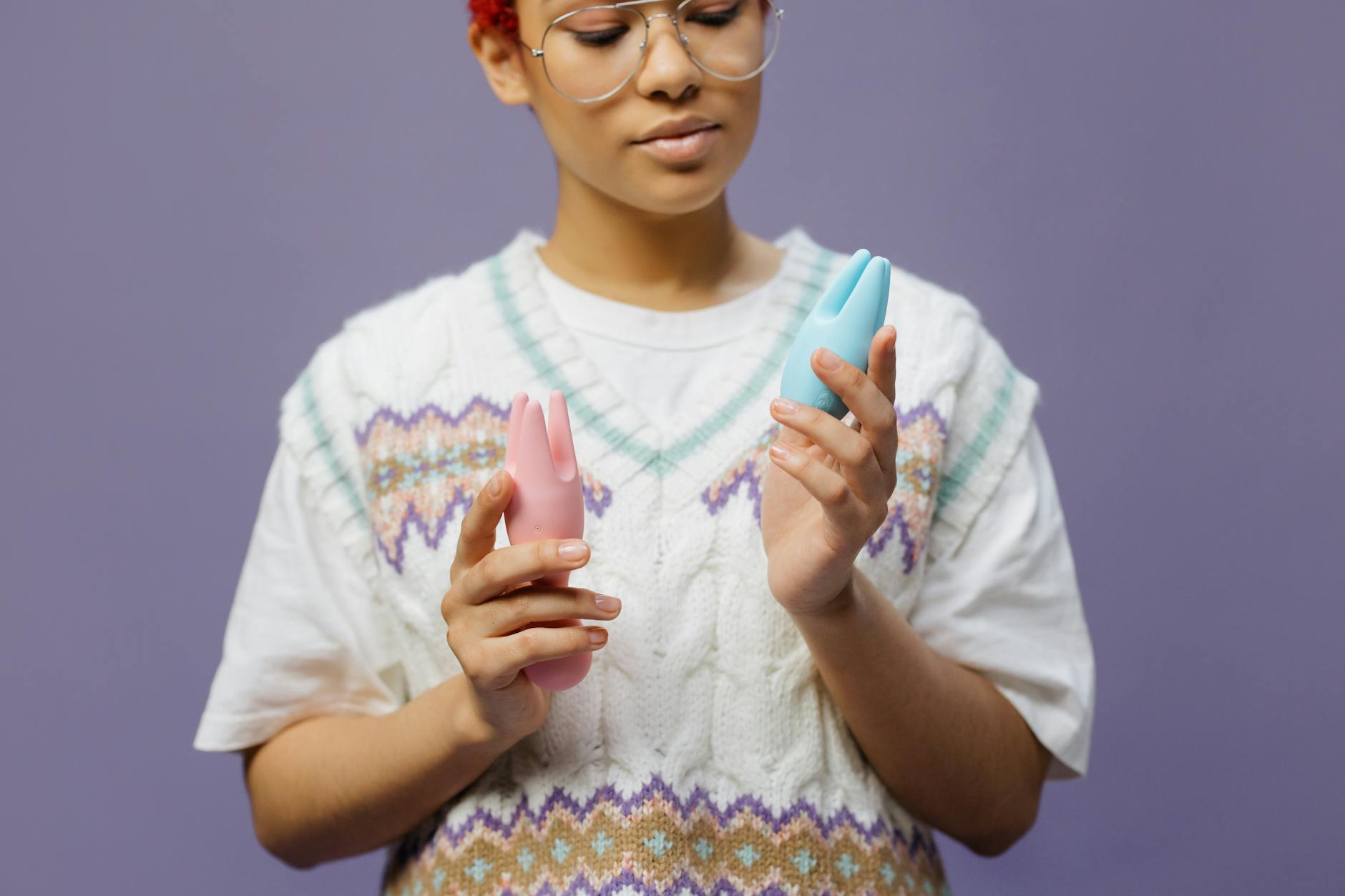
Lemon vibrators and clitoral suction tools work differently. Instead of friction, they use gentle suction and pulsing sensation. This stimulates nerve endings without the psychological weight of direct pressure. For someone rebuilding trust with their body, this gentleness is structural. It's not a compromise. It's the exact right tool for the job.
That's why so many of my clients report that lemon vibrators are the first device that felt safe post-trauma. The sensation is precise and controllable, and you're never wrestling with something that feels aggressive.
The physical roadmap for returning to sensation
Healing isn't linear, and neither is returning to pleasure. Three phases tend to show up:
Phase one: Permission to explore (weeks 1-4 after clearance). Your doctor has cleared you physically. Your nervous system hasn't caught up. Start with the lowest setting on a lemon vibrator, just 5-10 minutes at a time. You're not trying to reach orgasm. You're teaching your body that sensation can feel safe. Apply the suction to areas around the surgery site first if direct contact feels too much. Many people find that the inner thigh, lower belly, or chest can awaken sensation without the vulnerability of genital touch.
Phase two: Building capacity (weeks 4-12). As your nervous system regulates, duration and intensity increase. Spend 15-20 minutes exploring. You might notice arousal building differently than it did before. That's normal. Arousal after trauma often arrives quieter, slower. You're looking for it, not waiting for it to happen to you. That shift in agency is part of the healing.
Phase three: Reintegration (week 12+). By now, pleasure is returning as a reliable sensation, not a surprise or a test. Many people at this stage report that their most connected orgasms arrive when they slow down, stay present, and use a lemon vibrator as a tool for attention rather than a shortcut to climax. The device becomes less about intensity and more about intentionality.
Breathing and nervous system regulation
Here's the thing that changes everything: pleasure after trauma lives in your nervous system, not your anatomy. You can have a perfectly healed body and still carry fear. You can have fear and retrain your system to feel safety again.
When you use a lemon vibrator, pair it with intentional breathing. Slow inhales (4 counts), longer exhales (6 counts). This signals your vagus nerve that you're safe. Your nervous system gets the memo. After three or four cycles of this, you'll notice the difference. Your shoulders will drop. Your breathing will deepen. Pleasure becomes possible in that opening.
Many people use this practice for the first month, every session. Then it becomes automatic. Your body remembers the signal and drops into it without the conscious work. That's integration.
Working with a partner if you have one
If you're rebuilding pleasure with someone you trust, this conversation needs to happen before any physical exploration. Tell them: "I'm relearning my body. This isn't about you. It's about me rebuilding trust with myself."
That distinction matters wildly. Partners often interpret low desire or slow arousal as rejection. It's not. It's healing. If your partner can hold that distinction, they can support the process without adding shame.
One practice that helps: have them present while you explore alone. Not watching, exactly. Just in the room, nearby, reading or working on their own thing. Your nervous system learns that you can feel arousal and pleasure while they're present. This rewires the association between vulnerability and safety. After a few sessions this way, many couples report that shared exploration becomes possible.
When numbness or disconnection lingers
If you're using a lemon vibrator and sensation still feels distant or numb weeks in, you're not broken. This is a common post-trauma response. Your nervous system may still be protecting you from feeling. This isn't weakness. It's actually your system working correctly.
Two adjustments that often help. First, switch to the lowest, most gentle setting. Counterintuitively, more intensity when numbness is present tends to activate avoidance. Less intensity allows your system to relax enough to register sensation. Second, add temperature play. A warm washcloth on the inner thigh before using your lemon vibrator can wake sensation that numbness has suppressed. Warm and safe often work together.
If numbness persists beyond three months, talking with a trauma-informed therapist becomes really valuable. Sometimes pleasure rebuilding requires both physical and psychological work.
The emotional work that mirrors the physical
Using a lemon clitoral vibrator after trauma does something unusual. It's physically gentle, so your body doesn't have to brace. But you're also actively reclaiming autonomy over your own sensation. That's psychologically powerful.
Some people cry the first time pleasure returns. That's not failure. That's grief and relief moving through you at the same time. You're allowed to feel it all. Your body is coming home to itself.
Keep a simple journal during this process. One sentence after each session. How did your body feel? Did your nervous system feel safe? No judgment. Just noticing. After a few weeks, you'll see the pattern. You'll see yourself healing. That visibility matters more than you'd expect.
Pacing and the temptation to rush
Here's the mistake I see most often: someone returns to sensation after a few weeks, and they immediately try to reclaim their old pleasure, old intensity, old frequency. The body says no. The nervous system goes back into guard mode.
Healing doesn't work on a deadline. A lemon vibrator gives you permission to go slow. The suction sensation doesn't demand intensity. It rewards presence. If you use it that way, you're working with your nervous system instead of against it. That's the difference between rebuilding pleasure and retraumatizing yourself.
Budget eight weeks of slow, gentle exploration before you expect your pleasure to look or feel like it did before. Often it's faster. Sometimes it's slower. Both are fine.
When to loop in professional support
If pleasure returns but anxiety arrives with it, that's a sign to talk with a trauma-informed sex therapist. Similarly, if you're using a lemon vibrator regularly and sensation still feels unsafe or activating, that's information. Your nervous system is telling you that you need support beyond what a device can offer.
There's no shame in this. Trauma lives in the nervous system. Sometimes the system needs professional help learning safety again. A good therapist won't tell you pleasure is wrong. They'll help you rebuild the neural pathways that connect sensation to safety.
Your body has been through something. Giving it time, gentleness, and the right tools is how you bring yourself back. A lemon vibrator is one of those tools. Your breath is another. Your willingness to move slowly is the third. Put them together and pleasure returns, rooted in safety instead of speed.
FAQ
How soon after surgery can I use a lemon vibrator?
Wait for full medical clearance from your doctor first. Once cleared, many people start with gentle exploration at 3-4 weeks post-op. You're not looking for orgasm at this stage. You're just rebuilding the neural connection between sensation and safety. Start at the lowest setting for very short sessions (5-10 minutes). Your body will signal when it's ready to go deeper.
Can I use a lemon vibrator if I was sexually assaulted?
Yes, but only when you're ready. Trauma from assault lives differently in the body than surgical trauma, and recovery timelines vary widely. Some people find that the gentleness of clitoral suction tools feels safer than traditional vibrators because there's no aggressive friction. Others need months of therapy before any device feels okay. There's no rush. Work with a trauma-informed therapist who can support both the psychological and physical parts of healing.
What if I feel triggered when I try to use a lemon vibrator?
Stop immediately. Triggering is information. Your nervous system is saying "not safe yet." That's not failure. That's your system protecting you. Take a break for a week or two, then try again in a different environment or with a different support structure nearby. Some people find that starting clothed, or over clothing, makes the experience feel less vulnerable. Modify until it feels manageable.
Will my pleasure ever feel like it did before?
Sometimes it will feel exactly the same. Sometimes it will feel different but equally good. Sometimes it will feel better because you're more present and intentional. Trauma and surgery change your relationship with your body. That change isn't always bad. Many people report deeper, more connected pleasure after they've healed because they're not operating on autopilot anymore.
How often should I use a lemon vibrator while rebuilding pleasure?
Start with two or three times a week for 15-20 minutes. This is frequent enough that your nervous system begins to recognize the pattern as safe, but not so frequent that you're pushing. After eight weeks, you can increase frequency if you want to, but many people find that slower, intentional sessions feel better than daily use. Quality over quantity matters here.
What if my partner wants to use the lemon vibrator with me before I feel ready?
Tell them clearly: this tool is for your healing right now. It's not about excluding them. It's about you building a relationship with your own body before sharing that with someone else. Most partners respect this boundary when it's framed as part of your healing process. If they don't, that's important information about how they handle your needs. You deserve a partner who supports your pace.