The numbing problem nobody talks about
You've been using vibrators for years. The first time you used one, the sensation was almost shocking. Now it takes higher settings, longer sessions, or a completely different toy to feel anything at all. This isn't failure. This is desensitization, and it's real.
The clitoris, like all nerve endings, can adapt to repeated stimulation at the same intensity. Your body isn't broken. It's just learned to tune out a predictable signal. But here's the good news: sensitivity isn't a fixed resource that runs out. It's a skill you can rebuild.
Why desensitization happens
Your clitoris has roughly 8,000 nerve endings concentrated in a space the size of a pea. When you stimulate them consistently at the same frequency and pressure, your nervous system stops treating that signal as important. It's the same reason you stop hearing a fan running in the background or noticing the weight of your clothes.
This doesn't mean you're numb permanently. It means your nervous system is doing its job: filtering out repetitive stimulation so you can focus on actual threats and changes.
The problem is that vibrators, especially traditional ones that provide constant vibration at a fixed frequency, are essentially the definition of repetitive stimulation. Your body adapts brilliantly.
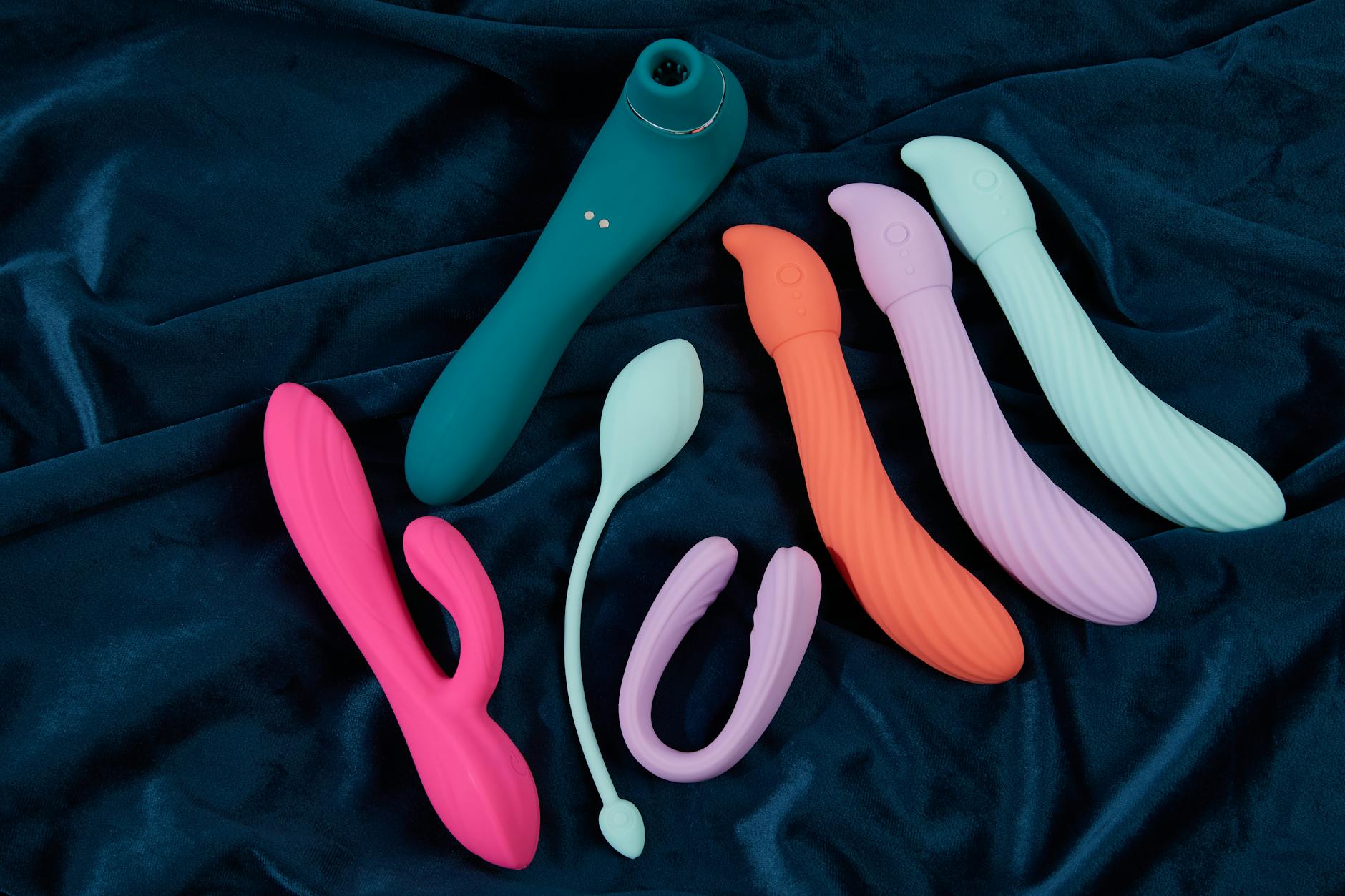
Lemon vibrators (sometimes called lemon clitoral vibrators or clitoral suckers) work differently because they use pulsing suction rather than pure vibration. That different mechanism can help reset desensitization because you're engaging the clitoris through a different neural pathway.
The three-phase recovery strategy
Phase One: The Break (One to Four Weeks)
I know this sounds counterintuitive. You want to feel more, so stopping seems backwards. But a break is essential. Your nervous system needs time to reset its sensitivity threshold. This doesn't mean abstaining from all pleasure. It means stepping away from vibrators specifically.
During this phase, explore sensation without toys. Hand stimulation, different touches, temperature play with ice or warmth, or external massage. The goal is to remind your clitoris what non-vibrational input feels like.
If a month away from vibrators feels impossible, start with two weeks. Something is better than nothing.
Phase Two: Reintroduction with Lemon Vibrators (Weeks Two to Six)
This is where lemon vibrators shine. The suction sensation is genuinely different from traditional vibration, which means you're lighting up different nerve clusters. Start with the lowest settings. I mean genuinely low. Pattern 1 or 2 on a clitoral suction toy might feel almost imperceptible at first. That's correct.
Keep sessions short. Five to ten minutes maximum. Your goal isn't orgasm yet. It's sensation. Notice the feeling. Does it feel like a gentle pulse? A soft sucking? Can you detect the rhythm? You're teaching your nervous system to recognize and value subtle input again.
Session frequency matters too. Use the toy every other day, not daily. Spacing gives your nerve endings time to maintain their sensitivity between sessions rather than blunting down to meet constant stimulation.
Phase Three: Progressive Intensity (Weeks Six Onwards)
Once subtle sensations feel genuinely pleasurable again (not just noticeable, but actually good), you can gradually increase intensity. Move from pattern 1 to pattern 3. Spend a few sessions there. Then pattern 5. The progression should feel gradual, not rushed.
Many people find that they reach a sweet spot where pleasure peaks before they hit maximum intensity. That's not a sign you need to push harder. It's the opposite. That's the sign that sensation is genuinely working again.
Why lemon vibrators specifically help
A lemon clitoral vibrator works through suction and pulsing, not continuous vibration. Your nervous system perceives suction as a distinct sensation from vibration, which engages different nerve pathways. If traditional vibrators trained your clitoris to ignore their pattern, a lemon vibrator is essentially speaking a new language to the same nerves.
The suction action also tends to feel more localized than broad vibration. Traditional wand vibrators stimulate a wider area. Clitoral suction toys focus stimulation intensely on the clitoris itself. That concentration can feel more noticeable, even at lower intensities.
This is why people often say a lemon suction toy feels stronger than it actually is. It's not stronger. It's more precisely targeted.
The patience piece (and why it matters for relationships)
Rebuild desensitization takes time. Four to eight weeks is realistic. Some people notice shifts faster. Others need longer. Rushing this process defeats the purpose.
If you're rebuilding sensitivity in the context of a relationship, this is worth a conversation. Not as "something's wrong with me," but as "I want to try something different for a while." Partners often feel personally responsible for a partner's desensitization, when really it's just physiology. Naming the shift removes that burden.
This is also a moment to explore what you actually want from partnered sex. Sometimes desensitization is a signal that the stimulation pattern has become routine, not that your capacity for pleasure has shrunk.
Complementary practices that accelerate recovery
Four things I recommend alongside the lemon vibrator protocol:
1. Kegel exercises with awareness. Stronger pelvic floor muscles increase blood flow to the clitoris and can enhance sensation. But doing them mindlessly doesn't help. Engage consciously during the contraction. Feel the change in pressure.
2. Temperature play. Alternate between warm and cool sensations on and around the clitoris. A few seconds of cool (even a cool breath) followed by warmth or touch resets the nervous system's baseline and makes subsequent stimulation feel sharper.
3. Longer foreplay. Arousal isn't binary. The more aroused you are, the more sensitive the clitoris becomes. Spend twenty minutes on buildup before introducing the toy. Your nervous system will respond more robustly to input when you're genuinely turned on.
4. Mindfulness during use. This is critical. Put your phone away. Close your eyes. Actually feel what's happening instead of waiting for the toy to do the work. Your brain is part of the sensation. Distraction suppresses it.
When to see a specialist
If you're experiencing complete numbness even after a break and trying a different toy, there might be other factors at play. Hormonal shifts, certain medications (antidepressants are notorious for this), nerve damage, or vascular issues can affect sensation. A gynecologist or sex therapist can help rule those out.
Desensitization from vibrator use is fixable. Other causes sometimes need clinical support. There's no shame in that.
How this connects to broader pleasure
This process isn't just about sensation returning. It's about reclaiming your relationship with your own body. When pleasure dulls, it's easy to blame yourself. You might think you're broken or that you're doing something wrong. Neither is true.
Rebuilding sensitivity is also a reminder that pleasure isn't about intensity. Some of the most satisfying moments come from noticing subtle shifts, from appreciating what's actually there instead of chasing what was. That's not a downgrade. That's maturity.
Your next step
If desensitization is your current reality, the pathway back is straightforward: rest, then reintroduction with a different tool (like a lemon clitoral vibrator), then gradual progression. You're not starting from zero. You're recovering what's already in you.
People also ask
How long does it take to recover clitoral sensitivity after vibrator desensitization?
Most people notice measurable improvement within four to six weeks of taking a break and reintroducing stimulation with a different tool. Full recovery often takes eight to twelve weeks. The timeline depends on how long you've been using high-intensity vibrators and how consistently you practice the recovery protocol. Patience during this period is as important as the technique itself.
Can I use my old vibrator again after sensitivity recovery, or should I switch permanently?
You can return to your original toy, but the goal is rotation rather than repetition. Use different types of stimulation on different days. One day a lemon vibrator, another day traditional vibration, another day hands or partner touch. Rotation prevents your nervous system from adapting to any single pattern again. Desensitization returns if you go back to daily use of the identical tool at identical intensity.
Does taking breaks from vibrators permanently reduce how intense orgasms can feel?
No. Many people report that orgasms actually feel more intense after sensitivity recovery because they're fully present and aroused rather than chasing sensation. Intensity often correlates with engagement and arousal level, not with vibrator power. Taking a break doesn't cap your potential. It usually expands it.
Are lemon vibrators (suction toys) really better for sensitivity recovery than other types of vibrators?
They're better at breaking the desensitization pattern because suction engages different nerve pathways than vibration does. That novelty matters. A lemon clitoral vibrator isn't inherently superior, but it's sufficiently different from what your body has adapted to that it can help reset sensitivity. Any genuinely different stimulus would work. Lemon vibrators are effective specifically because they're not what caused the desensitization in the first place.
What if I recover sensitivity but then lose it again after returning to regular vibrator use?
This is common and manageable. You'll now know the recovery process works, so you can return to it. The second time through usually happens faster because your body remembers the reset. The real shift is understanding that desensitization isn't permanent damage. It's a feedback loop you can interrupt. Once you know how to interrupt it, you can maintain sensitivity by rotating tools and intensities rather than escalating to one favorite toy permanently.
Can hormonal changes during my cycle affect the desensitization recovery timeline?
Absolutely. Sensitivity naturally fluctuates throughout your cycle. During high-estrogen phases, you might notice recovery progressing faster. During lower-estrogen phases, sensation might feel duller again. This doesn't mean you're failing. It's normal. Work with your cycle rather than against it. If you're tracking your recovery, note which phase of your cycle you're in. You'll likely see a pattern. For deeper insight on this, consider exploring how lemon vibrators feel different during your cycle and how to work with those shifts.
If you're starting sensitivity recovery or want additional guidance on technique and tool selection, reach out. The journey back to sensation is individual. What works varies.