Let's start where you probably are right now
Depression steals libido. It's not laziness, not disinterest in your partner, not a relationship problem. It's neurochemistry. Your brain deprioritizes pleasure signals, and your body goes quiet. For months, maybe longer, sex feels impossible or hollow.
Then one day something shifts. Maybe the medication adjusted, or therapy started working, or you just woke up feeling slightly less numb. And suddenly you notice a twinge of actual desire again. Relief mixed with confusion. Your body wants something it forgot how to do.
Why libido recovery feels strange and fragile
This isn't like switching back on a light switch. Your desire is returning, but it's tender. It's been dormant. Your brain's arousal pathways need time to reactivate, and your body might respond differently than it did before depression hit. Some people find sensation feels muted at first. Others feel almost hypersensitive. Both are normal.
Honestly, this is where a lot of people get stuck. They feel desire flickering back to life, then panic that they're not responding "right." They put pressure on themselves. They compare how they feel now to how they felt before. And that pressure, ironically, kills the desire all over again.
The antidote isn't willpower. It's gentleness and the right tools.
Why lemon clitoral vibrators work particularly well during this phase
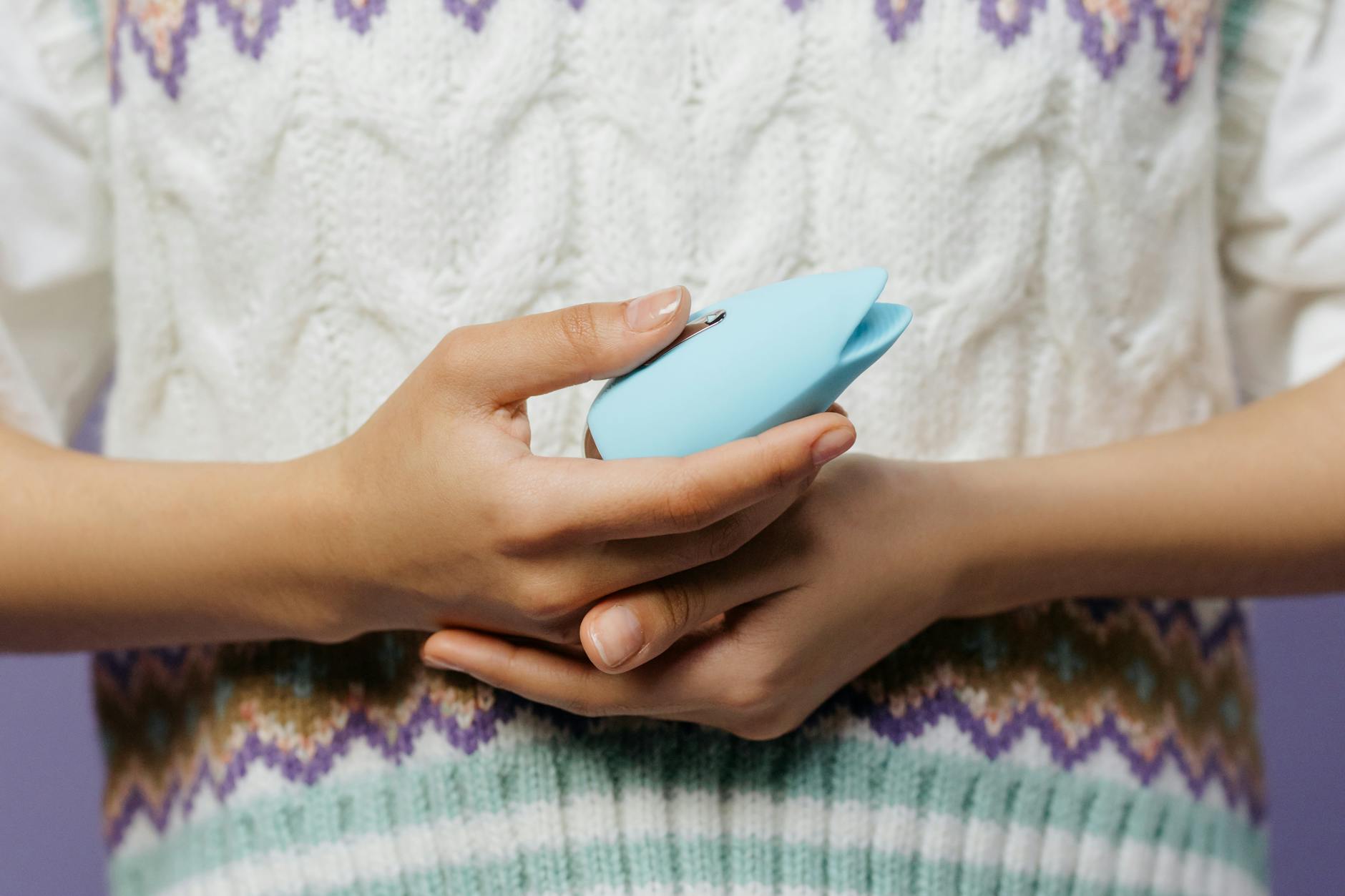
Lemon vibrators, and specifically air-suction designs like the Lem, are engineered for bodies that need a different kind of stimulation. They don't rely on friction that can feel too intense on sensitive or recovering tissue. Instead, they use gentle suction to stimulate the thousands of nerve endings around the clitoris without direct pressure.
When your libido is returning after depression, you often need:
- Predictable, consistent sensation instead of variable stimulation that requires active focus.
- Lower entry barriers to pleasure, so you're not working hard just to feel something.
- Built-in patience. Suction-based designs reward slowness. You don't have to chase an orgasm. The stimulation is there, steady, whether you climax or not.
Lemon sexual toys specifically are designed as beginner-friendly lemon adult toys. They sit at the sweet spot between "simple enough that you don't have to think about it" and "sophisticated enough that pleasure actually builds."
How to reintroduce yourself to pleasure without pressure
Here's the framework I recommend to clients rebuilding desire after depression:
Week one: exploration only. Hold the Lem, turn it on, let it run on the lowest setting against your inner arm or leg. Get familiar with the sensation. No expectation of arousal or orgasm. You're just remembering what stimulation feels like.
Week two: light contact. Apply it externally, around the edges of the clitoris, not directly on it. Spend 5-10 minutes. Again, zero pressure to feel anything. This is about your nervous system relearning that touch is safe.
Week three onwards: gradual depth. If weeks one and two felt good, try 15-20 minutes. Adjust the intensity as you explore. You might find that lower settings feel better than you'd expect, especially if your sensitivity is still returning.
The entire point is that you're not trying to achieve anything. You're just noticing what feels good, without judgment.
The emotional part matters more than the technical part
Depression tells you a lie: that your pleasure doesn't matter, that your body is broken, that desire returning means you're supposed to "make up for lost time." None of that is true, and clinging to it will sabotage your recovery.
When you pick up a Lem vibrator for the first time after depression, you're not trying to prove you're healed. You're not trying to catch up. You're doing something radical: you're saying your pleasure matters again. That's enough.
If you have a partner, this conversation matters too. Let them know: "I'm rediscovering pleasure on my own timeline. I might need you to be patient. This isn't about you or our relationship." A partner who gets defensive or pressures you to speed up isn't understanding what recovery actually looks like. A partner who can sit with you in this gradual reawakening is giving you a gift.

Photo by Olga Lioncat on Pexels
What to do if pleasure still feels blocked
Sometimes desire returns, but sensation still feels flat. You might have an orgasm and feel almost nothing, or feel numb in the middle of an otherwise good experience. This is called anhedonia in the depression world, and it can linger even after mood improves.
If that's happening: first, know it's common and it's not permanent. Second, don't white-knuckle harder trying to feel something. That's the opposite of what helps.
Instead, shift your focus. Use lemon clitoral vibrators with curiosity, not performance expectations. Set a timer for 15 minutes. Notice what texture feels best against your skin. Notice what pattern your breath settles into. Notice if certain positions feel more comfortable. You're gathering data about pleasure, not chasing the finish line.
If anhedonia persists beyond a few months of recovery, mention it to your doctor or therapist. Sometimes antidepressant adjustment helps. Sometimes adding a different medication temporarily supports sensation recovery. You don't have to white-knuckle this alone.
Rebuilding intimacy with a partner during this phase
If you're in a relationship, solo exploration with lemon sexual toys is valuable and separate from partnered sex. Don't conflate them. You might learn that certain sensations light you up alone, but feel overwhelming with your partner present. That's data, not a relationship problem.
When you're ready to bring a Lem vibrator into partnered sex, have a conversation first. Not a serious one. Just: "I'd like to try this. I might ask you to slow down or pause. That's not about you." A partner who can make space for your rediscovery of pleasure is someone worth keeping close.
One thing I notice often: after depression, some people worry that using a vibrator means they're "high maintenance" or that they're rejecting their partner. That's depression talking again. A Lem vibrator isn't a rejection. It's a tool that helps your body remember how to feel good. Your partner gets to benefit from that too.
When to expect momentum to shift
Most people notice a real change in desire and sensation response around the 4-6 week mark of gentle, regular exploration. Not because they've forced themselves, but because their nervous system has slowly remembered that pleasure is available and safe.
That said, everyone rebuilds on their own timeline. Some people have a faster arc. Others need months. Both are fine. The people I see struggle most are the ones who expect their libido to snap back like a rubber band. It doesn't. It unfolds, slowly, like a plant coming back to life after winter.
The bigger picture
Your libido didn't disappear because something was wrong with you. Depression is a whole-body experience that includes your sexuality. Coming out of it means your sexuality comes back too. That's not something to rush. That's something to meet with the same compassion you'd offer to anyone healing.
Lemon vibrators and specifically lemon clitoral vibrators designed like the Lem aren't magic. They're tools that make gentle, consistent stimulation easy. That's exactly what recovering bodies need.
Frequently asked questions
How long after starting antidepressants does libido usually return?
It depends on the medication and the person. Some antidepressants (SSRIs especially) can suppress libido as a side effect, which actually means libido might take longer to return. If you're on medication that's killing desire, talk to your doctor about timing or alternatives. If depression itself tanked your libido, you'll probably notice it returning weeks to months after mood improves. There's no standard timeline.
Is it normal for orgasms to feel different during recovery?
Completely normal. Orgasms can feel smaller, more subtle, or even take longer to build. That doesn't mean something's wrong. Your nervous system is recalibrating. Keep using lemon sexual toys, but without expecting orgasm as the goal. Focus on sensation instead. The intensity often comes back naturally once your body relaxes into pleasure again.
Can lemon vibrators help if depression is still active but libido is flickering?
Yes, with a caveat. If depression is still acute, use a Lem vibrator as gentle exploration, not as a goal. The stimulation itself can be grounding and helpful for mood. But don't pressure yourself into pleasure. If it feels good, great. If not, that's information too. Keep working with your doctor or therapist on the depression itself. The vibrator is a companion tool, not a cure.
What if my partner doesn't want me using a vibrator?
That's a bigger conversation than just the vibrator. A partner's resistance to you experiencing pleasure during a vulnerable recovery phase is worth naming directly. You might say: "I need your support right now, and this tool helps me rebuild something depression took from me. I need you on my team." If they can't get there, couples therapy can help both of you understand what's underneath the resistance.
Is it possible my libido won't fully come back?
Some people find that libido returns to a new normal that's different from before depression. Less frequent, more intentional, requiring different triggers. That's not a failure. That's just your baseline shifting. The goal isn't to return to exactly how you were before. It's to rebuild a relationship with pleasure that feels sustainable and real for the person you are now.
How do I know if I'm using a lemon clitoral vibrator too much during recovery?
If daily use starts feeling like an obligation or a performance, that's a sign to scale back. Pleasure should feel optional. Use lemon vibrators a few times a week during recovery, or whenever you genuinely feel curious. If you're using them to force desire or orgasm, you've crossed into pressure again. Back off. Pleasure shouldn't feel like work.
Moving forward
Your libido returning after depression is a sign that you're healing. That's huge. It deserves to be met gently, without shame, without comparison to how you were before, without performance pressure. A tool like the Lem vibrator can ease that return, but the real work is giving yourself permission to rediscover pleasure on your own terms.
If you're struggling with this process or if depression is still present, reach out to a therapist or counselor who specializes in both sexual health and mood recovery. You don't have to figure this out alone. Connect with support whenever you're ready.