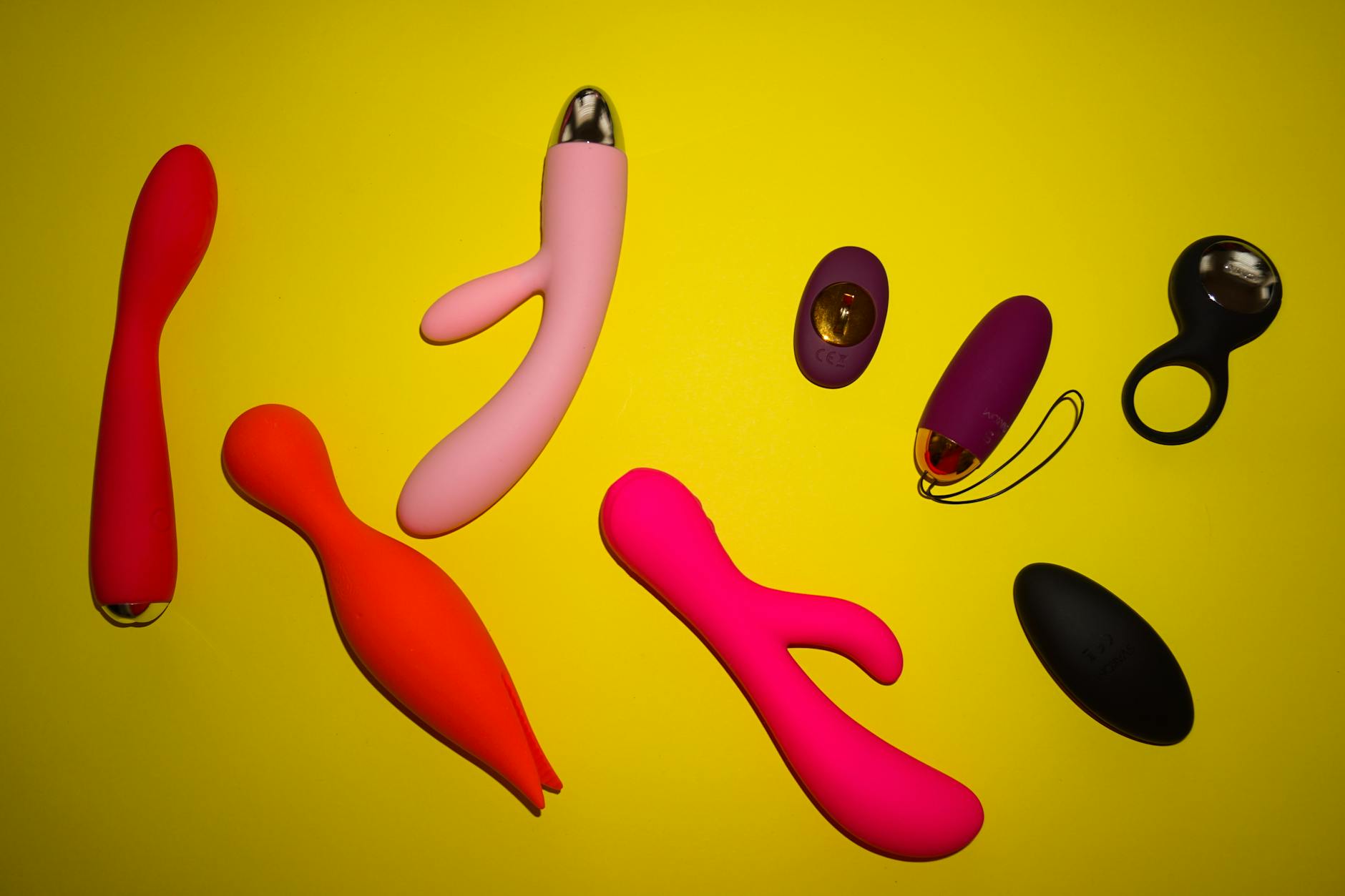
Here's what nobody tells you about pleasure after fifty
Your orgasms after fifty are not winding down. They're changing shape. Many of my clients report that their most intense, full-body orgasms happened in their fifties or sixties, not their twenties. This isn't sentiment. This is clinical observation backed by what changes hormonally and what stays exactly the same.
The trick is understanding the difference between the two, then using the right tools. Lemon clitoral vibrators, especially ones that use suction, work differently with post-menopausal tissue than traditional vibration does. And that difference is exactly what makes them so effective.
What actually changes in your body after fifty
Estrogen drops. This is the big one. Lower estrogen means clitoral tissue gets thinner and less engorged. It also means you need more time to warm up. Your natural lubrication changes. The pelvic floor muscles lose some tone, which changes how orgasms distribute through your body.
But here's what stays the same: your clitoris still has all 8,000 nerve endings. Your brain still generates arousal. Your capacity for pleasure hasn't declined. What's changed is the delivery mechanism, not the destination.
Why suction works better than vibration after menopause
Traditional vibrators use friction and direct buzz. That works fine on thicker, more engorged tissue. But after fifty, thin tissue can get overstimulated or irritated by that kind of direct contact. Suction-based lemon vibrators stimulate the same nerves without the mechanical pressure.
The Lem Massager, for instance, uses gentle air pulsation to create a rhythm that feels like a partner's mouth. It doesn't require the tissue to be as engorged to work. And because it's not friction-based, you can use it longer without numbness or irritation.
That's not just theoretical. Women who switch to suction-style lemon vibrators after trying traditional vibrators often report stronger, more full-body orgasms. The sensation travels differently through the body. It takes longer to build. But when it arrives, it's usually more satisfying.
The warm-up timeline changes
In your twenties, five minutes of foreplay might get you ready. In your fifties, you need fifteen to twenty-five minutes. This isn't a defect. It's actually an advantage if you use it right.
Longer warm-up time means you can focus on emotional intimacy first. You can read, talk, touch your partner or yourself without the pressure of needing to climax fast. By the time you reach for a lemon vibrator, you're already deeply aroused mentally. That changes everything.
Start with your hands. Touch your whole body. Let your partner touch you. Use a water-based lubricant (essential over fifty, even if you're not dry). Then introduce the lemon vibrator at pattern 1 or 2. Low intensity first. You can always turn it up.
The role of lubrication, honestly
I don't mean this as a clinical statement: you need lube after fifty. Not because something's broken, but because thinner tissue benefits from it. Silicone-based lube feels richer but can damage silicone toys. Water-based is the standard. Hyaluronic acid lubes feel smoother on sensitive tissue.
Keep it close. Reapply as needed. This isn't about "not being wet enough." Your body's still doing its job. Lube is just evening the playing field after hormone shifts.
Pelvic floor work matters more now
Muscle tone in your pelvic floor affects how orgasms feel and how intensely you experience them. Kegels help, but they're only half the story. You also need to learn how to relax those muscles fully. Over fifty, pelvic floor tension gets tighter because estrogen supports muscle elasticity.
Try this: breathe in, and as you exhale, actively relax the muscles around your vulva and vaginal opening. Hold that for three breaths. Do this a few times a day. It sounds simple. It changes everything.
When you're using a lemon vibrator, stay aware of your pelvic floor. If you feel tension creeping in, pause and relax consciously. Some of the most intense orgasms come not from tension, but from the release after relaxation.
Why your orgasms might feel different (and often better)
Three reasons this matters. First, the mental load lifts. Fertility concerns vanish. The pressure to perform for a partner eases, especially if you've renegotiated your relationship or become single. That mental space changes everything about pleasure.
Second, you know your body better. You've had decades to learn what works. You're less willing to fake it or settle. That's an asset, not a liability.
Third, full-body orgasms are more common over fifty. Because hormone shifts make localized clitoral sensation less intense, your nervous system often recruits muscles throughout your body to create the orgasmic response. That means longer, deeper, more physically involved climaxes.
When you use a lemon vibrator with this knowledge, you're not chasing the same sensation you had at thirty. You're discovering a different kind of intensity.
Common mistakes people make at this stage
Mistake one: starting with high intensity. Your tissue is more sensitive now. Start at pattern 1 and work up slowly. You'll notice that lower settings often feel more pleasant because they don't overwhelm sensitive nerve endings.
Mistake two: rushing the warm-up. Your body needs time. Rushing defeats the purpose.
Mistake three: assuming pain is normal. If you feel sharp pain, stop. Genitourinary syndrome of menopause (GSM) is real and treatable with topical estrogen, which your doctor can prescribe. Don't white-knuckle through discomfort.
Mistake four: using the same toy the same way every time. After fifty, variety matters. Different patterns on a lemon vibrator create different sensations. Explore them.
Partners, communication, and pleasure
If you're with a partner, the best thing you can do is name what's changing. "My body responds differently now, and I want to explore what feels good" is a conversation, not a complaint. Some partners worry they've done something wrong. Clear communication prevents that spiraling.
Many couples discover that using a lemon vibrator together creates new intimacy. You're not replacing your partner. You're adding a tool that works with how your body functions now.
When to see a doctor
If penetration hurts, see a menopause-trained gynecologist. GSM is highly treatable. If you have zero desire and nothing is returning, testosterone therapy is worth discussing with your doctor. It's prescribed conservatively in some regions, but it exists and transforms experience for the right person.
Pain, severe dryness, or complete loss of sensation warrants professional input. Everything else is exploration.
The bigger picture
Over fifty, pleasure isn't declining. It's reorganizing. Your nervous system, your emotional landscape, and your body's capacity are all shifting. Lemon clitoral vibrators, especially ones designed around suction rather than pure vibration, work beautifully with these shifts.
You deserve orgasms that feel good in your body right now. Not the orgasms you had at thirty. The ones you can have at fifty-five or sixty-five or seventy. That's where the real pleasure lives.
Frequently asked questions
Do lemon vibrators cause numbness in older bodies?
Not if you use them correctly. Numbness happens with overuse or using too high intensity. Over fifty, lower intensities usually feel better anyway because your tissue is more sensitive. Start low, take breaks, and notice how your body responds. If numbness does develop, it's reversible. Take a week off and it typically clears.
How long does it take to adjust to a lemon vibrator after fifty?
Usually three to five sessions. Your body needs time to learn that suction feels different from friction. The first time might feel strange. By the third or fourth use, most people report that the sensation clicks into place and feels amazing.
Can you use lemon vibrators if you're on hormone replacement therapy (HRT)?
Absolutely. HRT changes the timeline and intensity of all of this. Some people on HRT report sensation similar to their pre-menopausal years. Others notice tissue is still thinner and benefit from everything in this article. Use lube. Start low. Pay attention to what your body is telling you.
Do partners need to do anything different when using lemon vibrators together?
Not really. Communication is the key thing. Tell your partner what intensity feels good. Show them where to position it. If you're using it during partnered sex, low intensity usually works better because there's already stimulation happening. Let your body guide the rhythm.
Is it normal to need longer warm-up time with a lemon vibrator after fifty?
Completely. Build your session around that. Think of the first fifteen to twenty minutes as part of the experience, not something to rush through. That time together, whether alone or with a partner, is where the real pleasure starts.
What if a lemon vibrator doesn't feel good at first?
Give it three to five tries. Suction feels different from anything else. Your nerve endings need to learn what the sensation is. If it still doesn't work, that's fine too. Your pleasure matters, and some people prefer traditional vibration. But most find that once suction clicks, they prefer it to everything else.