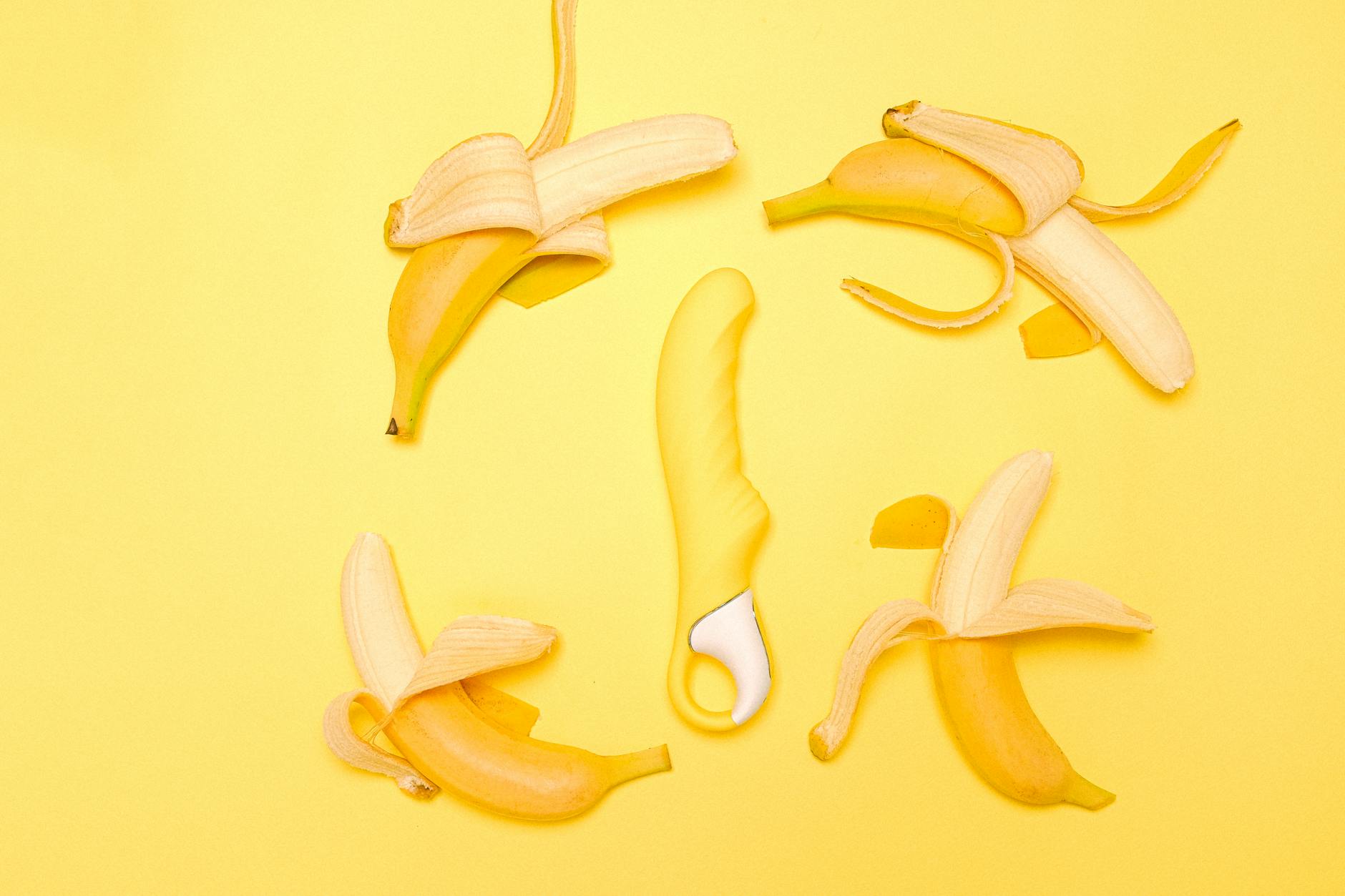
The trade-off nobody warns you about
Let's be real: SSRIs saved your mental health. They also, for about 40 to 60 percent of people taking them, made orgasms harder or impossible to reach. That's not a small side effect. That's a quality-of-life problem dressed up in medical language.
Here's what happens physiologically. SSRIs increase serotonin by blocking reuptake in your brain. That stabilizes mood. But serotonin also suppresses dopamine in certain neural pathways, and dopamine is what drives sexual motivation and the physical cascade that leads to orgasm. You get mental clarity. Your clitoris gets confused. Both are real, and you shouldn't have to choose between them.
Why standard vibrators often don't cut it
Most vibrators work through direct stimulation. They buzz or pulse against tissue, relying on friction and repetitive input to build arousal and drive orgasm. That strategy works fine when your nervous system is responding normally. When you're on an SSRI, your arousal threshold has shifted upward. The same pattern that used to work now feels like you're chasing something that won't arrive.
Wand vibrators are intense. Bullet vibrators are repetitive. Both can feel either too much or not enough depending on the day. The more you try, the more performative it becomes. That performance anxiety then suppresses arousal even further. It's a spiral.
Lemon clitoral vibrators work differently. They use suction and gentle pulsing instead of direct vibration. That distinction matters when your body needs different kinds of stimulation to respond.
How suction-based lemon vibrators bypass SSRI friction
A lemon vibrator creates rhythmic suction and gentle pressure around the clitoral complex rather than buzzing against it. That suction draws blood flow to tissue and stimulates a wider network of nerve endings, not just the most sensitive point.
Here's why that helps with SSRI side effects specifically.
SSRIs dampen your nervous system's ability to escalate arousal quickly. Your body still has the capacity for pleasure. It just needs a different entry point. Suction-based stimulation like the Lem activates deeper nerve clusters and creates a fullness sensation that feels qualitatively different from vibration. Many people on SSRIs report that this type of stimulation feels more noticeable, more present, easier to build on.
The rhythm of suction also tends to feel less demanding than continuous vibration. You're not trying to outpace your medication. You're working with your nervous system's actual response speed.
The warmth-up phase you actually need
On SSRIs, arousal takes longer. Not a little. Sometimes double or triple the time. Most people then panic and assume something's broken. Nothing's broken. The timeline just changed.
Lemon clitoral vibrators work particularly well for extended warm-up because they don't fatigue tissue the way intense vibrators do. You can use them for 20, 30, even 45 minutes without feeling overstimulated or numb. That extended runway gives your nervous system time to build toward response.
Start at the lowest suction setting (usually 1 or 2 on the Lem). Build rhythm and pressure slowly over 15 to 20 minutes. Then shift to slightly higher settings. The gradual escalation often triggers the arousal cascade that SSRIs suppress when you try to rush it.
Budget time without expectation. That's the hardest part for people who are used to faster responses. But it's also where the shift happens.
Why pattern variety matters more than intensity
SSRI-affected pleasure often responds better to rhythm changes than to increased power. A Lem vibrator offers multiple suction and pulse patterns. The variety keeps your nervous system engaged instead of habituating to one repetitive input.
Rotate through patterns every few minutes during your session. Try a steady rhythm for five minutes, then switch to a pulsing pattern, then back. This pattern-switching keeps your body guessing and engaged. It also prevents the numb-out feeling that can happen when one input repeats too long.
Intensity isn't the lever here. Novelty is.
Partner sex and the medication conversation
If you're with a partner, they probably know your arousal timeline changed. They might blame themselves or feel rejected. They might not understand that the issue is neurochemistry, not them.
Having a Lem vibrator as part of partnered sex actually solves two problems. First, it gives direct stimulation that works despite medication. Second, it takes performance pressure off both of you. Your partner isn't trying to last long enough or do the right thing. Everyone's just building together.
Many people on SSRIs find that lemon clitoral vibrators allow them to orgasm during partnered sex in ways they couldn't otherwise. That often restores emotional intimacy that medication-related dysfunction had eroded.
When to talk to your prescriber
If you're considering a lemon vibrator to work around SSRI side effects, you don't need your doctor's permission. You do need to know that talking to your prescriber is always an option.
Some doctors will suggest timing. Taking your SSRI a few hours after sex rather than before can sometimes reduce sexual side effects without compromising mood stability. Other doctors might suggest switching to a different SSRI that has a lower sexual dysfunction rate. That's a real conversation worth having.
What's not worth doing: stopping your medication to restore pleasure. Your mental health comes first. Finding tools that let you have both medication and pleasure is the goal.
The dopamine reset that happens over time
Here's the hopeful part. For many people, using a lemon vibrator consistently eventually rewires some of that dopamine response. After a few weeks of successful, pleasurable sessions with a Lem, your nervous system starts to anticipate pleasure again. Desire begins to rebuild.
This isn't magic. It's reconditioning. Your brain learns that pleasure is possible, even on medication. That learning usually transfers back to partnered sex and spontaneous arousal too.
Start with no expectations. Keep using it. Notice what shifts.
People also ask
Can you use a Lem vibrator while taking SSRIs?
Completely. There are no chemical interactions. SSRIs are brain-based medications, not hormonal. A lemon vibrator is a mechanical device. The combination is safe and often effective. What you're doing is using a different type of stimulation to work around the arousal threshold that medication creates. Many people find lemon clitoral vibrators the most reliable tool for reaching orgasm while on SSRIs because suction-based stimulation bypasses some of the pathways that SSRIs affect.
Why do lemon vibrators feel less intense than wand vibrators on antidepressants?
Lemon vibrators feel less intense because they're not meant to be intense. They work through suction and pulsing rather than direct high-frequency vibration. On SSRIs, that gentler approach is often more effective because it doesn't overwhelm a nervous system that's already dampened. A wand vibrator's high intensity can feel numbing or even irritating. Lemon clitoral vibrators invite arousal rather than demand it. That invitation is usually what SSRI-affected bodies respond to.
How long does it take to orgasm with a Lem vibrator on medication?
It depends on how long you've been on the medication and your body's individual response. Most people report that their first orgasm with a lemon vibrator takes 15 to 30 minutes. That's longer than before medication, but much faster than the frustration of trying standard vibrators for an hour. Over time and with regular use, orgasm often comes faster. Your nervous system learns that this type of stimulation works, and the response time improves. Patience in those early sessions usually pays off within weeks.
Does a lemon sucker vibrator work better for SSRI side effects than regular vibrators?
For most people on SSRIs, yes. The suction mechanism creates a different type of stimulation that often feels more noticeable and easier to build on than vibration. That said, bodies are individual. Some people on SSRIs respond fine to traditional vibrators. The reason to try a lemon clitoral vibrator is if you've been struggling with standard toys. The suction-based approach offers something genuinely different, and that difference is often what breaks through medication-related arousal barriers.
Should I tell my partner about using a lemon vibrator for SSRI side effects?
If you're in a partnered relationship, honesty helps. You don't need to make it clinical. Something like "My medication makes it harder to orgasm, and I found that a clitoral vibrator really helps. Want to use it together?" opens a conversation instead of creating secrecy. Most partners feel relieved to have a tool that works. It takes pressure off both of you. Some partners will want to use it with you. Some will just be glad you found something that works. Either way, transparency usually deepens connection rather than threatening it.
Can lemon vibrators help with low libido caused by SSRIs?
Partially. Lemon clitoral vibrators can help you reach orgasm more reliably, and reliable orgasms often improve desire over time. That's the reconditioning effect. However, if your primary issue is that you don't want sex at all (not that you want it but can't reach orgasm), talking to your doctor about medication timing, dosage, or switching to a different SSRI is worth doing first. A lemon vibrator is excellent for restoring physical pleasure. It's less effective for restoring spontaneous sexual desire if medication has completely suppressed it. The two problems sometimes need different solutions.