How Lemon Vibrators Improve Clitoral Sensation in Desensitized Bodies
Let's be real. You might have spent years relying on one type of vibrator, and now nothing feels like much of anything. Or maybe your body changed after pregnancy, menopause, or medications that dulled sensation. Or you're recovering from sexual trauma and your clitoris has gone quiet. Whatever the reason, desensitization is real, it's frustrating, and it's more common than most people talk about.
Here's the thing: a lemon vibrator works differently than traditional vibrators, and that difference can genuinely wake up tissue that's been asleep. I'm not speaking theoretically. People who thought their pleasure days were behind them have rebuilt sensation using suction-based stimulation. It's not magic. It's physiology.
Why your clitoris goes numb
Desensitization happens for three main reasons. First, repetitive stimulation with the same tool at the same intensity fatigues nerve endings. Your body adapts. It's called habituation, and it's the same reason that favorite song stops hitting after you've heard it 200 times. Second, life happens. Hormonal shifts, medications like SSRIs, illness, injury, or trauma can all dampen sensation in your clitoris and vulva. Third, friction fatigue is real. Years of the same buzz pattern or vibration setting can actually irritate tissue and make it less responsive over time.
When tissue becomes desensitized, it needs a different kind of signal to wake up. Traditional vibrators send a constant, predictable pattern. Your nerves have learned to ignore it. That's where lemon vibrators change the game.
How suction resets neural response
A lemon clitoral vibrator uses air-pulse suction instead of vibration. This creates a completely different sensation pattern that your nervous system hasn't adapted to yet. Instead of a steady buzz, suction creates rhythmic waves of pressure and release. That pattern is novel to your tissue. Your nerve endings pay attention again.
What makes this even more effective: suction stimulates the internal structure of the clitoris, not just the surface. Your clitoris isn't just the tiny external button you see. It's a complex organ that extends internally in a wishbone shape. Traditional vibrators mostly stimulate the glans (the external tip). A lemon vibrator's suction pulls blood into that entire structure, awakening nerve endings throughout the organ. People report sensation that feels deeper, fuller, and more alive than they've felt in years.

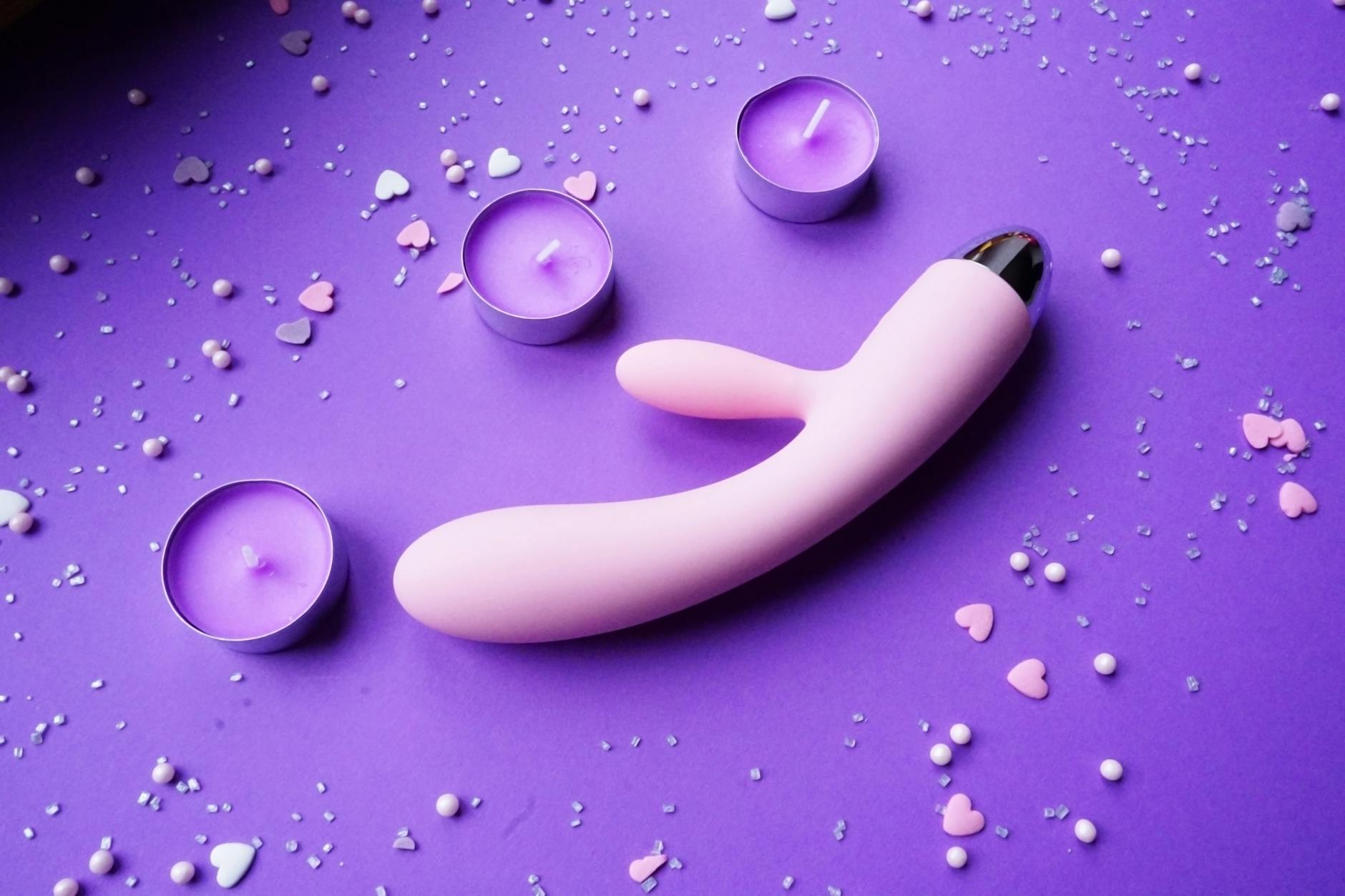
Photo by Anna Shvets on Pexels
The intensity paradox
Here's something counterintuitive: restoring sensation often requires starting at lower intensity, not higher. When tissue is numb, the instinct is to dial everything up to maximum. But that backfires. Overworked tissue gets more irritated, more withdrawn. It's like yelling at someone who can't hear you. Not helpful.
With a lemon vibrator, start at the lowest setting. Seriously. Levels 1 or 2. Spend 10-15 minutes exploring just that gentle pulse. Your tissue is relearning how to respond. It needs time. Many people report that after two or three sessions at low intensity, sensation starts returning. Numbness that's been there for months begins to shift. That's not placebo. That's your nervous system recognizing a new stimulus pattern and re-engaging.
Sensation mapping and curiosity
When you've been desensitized, exploration becomes the real tool. Use the lemon vibrator to map your clitoris like you're discovering it for the first time. Try different angles. Notice which parts respond first. Some people find the left side wakes up before the right. Some find the internal structure (pressing gently into the tissue beneath the surface) sparks sensation long before the tip does.
Write down what you notice. Not clinical notes, just observations. "Felt something near the 4 o'clock angle on day three." "Level 2 gave me tingles, level 3 went numb again." That data helps you understand what your specific tissue needs. And the curiosity itself rewires the experience. You're no longer chasing the orgasm you used to have. You're investigating the sensation available to you right now. That shift in mindset is half the battle.
Timing and the recovery window
Your tissue has a window when it's most responsive. For many people, that's early morning or early evening when stress cortisol is lower and blood flow is easier. Some find that a few minutes of non-genital touch first (neck, breasts, inner thighs) primes the system. Others need complete privacy and low stimulation elsewhere. Experiment. Track what seems to correlate with the best sensation.
Also consider frequency. If you've been relying on vibrators daily, your tissue might benefit from a rest day or two per week initially. That sounds backwards when you're trying to restore sensation, but it allows your nervous system to reset between sessions. You're not depriving yourself. You're allowing adaptation.
The psychological piece matters
Desensitization is rarely just physical. If your numbness came alongside grief, body image issues, relationship rupture, or trauma, your brain is also protecting you. A lemon vibrator can address the physical part, but the story you're telling yourself about your body also needs attention. If you believe "my pleasure is broken," your nervous system will help maintain that belief. If you shift to "my body is learning something new," sensation often follows.
This is where working with a therapist trained in somatic practice or sex therapy can really help. You don't have to. Some people restore sensation through the vibrator work alone. But if you've hit a plateau, talking to someone who understands the intersection of trauma, belief, and sensation can accelerate things.
Lubrication and comfort
Desensitized tissue is often drier tissue. Always use a water-based lubricant with your lemon vibrator. Not because you're broken, but because friction is the enemy when you're rebuilding. The lube also lets you glide the toy around, which helps you explore more surface area and find the spots that respond.
If your desensitization came with dryness that's really severe, topical estrogen cream (available from your doctor) can help restore tissue health alongside the vibrator work. They work together. The cream rebuilds tissue integrity. The vibrator wakes up the nerve endings in that healthier tissue.
When to expect shifts
Most people notice something within the first three to five sessions. Not necessarily an orgasm, but a change. A tingle. A warmth. A sense of "oh, there you are." That's your system saying it's paying attention again. Some people take two to four weeks to feel significant shifts. A few take longer. The timeline depends on how long the desensitization has been present and what caused it.
Don't aim for orgasm as the metric. Sensation restoration is the metric. An orgasm might come later. Right now, the goal is to wake up the nerves and rebuild responsiveness. That matters more than reaching climax.
Using lemon vibrators after medication changes
If your desensitization came from an SSRI, mood stabilizer, or other medication, talk to your prescriber about whether adjusting timing or dose is possible. Sometimes taking your dose at night instead of morning helps. Sometimes a slight adjustment helps. Don't change anything on your own, but it's worth discussing.
In the meantime, a lemon vibrator's unique sensation pattern sometimes bypasses the numbing effect better than what you were using before. The novelty of suction stimulation can activate pleasure responses even when other things feel muted. This isn't a cure for medication side effects, but it can be a real workaround.
Building sensation back into partnership
If you're working with a partner, involve them in the curiosity process. Let them see the sensation mapping. "Try this angle, tell me if you feel it differently." Their presence and attention can actually accelerate the rewiring process. There's something about being witnessed in vulnerability that helps the nervous system relax into healing.
Don't make it a performance. "Figure out how to make me come" puts all the pressure on them and backfires. Instead: "I'm learning what my body responds to. Want to explore with me?" That's a team sport. And many partners find it genuinely hot to be part of rebuilding pleasure together.
Patience as the real tool
Desensitization didn't happen overnight, and restoring sensation won't either. Your clitoris isn't broken. It's not punishing you. It's doing exactly what nervous systems do when they adapt to repetition or trauma or change. A lemon vibrator gives you a different stimulus pattern, which is genuinely helpful. But patience, curiosity, and permission to feel whatever you feel right now are the real drivers of change.
Your pleasure matters. Your sensations matter. And a tool designed to work differently than what your body has already adapted to can be exactly what you need to remember why.
People Also Ask
How long does it take for a lemon vibrator to restore clitoral sensation?
Most people notice some shift within three to five sessions. Real, noticeable sensation change often appears within two to four weeks of regular use. How long desensitization has been present matters. If your clitoris has been numb for months, expect a slightly longer timeline than if it's been weeks. Patience helps.
Can a lemon vibrator help if I'm on antidepressants that numb sensation?
Yes, often. The suction-based stimulus pattern is novel to your nervous system in a way traditional vibrators might not be. That novelty can activate pleasure responses even when other tools feel muted. It's not a cure for medication side effects, but it can be a meaningful workaround. Talk to your prescriber about whether timing adjustments are possible, too.
Why does my desensitized clitoris respond better to suction than vibration?
Because your tissue has adapted to vibration if you've used traditional vibrators for years. Suction creates a completely different sensation pattern. Instead of a steady buzz, it creates rhythmic waves of pressure and release. Your nerves recognize this as new and pay attention again. It's about novelty, not superiority. Another tool might eventually lose efficacy too if used the same way for years.
Is it normal to feel nothing at first with a lemon vibrator if I'm really desensitized?
Completely normal. If your clitoris has been shut down for a long time, it might take a few sessions for your nervous system to register the new stimulus pattern. Start at the lowest intensity. Spend time exploring without expecting sensation. That paradoxical approach often works better than pushing for feeling right away. Your tissue needs permission to wake up gradually.
Can desensitization come back after I've restored sensation?
Yes, if you fall into old patterns. That's why varying your approach matters. Use your lemon vibrator at different intensities, different angles, different durations. Mix it with other sensations. Give yourself rest days. Think of it like fitness. Your muscles adapt if you do the same workout forever. Variation keeps them responsive. Same logic with pleasure.
What's the difference between using a lemon clitoral vibrator and a wand vibrator for desensitization?
Wand vibrators send broad, powerful vibration over a larger surface area. They're excellent for general stimulation but sometimes harder to control when you're rebuilding sensitivity. A lemon vibrator's suction is more targeted and creates a completely different sensation pattern that your adapted tissue hasn't learned to tune out. Neither is "better." They're different tools for different needs. If you've relied on wands and feel numb, switching to a lemon vibrator often helps because it's truly novel to your system.
The next step
If you're dealing with desensitization that's tied to relationship disconnection or deeper trauma, talking to someone trained in somatic practice or sex therapy can help accelerate the process. Your pleasure isn't broken. Your body is responding exactly as bodies do. A lemon vibrator gives you a new stimulus pattern. The rest is curiosity, patience, and permission to feel whatever shows up.
Ready to explore this differently? Contact us if you have questions about which Hello Nancy tool might work best for your specific situation.