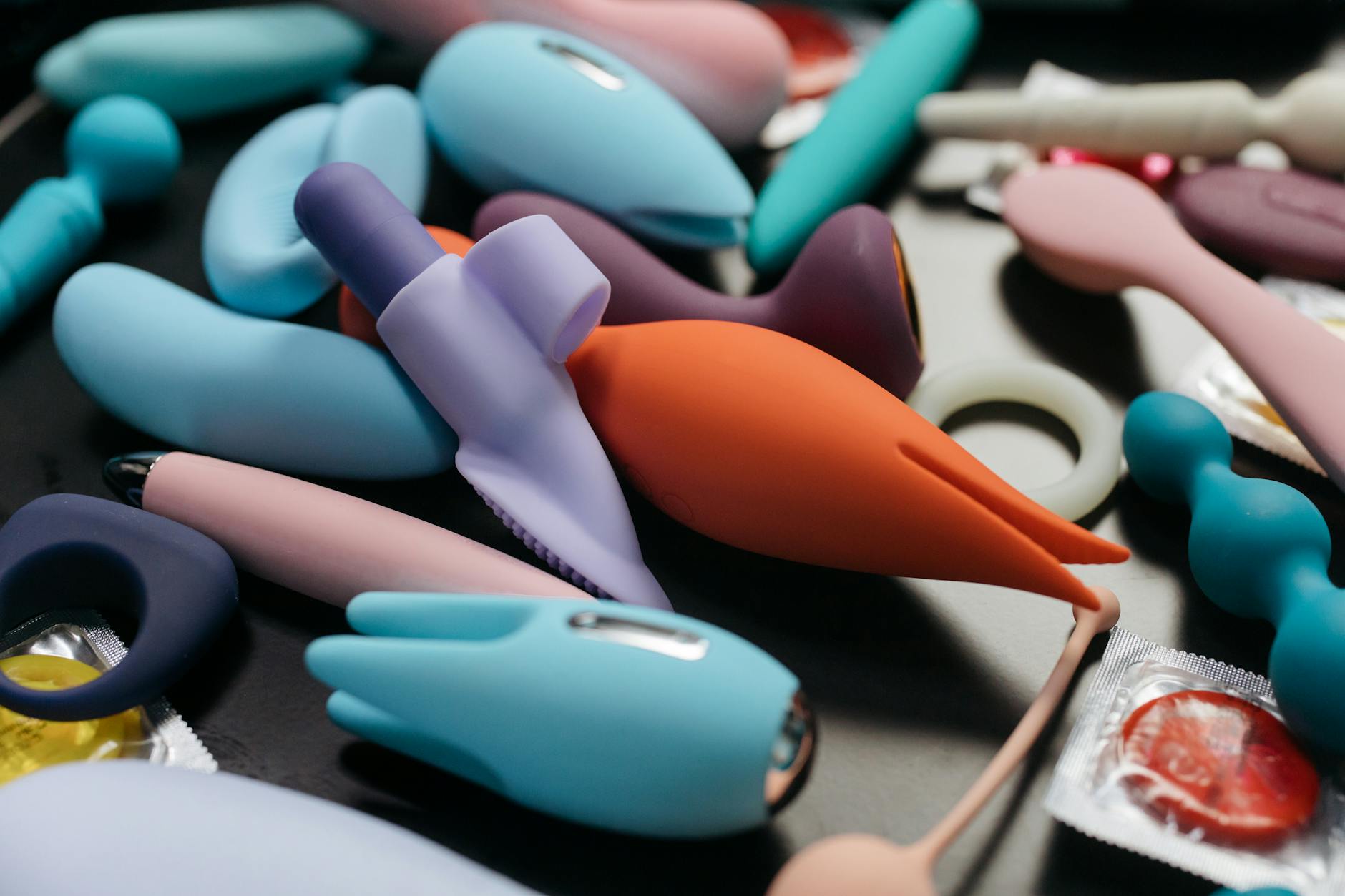
Let's start with the obvious problem
One of you is ready to go. The other needs time. This mismatch doesn't mean anything is broken between you. It just means your bodies have different operating systems, and trying to sync them on a traditional timeline creates tension that kills the actual moment.
Here's what usually happens: the faster partner waits (and resents waiting, even if they don't say it). The slower partner feels rushed and shuts down. Nobody wins. Both of you end up checking your phones mentally, and the whole thing becomes another chore on the calendar.
Lemon clitoral vibrators fundamentally change this dynamic because they work independently of arousal synchronization. They let both partners build pleasure on their own timeline without creating a performance gap.
Why arousal timelines don't match (and that's totally normal)
Your nervous systems are wired differently. Period. This isn't about effort or attraction. Some brains ramp up arousal quickly through visual or mental stimulation. Others need physical touch, time to relax, and a gradual climb. Add in hormones, stress from the day, medications, or just the way your particular body was built, and you've got partners who genuinely need different pacing.
The problem isn't the difference itself. It's forcing both people into a single pathway. If one partner needs 25 minutes and the other needs five, the options feel limited: either one person feels bored, or the other feels rushed. Neither builds real pleasure. Both build resentment.
Lemon vibrators reframe this entirely. Instead of trying to sync two different arousal curves onto one timeline, they let each partner self-generate pleasure simultaneously. You're not waiting. You're not rushing. You're just both doing what your bodies actually need.
How suction technology bridges the gap
Traditional vibrators can feel intense immediately. That's useful if you're already halfway there, but if you're still in the warm-up phase, intense stimulation can actually push you backward. It's overstimulation before you've built the foundation for it.
Lemon clitoral vibrators use air-suction technology, which creates a different sensation arc. Early patterns feel subtle. The sensation builds gradually. You can stay with your own arousal curve instead of fighting against a device that's already at full intensity.
This matters hugely when partners have different timelines. The faster partner can use a lemon vibrator at low patterns and actually feel the gradual build rather than just pushing through to the end. The slower partner isn't being bombarded. Both of you are experiencing an actual ascending curve of pleasure that matches when you're actually ready.
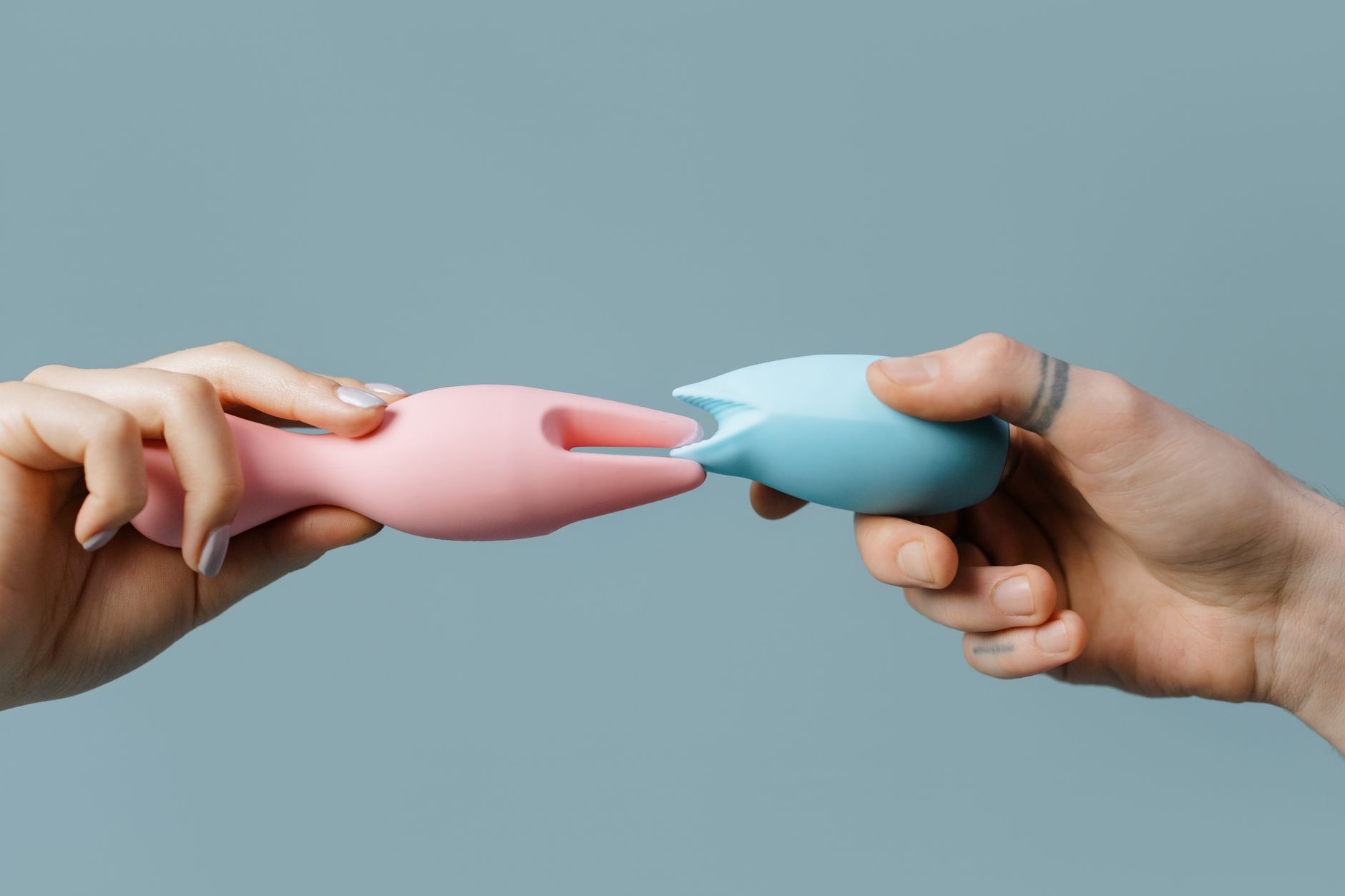
Photo by cottonbro studio on Pexels
The psychological shift that actually matters
When both partners can self-direct their pleasure, the whole emotional landscape changes. You're not performing. You're not watching the clock. You're not unconsciously tensing because you feel like you're taking too long.
Sex therapists call this "removing performance pressure," and it's one of the highest-impact interventions for couples with arousal timeline mismatches. When your brain stops narrating ("Am I going too fast? Am I too slow?"), your body actually responds better. That's not psychology. That's neurobiology.
A lemon vibrator lets both partners opt out of the audience role. You're both protagonists with your own storyline. You can maintain eye contact or connection while also focusing on your own sensation. You can take whatever time you actually need without it becoming A Thing.
Practical setup for partners with different timelines
If you're trying this angle, here are the mechanics that actually work.
Establish pre-sex alone time. The slower partner can spend 10 minutes alone with a lemon vibrator, getting their arousal to a solid baseline. No pressure, no timing, just their own rhythm. Then you come together already partially warmed up. Both of you get time. Neither of you feels watched.
Use a lemon vibrator in tandem. If one partner wants deeper penetration and the other wants clitoral focus, a lem vibrator lets the clitoral partner self-stimulate during partnered sex. You're not dependent on your partner's pace for your own pleasure. You're building together but independently.
Communicate the timeline, not the problem. Instead of "I need more time," try "I want to build slower." Instead of "You take forever," try "I warm up faster and I want to stay with you." Language matters. Reframing it as different timelines instead of different desire levels removes the shame.
Take turns setting the pace. One session, the faster partner sets the pace and the slower partner uses a lemon vibrator to catch up. Next time, the slower partner leads and the faster partner plays with longer warm-up because they're not rushing. You're trading who's setting expectations.
When lemon vibrators solve problems other toys don't
Wand vibrators can feel too intense for early-stage arousal. They're all-or-nothing devices. Penetrative toys require a level of engagement your slower-warming partner might not be ready for yet. Internal vibrators skip the clitoral engagement that often matters most in the early phase.
Lemon clitoral vibrators occupy a specific sweet spot: they're powerful enough to build real sensation but nuanced enough to meet you where you actually are. You can keep one on pattern 1 for 15 minutes during foreplay and genuinely feel like something's building. You're not white-knuckling through to get to the "real" part.
For partners with mismatched arousal timelines, this is the difference between sex that feels like you're both on the same journey versus sex where one person is waiting for the other to catch up.
What the research actually says
Couples therapy data consistently shows that one of the biggest predictors of sexual satisfaction isn't frequency or technique. It's whether both partners feel like their arousal pattern is respected. When one partner's timeline is treated as "the problem," resentment builds quietly and damages the relationship in ways that have nothing to do with sex.
Studies on couples using external clitoral stimulation devices during partnered sex show increased reported satisfaction and reduced performance anxiety in both partners. The key factor wasn't the device itself. It was that both partners could pursue pleasure without one person's pace dictating the whole interaction.
A lemon vibrator doesn't fix a relationship problem. But it does remove a structural tension that makes relationship problems harder to solve.
The conversation you actually need to have
Before you introduce a lemon vibrator into your dynamic, talk about why. Don't say "I want to make this faster" or "You take too long." Say "I want both of us to feel like our bodies are respected, and I think this might help us both get there."
That's the frame that works. You're not fixing a problem. You're optimizing for mutual pleasure, which is something both partners can genuinely want.
If there's resistance, it's usually because one partner fears the vibrator is a replacement or a judgment. Address that directly. "This isn't about you. It's about both of us having the tools we need to feel good simultaneously."
When both partners understand that different arousal timelines are normal and that a lemon vibrator is just a tool to honor that difference, resistance usually dissolves. You're not fighting your bodies anymore. You're working with them.
How this changes long-term intimacy
Couples who solve the arousal timeline problem early often report that sex remains satisfying for decades. The couples who never address it tend to slowly drift from physical intimacy. Not because attraction fades, but because the process became stressful and nobody wants to volunteer for something that feels tense.
Investing in tools like lemon clitoral vibrators is investing in 20 years of sexual satisfaction. You're not being high-maintenance. You're being realistic about what it takes for two different bodies to meet in genuine pleasure without resentment creeping in.
Your arousal timeline is not a flaw. It's just data. And when you have the right tools to work with that data, sex stops being something you negotiate and starts being something you actually enjoy together.
People also ask
Do lemon vibrators work for all body types and sensitivity levels?
Lem vibrators use adjustable suction patterns, starting at very subtle intensities. If you have high sensitivity, you can stay on lower patterns indefinitely. If you have numbness or reduced sensation, the suction technology often works better than traditional vibration because it stimulates different nerve clusters. Most bodies find a usable pattern between 1 and 5, but the gradual intensity ramp means you're building from a baseline that actually fits your arousal state.
Can we use a lemon vibrator if one partner is significantly more interested in sex than the other?
This is a different problem than timeline mismatch, but a lemon vibrator can still help. If desire discrepancy is the issue, the lower-desire partner can self-stimulate to build genuine arousal rather than "performing" at someone else's pace. That said, if one partner wants sex once a month and the other wants it weekly, a vibrator isn't solving the core issue. You need a deeper conversation about what's driving the desire gap. Consider talking to a relationship therapist or reaching out to us at /contact for resources.
How long does it take to feel a difference when using lemon vibrators as a couple?
Most couples notice a shift in the first few sessions. The performance pressure drops immediately because both people have tools to focus on their own sensation. The real benefit compounds over weeks and months as you both relax into the fact that your timelines don't have to match. After three to four sessions, most partners report that sex feels less like a negotiation.
What if my partner is worried a lemon vibrator means I'm not attracted to them?
This is worth addressing head-on. Say something like: "I'm attracted to you and I want us to both feel good. A lemon vibrator isn't about you. It's about me having the tools to enjoy what we're doing together." Frame it as enhancing what you already have, not replacing anything. If insecurity runs deep, that's a relationship issue separate from the vibrator. Sometimes couples therapy helps clarify that this is normal tool-use, not a sign of anything wrong with the relationship.
Are lemon vibrators better than traditional vibrators for arousal building specifically?
For arousal building in the early phases, yes. Traditional vibrators can feel jarring if you're not already partially aroused. Lemon clitoral vibrators use suction, which creates a more gradual sensation curve that matches actual arousal building. That said, some people prefer traditional vibration once they're already warm. Many couples use both depending on where they are in the cycle.
How do we make lemon vibrators part of partnered sex without it feeling awkward?
Start by using it solo so you're comfortable with it. Then introduce it during foreplay without making it a big production. "I want to use this while we're together" is all you need to say. Keep it matter-of-fact. Awkwardness usually comes from overthinking it. After the first time, it feels normal. If you want more structured guidance, we're here to help at /contact.
Final thought
Partners with different arousal timelines aren't broken. You're just operating on different speeds. The couples who stay sexually connected long-term aren't the ones with perfectly synced bodies. They're the ones who figured out tools and communication that work for their actual rhythms. A lemon vibrator is one of those tools.