How Lemon Vibrators Help With Pleasure Recovery After Taking a Long Break
The gap doesn't erase anything
Let's be real: taking time away from your own pleasure doesn't break you. Years without touch, without intentional solo play, without orgasm—that doesn't rewire your nervous system or make pleasure impossible. It just means you're starting again. And starting again is different from starting for the first time, even if it feels rusty.
Your body hasn't forgotten. But it will need a conversation, not a demand.
Why lemon vibrators work better for pleasure gaps
If you're thinking about restarting after a long break, you've probably imagined a few scenarios. Maybe you reach for whatever vibrator you used years ago. Maybe you assume you need something intense because surely your body has "reset." Both instincts are understandable. Both are usually wrong.
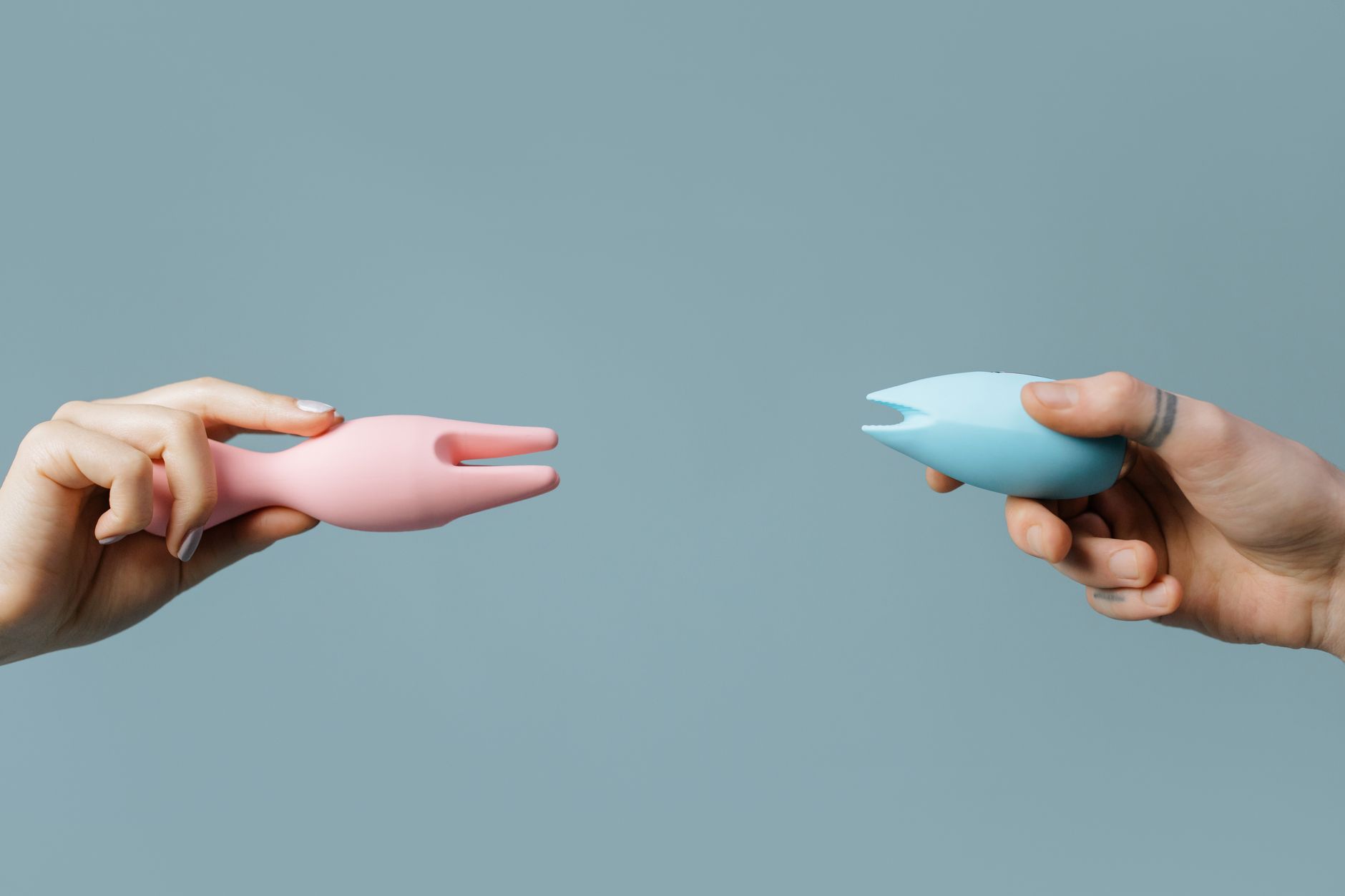
The lemon clitoral vibrator works differently from a traditional vibrator. It uses gentle suction stimulation rather than rapid buzzing. This matters enormously when you're rebuilding. Here's why:
Suction is gentler on tissue that's been dormant. Your clitoral tissue doesn't atrophy from disuse, but it does become less sensitive to direct, jarring stimulation. Suction wakes up nerve endings without the micro-abrasion that comes from friction-based vibration. You get sensation without shock.
The patterns build gradually. A lemon vibrator has intensity settings that let you start at barely-there and work up. You're not choosing between "off" and "intense." You're choosing between soft, medium, and focused. That matters when your arousal system is dusting itself off.
It doesn't require the same mental presence. After a gap, you often feel self-conscious, disconnected, or skeptical. A tool that works with light, pleasure-focused touch—rather than demanding you "perform" with traditional methods—removes that pressure. Your job is to feel. The vibrator handles the mechanics.
What your body actually needs during pleasure recovery
Three things, in order:
First, permission to be slow. You're not rebuilding from damage. You're not making up for lost time. You're simply reacquainting yourself with sensation. That can take two weeks or two months. Both are normal. The moment you add a timeline or a goal ("I should orgasm by week three"), you've switched from pleasure into performance. That's the opposite of what you need.
Second, consistency, not intensity. Daily touch, even five minutes, rewires your nervous system faster than one long session. Your body learns that touch is safe, predictable, and available. You don't need hour-long sessions. You need regular, small moments. A lemon vibrator with a few minutes in the morning or before bed beats infrequent marathon sessions every single time.
Third, zero audience, even in your head. This is just for you. Not for a partner, not to "prove" you still work, not to keep up with anyone else's timeline. Your pleasure was never on anyone else's schedule before the break. It's not now.
The first week: what to expect
Day one, you might feel nothing. That's fine. Your nervous system doesn't flip on like a light switch. You're signaling that you're available for sensation, and sensation is learning to find you again.
By day three or four, you might notice tingling. Mild. Nothing dramatic. That's your body saying hello.
Some people feel slight soreness in the vulva after a few days of regular touch. This is usually not alarming—it's just tissue that's been unstimulated for a while responding to attention. Water-based lubricant helps. So does spacing out sessions (every other day instead of daily) for the first week.
Between days five and ten, arousal typically starts to show up. Not orgasm yet. Just arousal. Blood flow. A sense that your body remembers what this is for.
The second and third weeks: the awkward middle
This is where most people quit, so I'm naming it because you deserve to know it's coming. Weeks two and three can feel like plateau. You've reactivated the early stages of pleasure, but orgasm still feels distant. The lemon vibrator that felt great in week one now feels ordinary. You might wonder if you're "broken" or "numb."
You're not. You're in the middle of a learning curve, and the middle always looks like plateauing.
This is when staying consistent matters most. Keep your five-minute sessions, even though they feel routine. Your nervous system is doing deep work under the surface. Then, sometime between weeks three and four, you'll feel a shift. Your body will respond differently. The same pattern that felt pleasant will start to feel like it's building toward something.
Why orgasm might feel different (and that's okay)
After a long break, your first orgasm back might surprise you. It might be quieter than you remember. Or weirder. Or faster. Or completely different in texture or location. None of this means something's wrong. It means your body has aged, your nervous system has shifted, and your pleasure is meeting you where you are now, not where you were.
If you're using a lemon vibrator, you'll likely notice the sensation is concentrated. Suction-based stimulation tends to feel more localized than the full-vulva buzzing of traditional vibrators. This can actually help when you're restarting—you're not overstimulating. You're focusing the nerve activation, which often makes the sensation clearer and easier to work with.
The role of lubrication (yes, even solo)
After a gap, your body might not produce as much natural lubrication as it once did. This isn't failure. This is just biology. Estrogen, hydration, age, stress—they all play a role.
Water-based lubricant makes an enormous difference during pleasure recovery. It reduces friction, makes sensation feel more even, and removes one barrier to relaxation. Apply it before you start, and reapply as needed. Your clitoris doesn't need much—a dime-sized amount is plenty—but having it there changes the entire experience.
What if you have a partner?
Tell them you're restarting. Tell them it's for you. Tell them the timeline is unknown. Then, ask them not to make it about them. This is not an opening for partnered sex yet. This is not a gift you're unwrapping for them. This is an investment in your own nervous system, in your own agency, in your own body. Once you've rebuilt your relationship with solo pleasure, you can decide what partnered pleasure looks like. Not before.
Many people find that reconnecting with solo pleasure actually improves partnered sex because they're showing up with their own arousal engine running, not waiting for a partner to switch them on. That's powerful.
After four weeks: what changes
By the end of the first month, most people report that touch feels natural again. The self-consciousness has faded. Orgasm might be consistent now, or still occasional. Both are fine. What usually changes is that pleasure stops feeling like a project and starts feeling like a regular part of your life.
This is when you might experiment with different lemon vibrator patterns, different pacing, or different settings. Now that the initial reconnection has happened, you can play with it. Explore it. The pressure is off. The curiosity can begin.
When to see someone
If, after four weeks of consistent practice with a lemon vibrator, you feel no sensation and no arousal building, that's worth checking in with a gynecologist. Pain, burning, or numbness that doesn't improve also warrants professional support. But brief awkwardness, soreness, or slow progress in the first month is just your body waking up.
The real work is permission
Honestly, the hardest part of pleasure recovery after a long break isn't physical. It's mental. It's giving yourself permission to take time, to go slow, to prioritize sensation over outcome. It's believing that your pleasure matters even when no one's watching. It's deciding that ten minutes alone with yourself is as valid as anything else on your to-do list.
A lemon clitoral vibrator is a tool. The real work is the permission.
People also ask
How long does it take to restart pleasure after years away?
Most people feel a shift between weeks three and four, but the timeline varies. Some people take two weeks to feel comfortable. Others take three months. Your history, your stress level, your partner situation, and your body's unique responses all matter. Instead of asking "how long?", ask "what's changing week to week?" That's a more useful measure. If you're noticing any shift—tingling, arousal, different sensations—you're on the right track. If nothing's changing after six weeks, that's when talking to a sex therapist or gynecologist makes sense.
Is it normal to feel numb during pleasure recovery?
Absolutely. Numbness is one of the most common early responses, especially if your break was longer than a few months. Your nervous system has literally downregulated sensory input. You're asking it to turn that back on. This takes time. Most people's sensation returns within four to six weeks of consistent, gentle stimulation. A lemon vibrator's suction-based approach often helps because it stimulates a wider range of nerve pathways than direct friction. If numbness persists beyond six weeks, mention it to your doctor.
Can I use a partner's hands instead of a vibrator during recovery?
Yes, absolutely. The lemon vibrator isn't mandatory; it's just particularly good for this phase because of its gentleness and the way suction wakes up sensation. If you have a partner who's willing to take things very slowly, focusing on light touch and patience, that works. The difference is that a vibrator is consistent and doesn't get tired. A partner's hand might tire before your nervous system is fully ready. So if you're going the partner route, you might need more sessions or longer sessions. Solo touch with a lemon vibrator is usually more efficient during this phase.
What if I don't orgasm in the first month? Is something wrong?
No. Orgasm is the last thing to come back, not the first. If you're feeling arousal, tingling, increased sensitivity, or just a general sense that your body is waking up, you're making progress. Orgasm happens when your nervous system trusts enough to fully let go. That trust is built over time. Some people orgasm in week two. Others don't until week six or eight. Both are normal. The moment you start pushing for orgasm as a goal, you usually delay it. Stay patient with your body.
Should I use different lemon vibrator settings each time, or stick with one?
Stick with one setting for at least the first week. Let your body acclimate to that specific sensation. Once sensation feels stable and pleasurable, you can experiment with other patterns. This gives your nervous system a consistent signal to work with. Think of it like learning a language—you don't jump between grammar rules. You master one structure, then build from there. A lemon vibrator's gentle lower settings are usually where you start, then you can explore medium or pulse patterns as your body responds.
Is there a best time of day to restart pleasure practice?
Yes: whenever you're least likely to be interrupted and most able to relax. For most people, that's morning or late evening. Mornings often work well because your nervous system is less activated by stress. Evenings work if you're not exhausted. Avoid times when you're anxious, rushed, or distracted. Your brain needs to be available for sensation, even if just barely. Consistency of timing matters more than the time itself. If you pick Tuesday and Thursday mornings, your body learns to expect that window and actually primes itself. That regularity accelerates the process.
Restarting your pleasure after a long break isn't about intensity or performance. It's about reconnection. It's about telling your body that you're safe again, that sensation matters, that you deserve to feel good. A lemon vibrator is one of the gentlest ways to have that conversation because it meets you where you are instead of demanding you meet it where you used to be. Give yourself four weeks of patient, consistent attention, and watch what becomes possible.