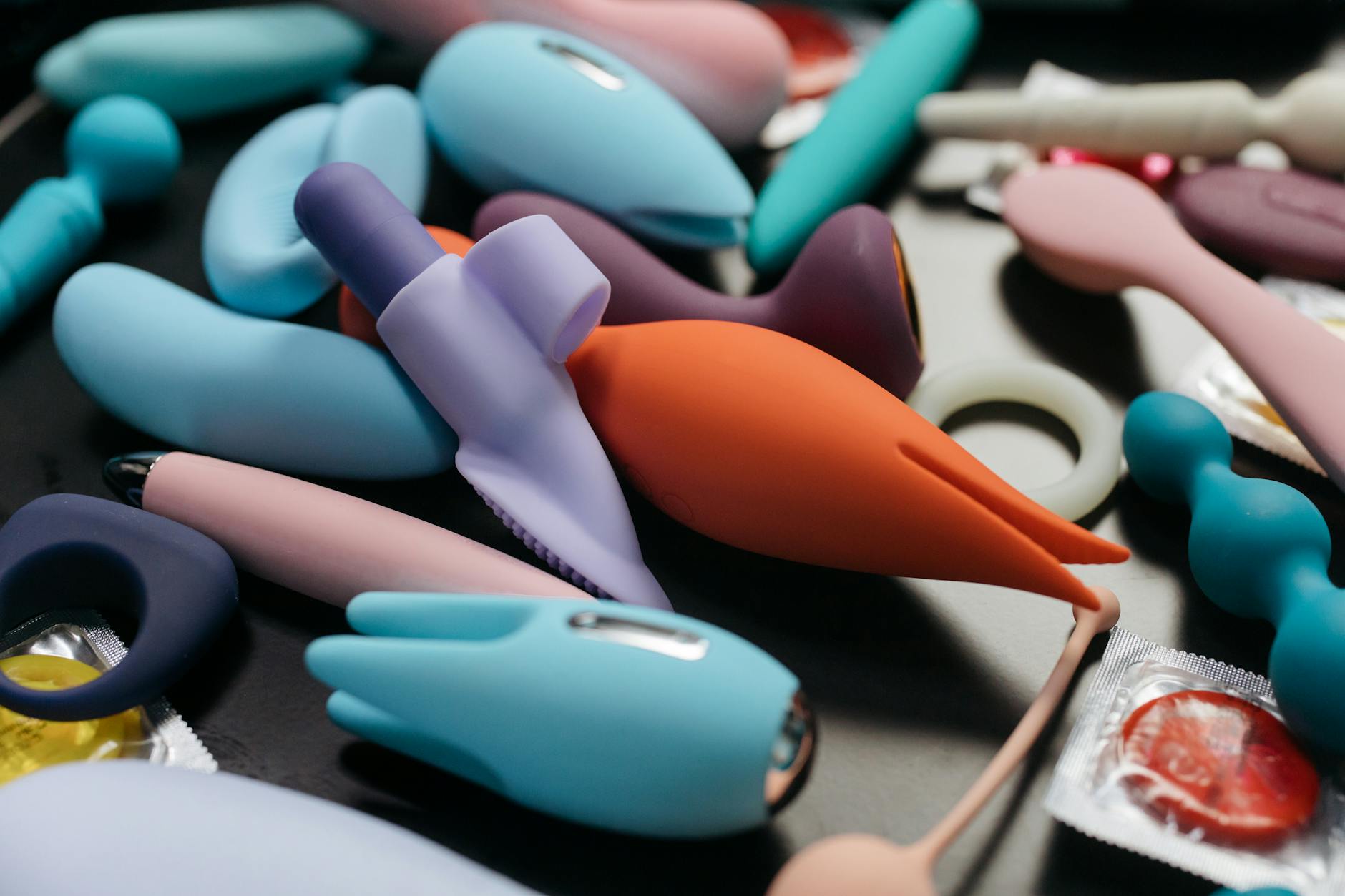
How Lemon Vibrators Can Strengthen Relationships After Emotional Distance
Let's be real. When emotional distance creeps into a relationship, the physical stuff often dies first. Not always because desire is gone, but because the pathway to that desire gets clouded. Resentment, unspoken hurt, exhaustion, and disconnection all live in that space. The bedroom becomes another place where things feel performative or tense.
What I see in my practice is that couples don't need to fall back in love all at once. They need to rebuild the conversation around pleasure. And sometimes that conversation needs a tool that feels fresh, shame-free, and gives both partners permission to show up differently.
That's where lemon vibrators come in. Not as a quick fix. As a bridge.
The disconnect is rarely about desire itself
When couples stop having sex, the narrative usually goes: "We've grown apart" or "I'm just not attracted anymore." Sometimes that's true. But in my experience, it's more often that the intimacy got tangled up with something else. A partner felt unseen. Communication broke. Someone stopped asking what the other person actually wanted. Sex became obligation instead of play.
Emotional distance is a wall you build slowly, brick by brick. And you dismantle it the same way.
Here's the thing though: you can't talk your way back into physical intimacy. You have to practice your way back into it. And practice works best when there's novelty, permission, and zero judgment.
A lemon clitoral vibrator introduces all three. It says: "We're trying something new. Together. No history attached."
How lemon vibrators create permission to try again
When couples have been distant, there's often an unspoken fear attached to sex: fear of rejection, fear of being judged, fear of doing it wrong. The familiar patterns feel safer than trying something that might fail.
A new tool changes the equation. You're not rehashing the same experience that felt disconnected. You're entering something that neither of you has a history with. That matters psychologically.
Lemon adult toys are designed for extended, gentler stimulation. Unlike traditional vibrators that can feel clinical or intense, the suction-based design of the Lem offers a different sensation profile. For a partner who's been hesitant or has performance anxiety, that difference is healing. It's permission to stop performing and start feeling.
When you introduce a lemon sucker into the bedroom with a partner you've been distant from, you're also introducing a conversation. "I want to try this. I want to feel good. I want us to explore together." That statement is an act of vulnerability. And vulnerability is the antidote to emotional distance.
Rebuilding communication through pleasure
One of the patterns I see in emotionally distant couples is that they've stopped asking each other what they want. Sex becomes something that happens to you, not something you participate in. Over time, you stop knowing what the other person enjoys. And you stop trusting that they care what you enjoy.
Introducing a lemon vibrator into your routine forces a new kind of conversation. Does this feel good? Do you want more? What do you want me to do? These questions seem small, but they're massive. They're the infrastructure of intimacy.
If you're using a lem vibrator with a partner, you have to talk about sensation. You have to notice each other's responses. You have to stay present instead of checking out. That presence is what emotional distance erodes. Rebuilding it, one conversation at a time, is how you fix the foundation.
The nervous system reset that pleasure provides
Here's something most people don't understand about emotional distance: it lives in your nervous system. When you've been hurt or disconnected from a partner, your body learns to protect itself. It doesn't relax around them. That tension gets baked into your physical responses.
Pleasure is one of the most powerful nervous system resets available to you. When you allow yourself to feel good with a partner present, you're teaching your body that it's safe to be vulnerable with them again.
Lemon clitoral vibrators are particularly good for this because the sensation they provide is intense without being jarring. You can build pleasure slowly. You can stay in control. That sense of agency matters when you're rebuilding trust. You're not surrendering to sensation. You're choosing it, moment by moment, with your partner witnessing and supporting that choice.
When to use them and when to talk instead
Here's the boundary I always emphasize: a lemon vibrator can be a tool for reconnection, but it's not a substitute for hard conversations.
If the emotional distance came from infidelity, you need therapy before you need a toy. If there's ongoing disrespect or contempt, pleasure isn't going to fix that. If one partner feels completely checked out, you're starting in the wrong place.
But if the distance came from drift. From taking each other for granted. From the daily grind eroding your connection. From fear of being vulnerable. From both of you being unsure how to ask for what you want. Then yes. A new clitoral vibrator can be the beginning of finding your way back.
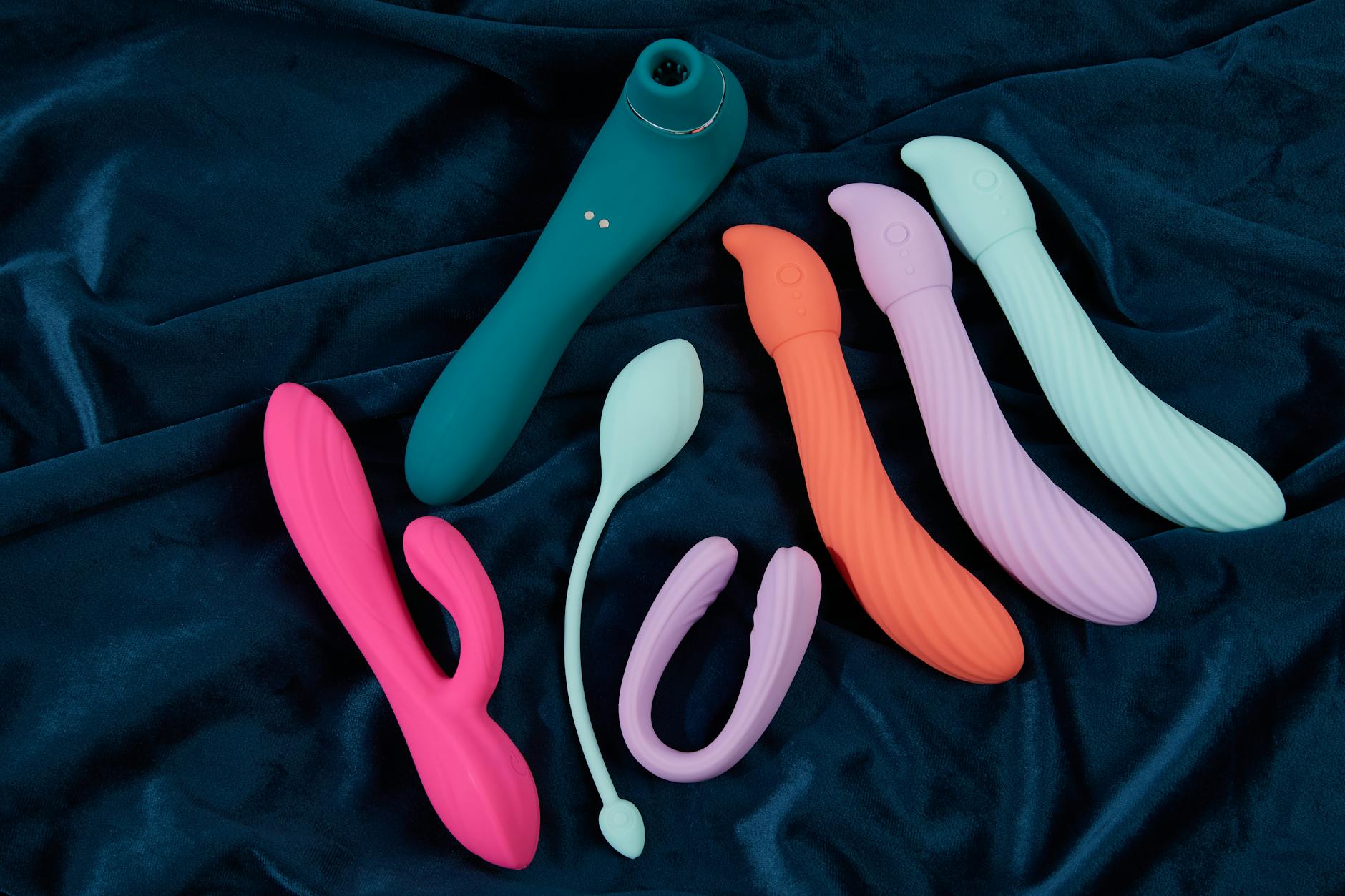
Photo by IFONNX Toys on Pexels
The practical conversation with your partner
If you're thinking about introducing a lemon vibrator into a disconnected relationship, here's how to actually do it without making things awkward.
Don't spring it as a surprise. That defeats the whole point. Instead, have a real conversation. Suggest it as something you both might enjoy. Frame it as curiosity, not criticism. "I've been reading about lemon vibrators. I think it might feel different than what we've done before. Would you be open to trying it together?"
If they say no, that's information. It might mean they're not ready. It might mean they have concerns about their own pleasure that need addressing. Listen to that. The goal is reconnection, not coercion.
If they say yes, talk about what you each want beforehand. Do you want to use it during solo play while your partner watches? During partnered sex? Do you want one partner to control it, or does each person get a turn? These logistics sound unsexy until you realize they're actually the framework for communication.
And here's the thing: you might try it once and it doesn't click. That's fine. The point wasn't the toy. The point was showing up together, being willing to try, and creating space for pleasure to be part of your connection again.
When lemon vibrators actually strengthen the bond
I had a client once describe using a new clitoral vibrator with her partner after two years of barely touching. She said: "It wasn't about the toy. It was that for the first time in years, we were both focused on the same thing at the same time, in the same room, and it felt good." That's the real work. Presence. Attention. Pleasure as a shared experience instead of something that got lost along the way.
Lemon sexual toys work for reconnection precisely because they're new. There's no baggage attached. There's no script you've failed to follow. You're both discovering something together. And discovery, by definition, requires presence.
FAQ: Reconnection and lemon vibrators
Q: Will using a vibrator make my partner feel inadequate?
A: Only if you frame it that way. If you position it as "you're not enough," yeah, that's going to sting. But if you frame it as "I want to explore pleasure together," it becomes collaborative. Many partners actually enjoy watching or participating. The key is making it a joint decision, not a unilateral choice.
Q: How do I know if my relationship is too damaged for this to help?
A: If there's active contempt, infidelity that hasn't been processed, or one partner has completely checked out emotionally, a vibrator won't fix that. You need therapy first. But if you're both willing to try and the distance came from drift rather than betrayal, you're in the right space.
Q: Should I use a lemon vibrator solo first before introducing it with my partner?
A: Absolutely. Understanding how it feels on your own body removes the pressure of discovering sensation for the first time while someone's watching. Plus, you'll know what sensations you actually enjoy, which makes the partnered conversation way easier.
Q: Is there a best way to bring this up without it feeling clinical?
A: Keep it simple and honest. "I've been thinking about our intimacy and I want us to reconnect. I found this lemon vibrator that I think could be fun. Would you be open to trying it?" Short, vulnerable, no over-explanation. Over-explaining usually signals shame, and that kills the vibe before you start.
Q: What if we try it and nothing changes?
A: Then you have more information. You know that physical reconnection alone isn't enough, which means you probably need to address the emotional piece more directly. Consider couples therapy. Sometimes the relationship is worth rebuilding. Sometimes it's not. But at least you'll know.
Q: Can lemon vibrators actually fix a struggling relationship?
A: No toy can fix a relationship. But pleasure, presence, and vulnerability can shift the dynamic. A lemon clitoral vibrator is a tool for rebuilding those three things. It's not the solution. It's a stepping stone.
The path forward
Emotional distance didn't happen overnight, and it won't heal overnight either. But reconnection often starts smaller than you think. It starts with willingness. With showing up differently. With creating a space where pleasure and presence are possible again.
A lemon vibrator can't heal what needs talking through. But it can create the conditions for talking to happen. It can remind you both that you deserve to feel good. And sometimes, when you're stuck, that reminder is enough to change direction.
If you're thinking about this step, trust that impulse. Your body knows what it needs, and usually, what it needs is to feel seen, safe, and good again with the person you chose.